Privacy fins are changing the game in modern architecture. They do more than one thing at once. Adding architectural fins to your designs makes your projects better in both looks and function.
The construction world sees privacy fins as a big deal. They solve big problems in building projects today. With the right placement, your building can save energy, keep occupants comfy, and look amazing.
Privacy fins are great for any building, big or small. They block sun, cut down glare, and make a statement. By using them, you’ll see better results and your property will be more attractive.
Modern architecture needs solutions that do it all. Privacy fins fit the bill perfectly. This guide will show you why top architects and builders in the U.S. make them a must-have in their projects.
Key Takeaways
- Privacy fins enhance energy efficiency by controlling solar heat gain and reducing cooling costs
- Architectural fins improve visual appeal and create distinctive building character through depth and dimension
- Modern privacy fin systems offer superior durability and weather resistance for long-term performance
- Installation costs run lower than traditional facade systems while requiring minimal maintenance
- Privacy fins reduce glare and improve occupant comfort in offices and residential spaces
- These building design elements support sustainable construction practices and environmental responsibility
- Architectural fins integrate seamlessly with ventilation and louver systems for maximum functionality
What Privacy Fins Are and Why They Matter in Contemporary Construction
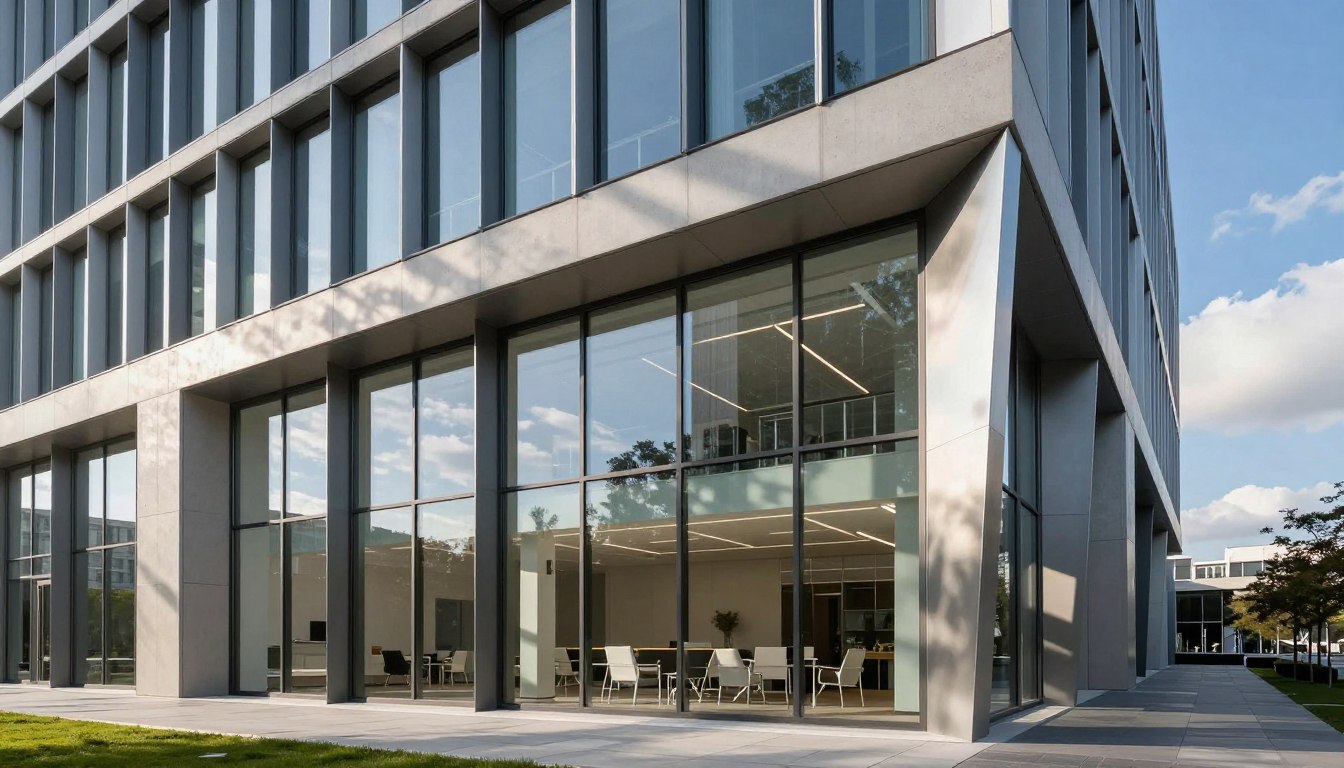
Privacy fins are a new way to design buildings. They are vertical or horizontal elements that go on your building’s facade. They control sunlight, improve privacy, and add beauty to your building’s look.
These fins are part of a bigger design plan. They help manage heat, block views, and create interesting shadows. Their placement is key—vertical ones handle sunlight from the side, while horizontal ones block sunlight from above.
Understanding the Core Function of Architectural Fins
Privacy fins do three main things. They keep your building cool by blocking heat, they hide your inside from outside views, and they make your building stand out. This makes them a smart choice for your building’s design.
Material Options for Privacy Fin Installation
The material you choose affects how long your fins last and how easy they are to keep up. UPVC is weather-resistant, strong, and comes in many colors. Timber adds a natural look and warmth, but needs special fixing systems. Aluminum and steel are strong and modern, perfect for tough spots.
| Material Type | Weather Resistance | Maintenance Level | Aesthetic Quality | Best Applications |
|---|---|---|---|---|
| UPVC | Excellent | Low | Modern, Versatile | Residential, Commercial |
| Timber | Good (with treatment) | Moderate | Natural, Warm | Contemporary, Mixed-use |
| Aluminum | Excellent | Low | Sleek, Professional | Commercial, High-rise |
| Steel | Very Good (coated) | Low | Industrial, Bold | Architectural, Specialty |
Choosing the right material depends on your climate, budget, and design goals. Each option fits well into your building’s design and offers unique benefits.
Enhanced Energy Efficiency Through Strategic Shading
Privacy fins act as passive cooling devices. They block unwanted solar heat gain, keeping your interior spaces cooler. By installing fins on sun-exposed facades, you create shaded zones. This reduces your need for air conditioning, lowering cooling costs all year.
Installing privacy fins boosts your building’s energy efficiency. They intercept sunlight before it hits your windows and glass walls. This means less heat enters your building, reducing your HVAC system’s workload. Your cooling system runs less, saving energy and keeping your space comfortable.
A commercial complex in Mumbai saw a 20% drop in cooling costs after adding UPVC privacy fins. This shows how strategic fin placement can lead to ongoing energy savings. It does so without needing extra energy or maintenance.
| Building Location | Fin Material | Facade Orientation | Cooling Cost Reduction | Climate Type |
|---|---|---|---|---|
| Mumbai, India | UPVC Fins | South-Facing | 20% | Hot & Humid |
| Phoenix, Arizona | Aluminum Fins | West-Facing | 18% | Hot & Dry |
| Miami, Florida | UPVC Fins | South-Facing | 22% | Hot & Humid |
The design of your privacy fins affects their energy-saving performance. The right design depends on your location and how much sunlight your building gets. Properly designed fins can significantly reduce your building’s thermal load, saving you money and improving tenant satisfaction.
Privacy Fin Solutions for Visual Appeal and Building Character
Privacy fins do more than hide your building from views. They turn ordinary structures into eye-catching landmarks. By adding them to your facade, you make your project stand out. Your building’s unique character shines through with strategic fin placement.
Understanding how fins work with light and shadow is key. As the sun moves, fins create changing patterns on your facade. This adds depth and beauty without extra materials or systems.
Creating Depth and Dimension on Building Facades
Strategic fin placement adds depth to your building’s exterior. Varying fin sizes and spacing creates interesting shadow patterns. Vertical fins highlight your building’s height, while horizontal fins emphasize width.
Diagonal fins add energy to your facade. The rhythm of fin placement is important. Close spacing creates fine shadows, while wider spacing makes bold patterns. This enhances your building’s appeal and makes it memorable.
Customization Options for Unique Architectural Identity
Your privacy fin system offers many customization options. Choose from matte, glossy, or textured finishes. Color options range from neutral to bold, making a statement.
Profile shapes can be rectangular for modernism, tapered for sophistication, or curved for elegance. This lets you express your design vision.
| Fin Type | Visual Effect | Best For |
|---|---|---|
| Vertical Fins | Emphasizes height and creates elegant upward movement | Modern commercial buildings and tall residential structures |
| Horizontal Fins | Accentuates width and provides grounded aesthetic | Low-rise buildings and contemporary residential projects |
| Diagonal Fins | Introduces dynamic energy and contemporary flair | Innovative designs and distinctive architectural landmarks |
Customization options let you express your architectural vision. This creates memorable aesthetics that appeal to occupants. Quality facade design boosts property values by making your building stand out.
Superior Durability and Weather Resistance
Your privacy fins need to last a long time and handle the weather well. Modern designs use weather resistant materials. These protect against UV rays, temperature changes, moisture, and pollution.
UPVC fins are a big step up in durability. They don’t rot, rust, or fade for decades. Your building looks great without needing expensive fixes.
Quality timber fins use stainless steel to avoid stains and corrosion. They’re designed to keep water out, preventing damage. Anodized aluminum, like SIHGA LamellenFix, is stable and doesn’t rust. Your choice affects how much you’ll spend over time.
| Material Type | Weather Resistance | Maintenance Requirements | Lifespan |
|---|---|---|---|
| UPVC Fins | Excellent – No rot, rust, or fade | Low maintenance | 25+ years |
| Wood with Stainless Hardware | Good – Requires protective treatment | Regular sealing and staining | 15-20 years |
| Standard Aluminum | Fair – Susceptible to corrosion | Moderate maintenance needed | 12-18 years |
| Anodized Aluminum | Very Good – Dimensionally stable | Low maintenance | 20-25 years |
Durable fins mean lower costs and less need for replacements. Your property’s value stays high. Plus, they’re easy to keep up, saving you time and money.
Cost-Effective Alternative to Traditional Facade Systems
Privacy fins are cheaper than old facade solutions. They save money upfront and in the long run. This makes your project more affordable.
Modern fin systems are light. This means they need less support, take less time to install, and fit better into your schedule.
Knowing the costs helps you choose the right facade. Privacy fins offer great value. They are cheaper than traditional cladding systems.
Reduced Installation and Labor Expenses
Privacy fin systems cost less to install. They are lighter than metal, so you don’t need to spend on extra support. This saves money on crane time and equipment.
These systems are easy to install. They are designed for quick setup. This means your project can finish faster, even when finding skilled workers is hard.
Long-Term Maintenance Savings
Privacy fins and timber fins save on upkeep. They are easy to clean with just soap and water. This means no expensive treatments or replacements.
These systems also last longer. They can be taken apart and reused in the future. This keeps your building’s value high and gives you options for changes.
| Facade System | Initial Installation Cost | Annual Maintenance | 20-Year Total Cost |
|---|---|---|---|
| Privacy Fins (UPVC) | $45 per sq. ft. | $0.50 per sq. ft. | $55 per sq. ft. |
| Metal Panel Cladding | $65 per sq. ft. | $2.25 per sq. ft. | $110 per sq. ft. |
| Stone Facade System | $85 per sq. ft. | $3.50 per sq. ft. | $155 per sq. ft. |
| Curtain Wall Assembly | $95 per sq. ft. | $4.00 per sq. ft. | $175 per sq. ft. |
Improved Occupant Comfort and Glare Reduction
Privacy fins tackle a major issue in modern buildings: too much glare. This glare makes spaces hard to work in and uncomfortable. It causes eye strain and forces people to close blinds, ruining the view and natural light.
Privacy fins block harsh sunlight, letting soft, diffused light into your space. This makes your interiors brighter and more welcoming.
Reducing glare also helps your wallet. Happy occupants stay longer, renew leases more, and talk positively about your place. Studies show better lighting can increase workplace productivity by 15-25 percent.
In retail, better comfort means more customers stay longer and spend more. Homeowners are happier when glare doesn’t ruin their day.
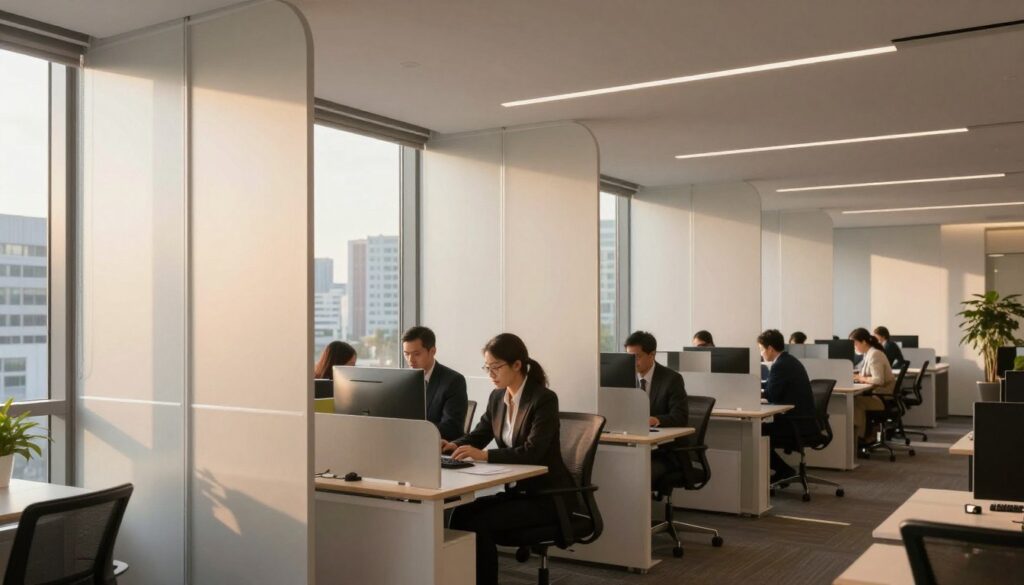
Privacy fins also keep your space cool by blocking radiant heat. This reduces the need to adjust thermostats, saving energy and money. Your building stays cool and comfortable without losing natural light.
Horizontal fins are great for south and west-facing windows. Your architect can adjust their angle for the best effect. This makes your space more comfortable and helps you meet standards for premium buildings.
Versatile Applications Across Residential and Commercial Projects
Privacy fins are more than just a simple feature. They add value to your building projects in many ways. They fit well in both homes and large commercial buildings. They work on railings, windows, and even hide mechanical equipment.
At home, privacy fins make patios and balconies more private and look better. In commercial buildings, they hide rooftop equipment, making the building look nicer. They work with different building materials, making them easy to use in any project.
Integration with Ventilation and Louver Systems
Privacy fins and louvers together solve many climate control problems. Louvers let air in while keeping out rain and dust. This combo improves ventilation and cuts down on cooling costs.
When you use louvers and privacy fins together, you get even more benefits. They let air in while keeping out weather and debris. This setup improves air quality and energy use. You can use them on many different surfaces, making them flexible for any project.
| Application Type | Residential Design | Commercial Architecture | Mounting Surface |
|---|---|---|---|
| Balcony Privacy Screens | Patios and decks | Building perimeters | Wood or steel frames |
| Window Sunshades | Bedroom and living areas | Office building facades | Concrete or metal structures |
| Equipment Screening | Utility areas | Rooftop mechanical units | Steel or concrete supports |
| Ventilation Integration | Basement areas | Large ductwork systems | Multiple substrate types |
| Facade Modernization | Home renovations | Building envelope upgrades | Existing construction surfaces |
What you need depends on your project. Homes get better with balcony screens and sunshades. Apartments use louvers for better air flow. Commercial buildings use privacy fins to hide equipment and look better.
Privacy fins are great for many types of buildings. They fit with different construction needs. This makes them a valuable tool for any project, improving looks and function.
Sustainable Building Practices and Environmental Benefits
Privacy fins are a smart choice for your sustainable building plan. They help meet the growing demand for environmental performance. By using privacy fins, your project meets green building standards and cuts environmental impact over time.
Privacy fins offer natural shading, reducing energy use. This passive method lowers cooling needs and carbon emissions. It’s a zero-energy approach that keeps occupants comfortable.
Many privacy fins are made from recyclable materials, supporting the circular economy. Options like UPVC and sustainably harvested timber meet LEED and BREEAM standards. Your choices can boost property value and appeal.
Privacy fins are designed for easy recycling and reuse at the end of their life. This reduces waste and preserves material value. It shows your commitment to the environment, attracting tenants and investors.
| Material Type | Recyclability | Embodied Carbon | Green Building Compliance |
|---|---|---|---|
| UPVC Fins | Fully Recyclable | Low to Moderate | LEED, BREEAM Eligible |
| Sustainably Harvested Timber | Fully Recyclable/Compostable | Lowest Impact | LEED, BREEAM Eligible |
| Aluminum Fins | Highly Recyclable | Moderate | LEED, BREEAM Eligible |
| Composite Materials | Partially Recyclable | Moderate to High | Conditional Eligibility |
Measuring sustainability benefits shows the value to stakeholders. Track carbon reduction, renewable material use, and waste diversion. These metrics support ESG goals and regulatory needs, shaping market choices.
Choosing privacy fins balances environmental goals with cost and durability. This approach sets your project apart while meeting sustainability targets. It boosts property value and investor confidence in your project’s green credentials.
Conclusion
Privacy fins add real value to your building projects. They solve many problems at once. They save energy, last longer, and look great.
These benefits help your bottom line. Whether you pick vertical fins for side sun control or horizontal ones for overhead, you make a smart choice. It’s an investment that pays off.
Your tenants will feel the difference. Less glare makes spaces more comfy. Better temperature control saves on bills. Privacy feels natural, not forced.
These details matter for happy tenants and higher property values. A design that improves both function and feel gives you an edge. Learn more about privacy fin options for your specific needs. Real buildings across the United States already see success with them.
The numbers back up your choice. Installation costs are reasonable compared to old facade systems. Maintenance is easy because of aluminum and steel’s weather resistance. Your long-term costs go down while your property’s appeal goes up.
This makes privacy fins great for homes, businesses, and more. You can use them on walls, fences, balconies, or as full screens. You can customize to fit modern or traditional designs.
Start planning your next project with privacy fins in mind. Think about where they can improve performance and look. Talk to experts who get your vision. Privacy fins are smart thinking for quality, comfort, and market position. Your projects deserve solutions that last.