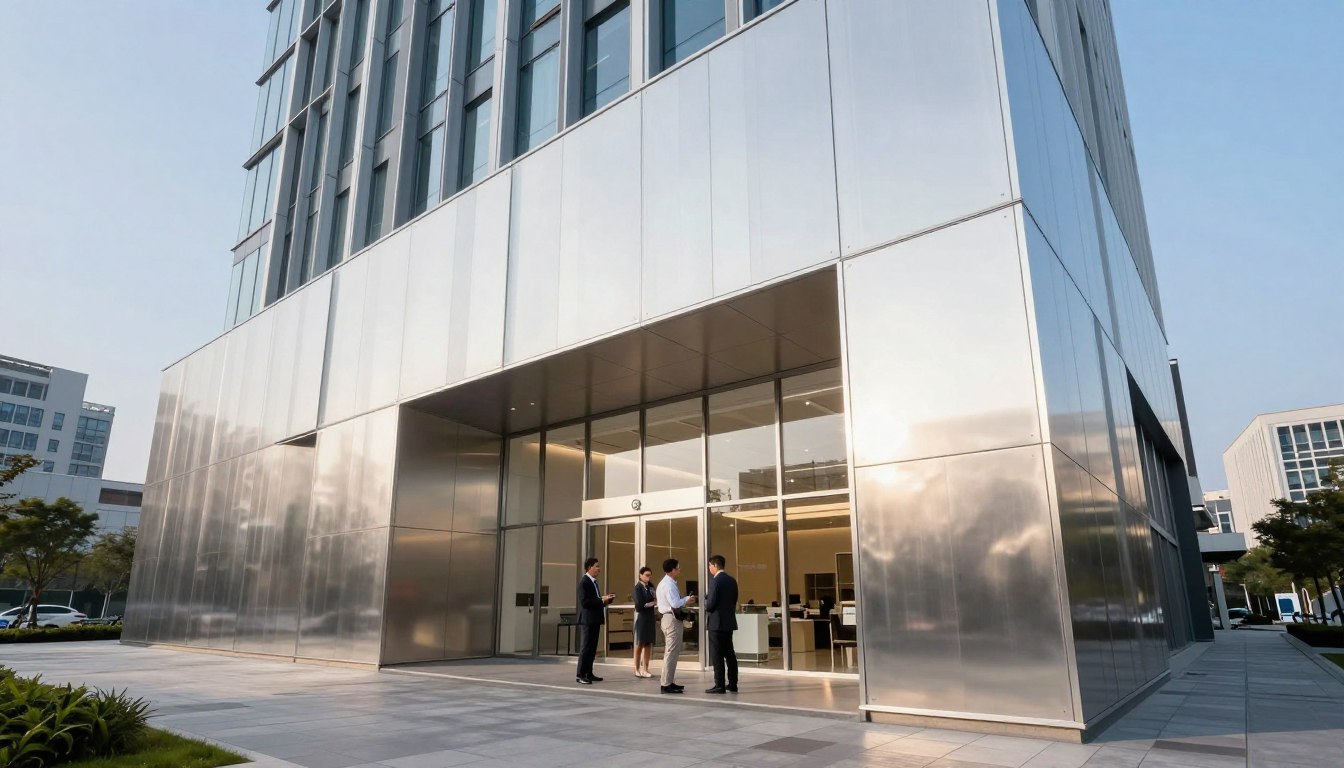
Your commercial building’s exterior makes a strong first impression. The exterior you choose affects how people see your business and your costs for years. An aluminum facade system offers modern solutions that mix style with practical performance.
Choosing the right architectural cladding is very important. It affects your energy bills and maintenance costs. Traditional materials like brick and concrete have been good in the past. But aluminum offers something new for today’s commercial projects.
An aluminum facade system meets many challenges at once. Your commercial buildings need protection from weather, to last long, and to impress clients and customers. This material meets these needs without costing too much or taking too long to install.
In this guide, you’ll learn why architects and builders in the United States choose aluminum for their key projects. From saving energy to quick installation, the benefits add up fast. Your building deserves a facade system that looks as good as it performs.
Key Takeaways
- Aluminum facade systems combine strength with lightweight performance for modern commercial buildings
- Your building exterior gains superior protection against weather, corrosion, and UV damage
- Energy efficiency and thermal performance reduce your heating and cooling costs significantly
- Architectural cladding with aluminum offers endless design options and customization possibilities
- Fast installation means your commercial buildings reach completion sooner with minimal disruption
- Long-term durability and low maintenance keep your ownership costs down year after year
- Recyclable aluminum supports your sustainability goals and environmental responsibilities
Why Aluminum Facade Systems Are Transforming Commercial Architecture
The commercial construction world is changing fast. Aluminum cladding systems are at the forefront, replacing old materials. Your building can now have a modern look and function better. Materials like brick, stone, and concrete are no longer enough for today’s needs.
Knowing the difference between old and new materials is key. Old facade solutions cause budget and timeline problems. But, new aluminum cladding systems fix these issues and offer benefits traditional materials can’t.
- Heavy weight that increases transportation and labor costs
- Difficult installation processes that extend project timelines
- Poor energy efficiency that raises heating and cooling expenses
- Limited design flexibility that restricts creative possibilities
- Weather damage including peeling, fading, cracking, and corrosion
- Ongoing maintenance expenses from constant repairs
Aluminum facade systems tackle these challenges. They make it easier to achieve your architectural goals. With aluminum, you get lightweight construction, quick installation, better energy use, and endless design options. These advantages make aluminum a clear winner over old materials.
The move to aluminum marks a big step forward in building. Your next project can use the latest technology. This change in facade design is making commercial buildings better for years to come.
Lightweight Construction with Superior Strength Performance
Choosing aluminum panels for your commercial building is a smart move. They offer great strength but weigh only about one-third as much as steel. This makes them perfect for projects where weight matters.
Your building will have less structural demand, lower transport costs, and quicker setup. Knowing how lightweight construction changes your project helps you make better choices for your facade.
Reducing Structural Load on High-Rise Buildings
High-rise buildings face big challenges with structural load. Traditional heavy materials put too much pressure on foundations and support systems. Aluminum panels help by greatly reducing this load.
Using aluminum instead of other materials means your building needs less support in key areas. This offers several benefits for your project.
- Lower foundation requirements and costs
- Potential for additional floor levels without structural upgrades
- Reduced strain on vertical support systems
- Decreased transportation expenses during construction
- Faster installation with minimal equipment needs
Lighter facades make your high-rise buildings more efficient and cost-effective. Your construction team can handle materials more easily, finishing projects on time and within budget.
Enhancing Seismic Resistance and Safety
Buildings in earthquake-prone areas need special care for seismic resistance. Lighter aluminum panels perform better during earthquakes. They experience lower inertial forces, protecting your structure and people inside.
This safety feature is very valuable for commercial buildings in areas with high seismic activity.
| Material Type | Weight per Unit | Seismic Performance Impact | Installation Time |
|---|---|---|---|
| Aluminum Panels | Low (1/3 of steel) | Excellent – Reduced inertial forces | Fast |
| Steel Cladding | High (Standard weight) | Moderate – Higher seismic stress | Moderate |
| Stone Veneer | Very High | Poor – Maximum inertial forces | Slow |
| Concrete Panels | Very High | Poor – Significant seismic stress | Very Slow |
Investing in aluminum panels boosts your building’s safety and strength. The lightweight design protects your building in natural disasters while keeping it strong. This makes aluminum the best choice for modern high-rise buildings.
Exceptional Corrosion Resistance for Long-Term Durability
Your commercial building faces threats from weather, moisture, and pollutants. Aluminum facade systems offer natural protection. They keep your structure safe for decades.
When aluminum is exposed to air, it forms a thin, invisible layer of aluminum oxide. This shield prevents rust and decay. It makes your building’s exterior virtually indestructible.
The corrosion resistance of aluminum comes from this self-healing mechanism. Unlike steel or wood, aluminum doesn’t rust through or deteriorate over time. Your facade maintains its strength and appearance even in harsh climates.
Whether your building sits near coastal salt air, experiences heavy rainfall, or endures industrial pollution, aluminum protects your investment. It offers durability that spans many years.
Traditional materials like wood and brick are porous. They absorb moisture that causes rotting and damage. Aluminum is non-porous, so water cannot penetrate its surface.
This weather resistance keeps your building safe from rain, snow, and moisture damage. It plagues other materials.
Real-World Benefits for Your Building
- Extended service life lasting 30+ years without major deterioration
- Lower maintenance costs due to minimal upkeep requirements
- Protection against UV radiation, salt spray, and acid rain
- Maintains structural integrity in extreme temperature swings
- Prevents costly repairs from rust, rot, or moisture infiltration
Choosing aluminum means investing in long-term performance. Your building’s facade stays strong, looks great, and requires far fewer repairs than conventional materials. This durability translates directly into money saved on maintenance while keeping your commercial property protected for generations.
Design Flexibility and Aesthetic Versatility
Aluminum facade systems offer endless possibilities for your commercial building’s look and function. Its flexibility lets architects bring your vision to life, creating shapes that grab attention. Whether it’s smooth curves or bold patterns, aluminum fits any design idea.
Your building’s exterior can show off modern elegance with aluminum’s adaptability. Unlike stiff materials, aluminum lets you think big and bold. It supports your most daring ideas, whether it’s a sleek tower or a unique mixed-use project. Check out professional building materials resources for customization options.
Customizable Colors and Finishes
You can choose any color for your facade with advanced treatments. Powder coating offers endless colors with great weather protection. Anodizing gives you metallic finishes that look good as they age.
There are many textures to choose from, like matte or glossy. You can even get wood-grain or stone looks that match your design.
The aesthetic versatility goes beyond colors. Different treatments create unique looks:
- Matte finishes for understated elegance
- Glossy coatings for light reflection and interest
- Textured surfaces for depth and dimension
- Metallic treatments for modern sophistication
- Wood-grain imitations for warmth and style
Creating Modern Architectural Statements
Slim aluminum profiles let you have big glass surfaces. These frames make your building feel open and light. It looks modern and strong.
Pairing aluminum with different glass types creates stunning effects. Your building’s design will stand out, making it a landmark in the commercial world. Aluminum fits perfectly with modern design, which values simplicity and lightness.
| Surface Treatment Method | Color Range | Durability Level | Visual Effect |
|---|---|---|---|
| Powder Coating | Unlimited colors available | Excellent weather resistance | Matte or glossy finish options |
| Anodizing | Metallic tones and natural aluminum | Highly durable protective layer | Sophisticated metallic appearance |
| Paint Finishing | Custom color matching possible | Good protection when maintained | Consistent, uniform appearance |
| Electroplating | Chrome, bronze, copper effects | Premium durability | Distinctive metallic character |
Your commercial building’s facade is more than just protection. It’s a statement of your brand’s values and vision for the future.
Energy Efficiency and Thermal Performance Benefits
Your commercial building’s costs depend on keeping temperatures comfortable inside. Modern aluminum facade systems are very energy efficient. They use smart design and thermal insulation to keep your systems working less hard. This means lower bills every month.
Several technologies make these facades perform well. Thermal breaks in aluminum profiles stop heat from moving between inside and outside. Adding low-E glass makes your facade even better at saving energy. This combo keeps your building well-insulated all year.
Reducing Heating and Cooling Costs
Good insulation cuts your heating and cooling costs. When your building envelope keeps heat out, your HVAC system works better. This saves money and makes your property more attractive to tenants.
- Thermal breaks prevent heat loss in winter and heat gain in summer
- Low-E glass reflects unwanted solar radiation
- Reduced HVAC runtime lowers monthly utility expenses
- Energy-efficient facades improve your building’s operating expense ratio
Maximizing Natural Daylight Integration
Aluminum’s strength lets you have bigger glass panels. This brings more natural light inside. When light transmission rates are over 70%, you need less artificial light. This saves energy and makes your space brighter and healthier.
| Facade Feature | Thermal Performance Impact | Energy Savings |
|---|---|---|
| Thermal Breaks in Aluminum Profiles | Blocks heat transfer between interior and exterior | 15-20% reduction in heating/cooling costs |
| Low-E Glass Integration | Reflects infrared radiation while allowing visible light through | 10-15% reduction in cooling demands |
| Large Glazed Panels | Maximizes natural daylight penetration | 20-30% reduction in artificial lighting needs |
| Insulated Facade Panels | Creates thermal envelope resistance | 25-35% reduction in HVAC system runtime |
Choosing aluminum facade systems with thermal insulation makes your building energy efficient. Lower costs for heating and cooling mean real savings over time.
Environmental Sustainability and Recyclability
Choosing an aluminum facade system for your commercial building is a step towards environmental responsibility. Aluminum is a top choice for sustainable building materials. It can be recycled endlessly without losing quality or performance. This makes it perfect for green buildings aiming to reduce environmental impact.
The recycling process for aluminum is simple and saves a lot of energy. It takes only about 5% of the energy needed to make new aluminum from raw ore. This leads to big cuts in carbon emissions. By using recycled aluminum, you greatly reduce your building’s carbon footprint. This shows your commitment to sustainability and meets corporate social responsibility goals.
Choosing aluminum facades can lead to green building certifications. Programs like LEED, BREEAM, and WELL value aluminum’s recyclability and sustainability. These certifications can increase your building’s value and attract eco-conscious tenants. Plus, aluminum’s durability means your building won’t need facade replacements for decades, reducing waste and material use.
How Aluminum Supports Your Sustainability Goals
- 100% recyclable material with no quality loss
- Dramatically reduces energy consumption in manufacturing
- Supports LEED and BREEAM green building certifications
- Minimizes environmental impact through prefabricated installation
- Long-lasting performance eliminates replacement needs
- Works perfectly with your building’s overall sustainability strategy
By picking aluminum facades, you’re choosing materials that support today’s environmental needs. Your building becomes a part of the fight against climate change while keeping its looks and performance top-notch.
Weather Resistance and Low Maintenance Requirements
Aluminum facade systems protect your commercial building from harsh weather. They keep it safe from rain, snow, wind, and sun all year. Unlike wood or brick, aluminum doesn’t absorb moisture or warp with temperature changes.
This material creates a strong barrier against water. It meets European standards like EN 1999-1-1, ensuring your building lasts for decades.
Aluminum facades are durable, even in harsh climates. They resist coastal weather, heavy rain, and intense UV radiation. Your building’s look won’t fade or crack from sun exposure.
Protection Against Rain, Snow, and UV Radiation
Aluminum’s surface prevents water damage. Its UV resistance keeps your building’s exterior looking good for years. Rain and snow slide off without causing harm.
In coastal areas, aluminum resists salt air corrosion. It doesn’t rust, rot, or deteriorate like other materials.
Minimal Upkeep for Long-Term Cost Savings
Aluminum systems require little upkeep. They only need occasional water cleaning. No need for expensive painting or sealing.
This saves you time, money, and avoids business disruptions. You’ll have fewer renovations, cutting down on costs. Aluminum is a smart choice for your building’s finances.
- No regular repainting or sealing needed
- Minimal cleaning requirements
- Reduced labor costs for upkeep
- Extended time between renovations
- Lower total lifecycle expenses
Fire Safety and Non-Combustible Properties
When planning a commercial building, fire safety is key. Aluminum facade systems are great because aluminum is non-combustible. This means your building’s exterior won’t catch fire or spread flames, which is vital for safety.
Your aluminum facade can meet strict fire safety codes in the U.S. Most aluminum cladding systems get the fire ratings needed for commercial buildings. This makes them a top choice for protecting your investment and the people inside.
Aluminum might melt at a lower temperature than some materials. But, modern fire-resistant facades have smart design features for strong fire protection. These systems use fire barriers and insulated panels with fire-resistant cores to stop flames from spreading between floors.
Understanding Non-Combustible Materials in Building Safety
Your building’s safety relies on using materials that don’t burn. Non-combustible aluminum creates fire barriers that slow down fire movement. This gives people more time to get out safely.
- Non-combustible construction prevents fuel for fires
- Fire-resistant facades include protective barriers
- Aluminum meets fire ratings for commercial use
- Spandrel areas create fire compartmentalization
- Systems include insulation with fire-resistant cores
Comparing Fire Safety Performance Standards
| Material Type | Fire Rating Capability | Non-Combustible Status | Best Use Cases |
|---|---|---|---|
| Aluminum with Fire-Resistant Cores | Meets High Fire Ratings | Non-Combustible | High-Rise Commercial Buildings |
| Composite Panels | Variable Performance | Combustible (Some Types) | Limited Applications |
| Glass Panels | Meets Fire Ratings | Non-Combustible | Storefronts and Partitions |
| Aluminum with Standard Insulation | Good Fire Ratings | Non-Combustible | Standard Commercial Projects |
Your design team should work with building inspectors to pick the right fire-resistant facades. Different buildings need different fire ratings based on occupancy type and local codes. Aluminum systems offer flexibility in meeting these requirements while keeping your architectural vision.
Choosing non-combustible aluminum for your facade ensures better fire safety than some alternatives. You’ll have peace of mind knowing your building provides excellent fire protection for occupants and meets all building safety regulations.
Fast Installation and Reduced Construction Time
Aluminum facade systems offer a big advantage in modern building—speed. Choosing aluminum facades for your commercial building means you can finish the installation much faster than traditional methods. This is because aluminum is made and assembled in a way that changes your construction timeline.
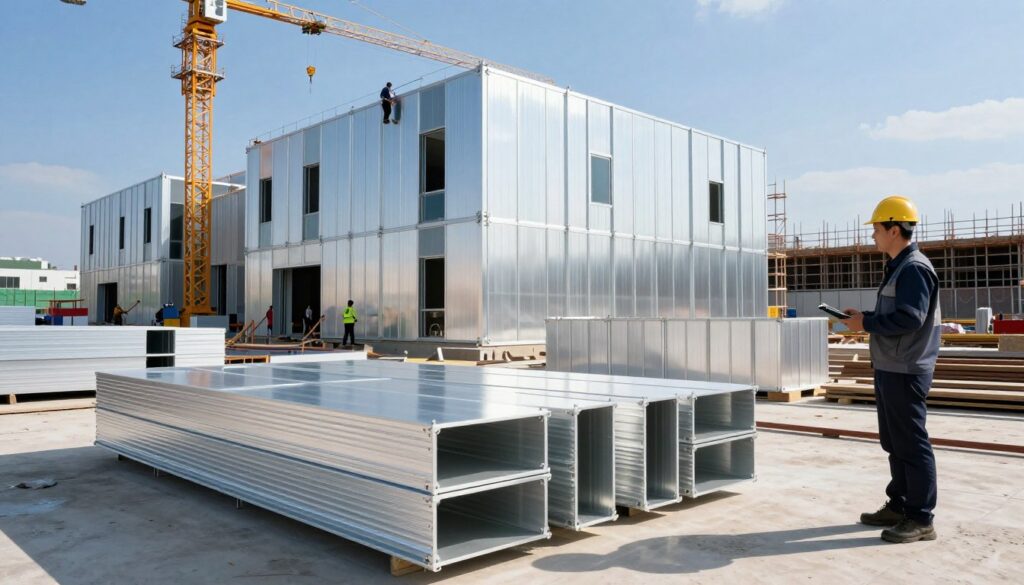
The installation process is much quicker because aluminum curtain wall systems come as prefabricated modules. These parts are made in a controlled factory setting, ensuring they meet exact specifications. Your construction team just assembles these units on-site, avoiding delays from weather or fabrication errors.
Prefabricated Modules for Quick Assembly
Prefabricated modules are a game-changer for your construction timeline. These factory-built parts are ready for installation when they arrive at your project. The modular construction method lets your team connect pre-made sections together, making the process much faster than traditional methods.
Aluminum’s light weight makes handling these modules easy. Your team can place and secure components quickly, without needing heavy machinery that slows projects down. Each module meets EN 13830 standards for curtain wall facades, ensuring quality and compliance with industry requirements.
- Factory-built components arrive ready for assembly
- Lightweight aluminum reduces equipment needs
- Quality control happens before delivery to your site
- Meets all industry standards and certifications
- Reduces weather-dependent delays
Minimizing Disruption to Business Operations
Fast installation is key when retrofitting existing facilities or adding to occupied buildings. Your tenants can keep working without much interruption. This is important because long construction delays can cause financial losses and unhappy tenants.
Quick facade installation means your building is finished faster, allowing you to start making money sooner. Faster completion improves your return on investment by getting your property to market quicker. Whether you’re managing an active business location or coordinating with multiple tenants, the quick installation of aluminum curtain wall systems protects your operations and finances.
| Installation Method | Typical Timeline | On-Site Fabrication Required | Weather Delays |
|---|---|---|---|
| Aluminum Prefabricated Modules | 2-4 weeks per floor | No | Minimal |
| Traditional Brick Construction | 6-10 weeks per floor | Yes | Frequent |
| Stone Panel Installation | 5-8 weeks per floor | Yes | Significant |
| Glass Panel Systems | 3-6 weeks per floor | Partial | Moderate |
Choosing aluminum facade systems makes your construction process more predictable and efficient. Fast installation protects your investment timeline and keeps your building operations moving without unnecessary interruptions.
Aluminum Facade System Cost-Effectiveness Over Time
Choosing an aluminum facade system is a wise financial move. It may cost more than traditional materials at first. But, the real savings come when you look at the long-term costs.
Aluminum facades boost your building’s value right away. They look modern and attractive. Plus, they save on energy costs, thanks to their efficiency.
Aluminum is light, which means you need less structure. This cuts down on construction costs. Installation is fast, saving on labor costs. And, aluminum doesn’t rust or get damaged by weather, so maintenance is easy.
Over 30 to 40 years, your building will save a lot on energy. You won’t have to fix the facade often. And, replacing panels is cheaper than replacing the whole system.
| Cost Factor | Year 1-5 | Year 6-15 | Year 16-30 | Cumulative Savings |
|---|---|---|---|---|
| Energy Efficiency Savings | $15,000 | $45,000 | $90,000 | $150,000 |
| Maintenance Cost Reduction | $8,000 | $24,000 | $48,000 | $80,000 |
| Extended Service Life Value | $0 | $20,000 | $60,000 | $80,000 |
| Labor Cost Reduction | $25,000 | $0 | $0 | $25,000 |
| Total Lifecycle Benefits | $48,000 | $89,000 | $198,000 | $335,000 |
As time goes on, you’ll see your savings add up. Your energy bills will go down. You won’t need to fix things as often. This means your building runs smoothly without interruptions.
Having a modern facade makes your building more attractive to tenants. They’re willing to pay more to live there. This makes your building stand out in the market.
- Lower heating and cooling expenses throughout the year
- Minimal maintenance requirements reducing ongoing labor costs
- Fast installation shortening construction timelines and labor expenses
- Durability extending service life and delaying replacement needs
- Recyclable materials adding environmental value at end-of-life
- Enhanced tenant appeal supporting rental rate increases
Aluminum facades are a smart choice for the long run. They cost more upfront but save money over time. This makes them a practical choice for your building.
Conclusion
Your choice of building materials greatly affects your commercial property’s performance for years. Aluminum facade systems offer benefits that traditional materials can’t match. By choosing aluminum facade benefits, you get lightweight strength, corrosion resistance, and energy efficiency. These qualities protect your investment and lower operational costs.
Aluminum’s advantages go beyond looks, which are important in modern architecture. Your building becomes more durable against weather, needs less maintenance, and shows off your brand. Energy-efficient panels save on heating and cooling costs. Fire-safe materials protect your people. Fast installation means less disruption to your business.
When picking facade options, think about long-term value. Aluminum might cost more upfront than brick or stone. But its durability, low upkeep, energy savings, and increased property value make it a wise choice. Your building solutions should meet today’s needs and tomorrow’s sustainability goals. Aluminum is recyclable, supporting your environmental goals and saving money.
Next, talk to experienced facade specialists and architects who get your needs. They can show how aluminum makes your building stand out. Reach out to experts who can customize these solutions for your project. This way, your building will excel for decades and boost your brand.