City living has its downsides. You crave natural light but also need privacy. This case study reveals how a high-rise building achieved both with custom architectural louvers.
The building is in a crowded urban area, with neighbors just feet away. Residents faced a big issue. Windows let in light and views but also made homes visible to outsiders. They needed a solution that kept homes private without blocking sunlight.
Standard privacy solutions didn’t fit. They looked out of place on such a modern tower. The developers sought something that matched the building’s design. They also needed a system that could handle the building’s size and complexity. Privacy became the focus of the design phase.
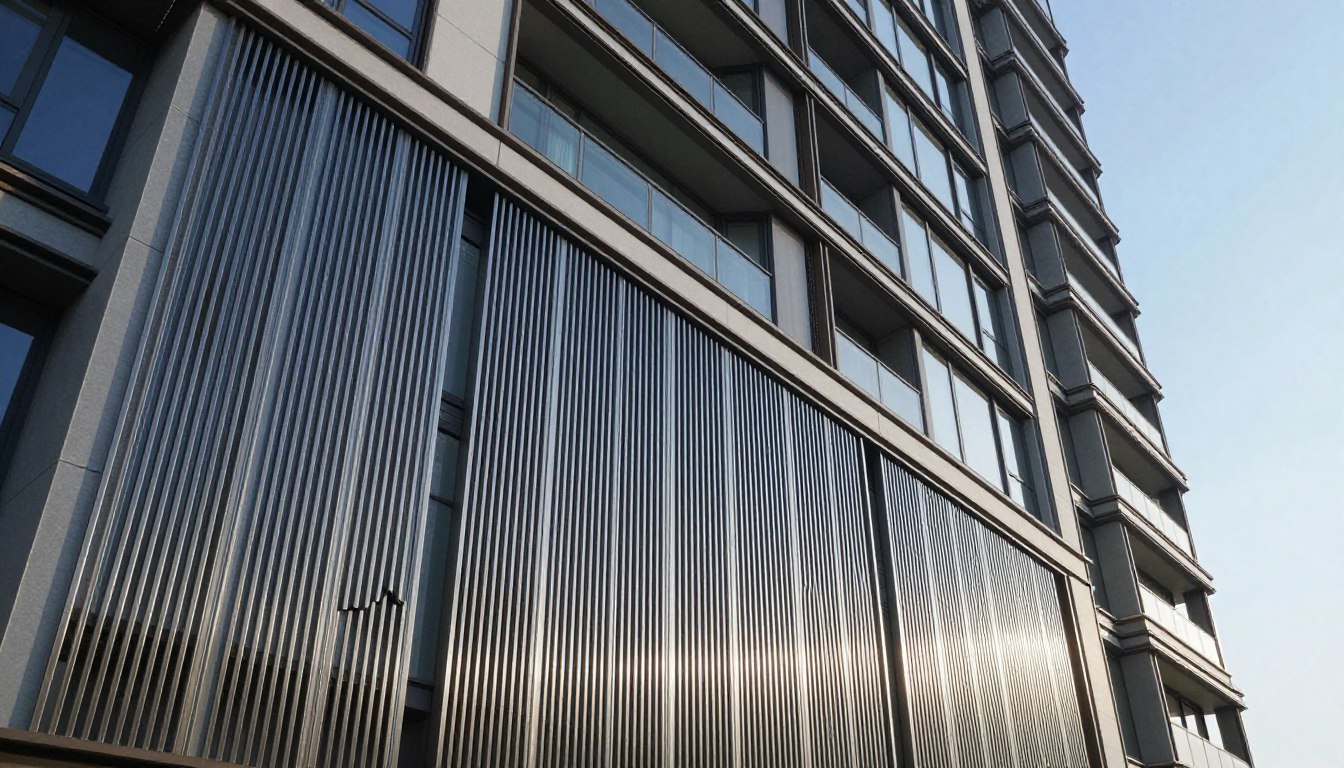
The tower needed more than just shading. It required custom, beautiful, and effective privacy fins and louvers. These could rotate and adjust to block unwanted views and let in light. It’s like a smart screen that works all day to protect residents.
This project tackles real urban building challenges. It shows how thoughtful design can turn privacy issues into architectural highlights. The detailed approach to shading strategies highlights what’s possible with professional collaboration on energy-focused design.
Keep reading to learn how this residential tower transformed privacy solutions into something beautiful and functional.
Key Takeaways
- Custom architectural louvers solve privacy and natural light challenges in dense urban areas
- Building facade privacy requires specialized design, not standard products
- Modern privacy fins can rotate and adjust to control light and sight lines throughout the day
- Smart shading systems balance aesthetics with function in high-rise residential projects
- Collaboration between architects and engineers creates effective privacy screening solutions
- Custom louver systems can integrate energy efficiency with resident comfort needs
The Challenge: Balancing Privacy and Natural Light in Urban Living
Living in a high-rise building is a unique challenge. You want your home to be bright and open, yet private from the outside. This balance is key to modern urban living.
The design team aimed to meet these needs while keeping the building stylish. They also wanted to protect the amazing views that residents paid for.
Understanding the Client's Vision
The developer wanted luxury homes that feel bright and inviting. They didn’t want them to feel like glass boxes open to the city. The goal was to control natural light while keeping the stunning city views.
Residential privacy fins were the perfect answer. They block views but keep distant sights open. Custom louver systems added flexibility, letting residents adjust privacy as needed.
Site-Specific Constraints and Requirements
Your project site had many technical challenges:
- Wind load requirements increased significantly at the building’s height
- Each building facade faced different privacy needs based on orientation and neighboring structures
- Local building codes restricted certain materials and installation methods
- Construction timeline demanded efficient, coordinated installation
- Structural integration required careful engineering collaboration
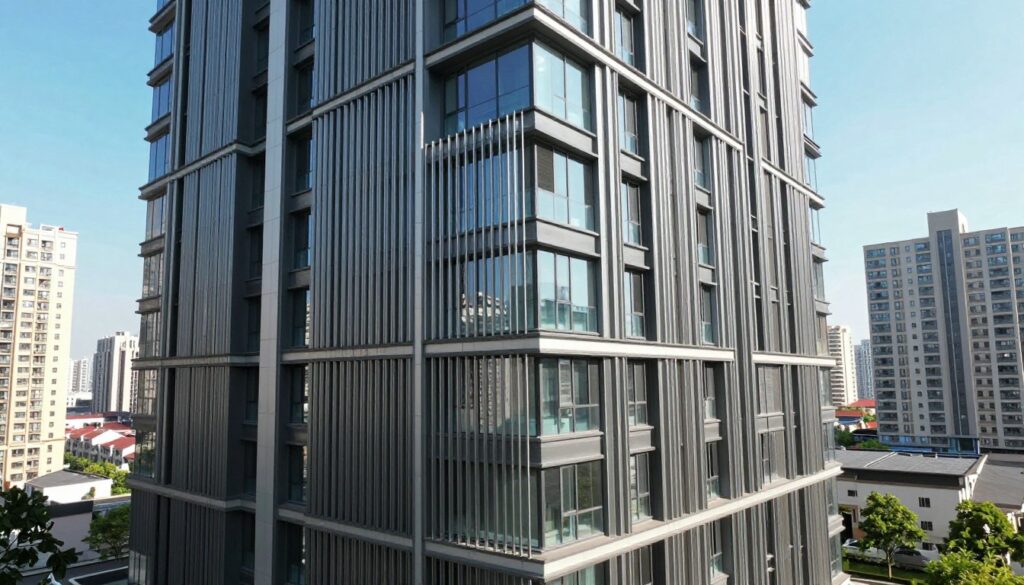
These challenges made standard solutions not enough. Custom louver systems were needed for this location. They had to control natural light across seasons and allow air to circulate.
Many teams worked together on these solutions. Structural engineers, facade specialists, and architects all played a part. Their teamwork turned challenges into chances for innovation.
Designing and Installing Privacy Fins & Louvers for Maximum Impact
Turning your vision into reality needs careful planning and skilled execution. The team turned the building’s challenges into a sophisticated solution. They used advanced design techniques and precision craftsmanship.
The design phase started with 3D modeling technology to test different fin angles and spacing. They evaluated how each adjustment affected privacy and natural light. This digital approach allowed them to see the final result before starting the installation.
Choosing the right material was key for the success of this high-rise building design. The team picked aluminum for its durability, lightweight properties, and aesthetic flexibility. They selected a finish that matched your building’s architecture, creating visual harmony.
The architectural shading systems needed customization for different building sides. Deeper fins were used for windows facing neighboring towers. More open configurations were used where privacy demands were less intense. This approach maximized function and visual appeal.
The fabrication process ensured precision manufacturing of every exterior privacy screen component. Each piece was made to exact specifications, ensuring perfect fit and consistent quality.
| Installation Phase | Duration | Key Activities |
|---|---|---|
| Design & Planning | 4 weeks | 3D modeling, material selection, specification finalization |
| Fabrication | 6 weeks | Aluminum fin production, louver assembly, quality testing |
| Site Coordination | 2 weeks | Logistics planning, trade scheduling, safety protocols |
| Louver Installation | 8 weeks | Component delivery, mounting, alignment, calibration |
| Testing & Verification | 2 weeks | Wind resistance testing, louver adjustment, final inspection |
The louver installation timeline required careful coordination with other construction trades. The team managed logistics for delivering large components to your constrained urban site. Installation proceeded without disrupting residents in already-occupied lower floors, showing professional project management.
Quality control measures verified every aspect of the system. Wind resistance testing confirmed structural integrity, while adjustable louver calibration ensured smooth operation. These steps guaranteed that your architectural shading systems would perform reliably for years to come.
- Real-time site monitoring during louver installation
- Weather-responsive scheduling to maintain installation pace
- Resident communication protocols for occupied floors
- Daily quality inspections and adjustment procedures
- Documentation of all testing and certification records
Your exterior privacy screens solved multiple challenges simultaneously. The team adapted to unexpected obstacles like weather delays and site access limitations. Each problem became an opportunity to refine the installation process and strengthen the final result. The completed system now provides your residents with the privacy they deserve while also improving your building’s modern appearance.
Conclusion
This high-rise project shows the power of focusing on privacy. Now, residents enjoy their windows without feeling watched. They love the natural light and city views without losing their personal space.
The building’s looks improved a lot. This made it easier to sell the remaining units. Plus, the energy efficiency went up because of the custom louvers. This means lower utility bills for everyone.
Custom privacy fins and louvers are better than generic ones. They need careful planning and teamwork between architects and facade experts. Testing mockups early helps catch problems before they start.
Investing in quality materials means your building lasts longer and works better. It gets a solution that fits its needs, not a generic one. This makes your building a place where people want to live.
Take these lessons to your own projects. Work with facade specialists from the start. Test your ideas with mockups. Every building is unique and needs a custom solution for privacy.
FAQ
What exactly are privacy fins and louvers, and how do they work?
Privacy fins and louvers are systems that block views from other buildings. They let in natural light and air. Fins are vertical or angled parts of the building’s facade. Louvers are horizontal or adjustable slats.
Together, they create a privacy screen that filters light and views. In a high-rise project, fins were angled to solve privacy issues while keeping views.
Why can’t we just use standard, off-the-shelf louver systems for every project?
Every building is unique, with different needs and constraints. Standard systems don’t fit these needs. In an urban tower project, custom solutions were needed due to wind, orientation, and material restrictions.
What works for one building might not work for another.
How do privacy fins help with energy efficiency in high-rise buildings?
Privacy fins block direct sunlight, reducing heat gain. This means your HVAC system works less, saving energy and money. A case study showed energy savings from these systems.
It’s a win-win: better privacy and lower bills.
What materials are best for custom privacy fin installations?
Aluminum is the top choice for privacy fins. It’s durable, requires little maintenance, and fits modern styles. It resists corrosion and can be colored or textured.
In a residential tower, aluminum was chosen for its durability and aesthetic appeal.
How long does it take to design and install a custom privacy fin and louver system?
The time needed varies with project size and complexity. Designing takes weeks, and fabrication and installation take more time. A high-rise project required careful planning to avoid disrupting residents.
Can privacy fins be adjusted after installation if our privacy needs change?
Yes, many privacy fin systems are adjustable. This allows for changes in light and views. Fixed fins can’t be adjusted, so discuss this during design.
How do you ensure privacy fins meet wind resistance requirements for high-rise buildings?
Wind resistance testing is key for high-rise buildings. The design team uses calculations and tests to ensure fins can withstand wind. A residential tower project included specific wind load requirements.
Each component is rigorously tested before installation.
What’s the difference between privacy fins on different sides of a building?
Building orientation affects privacy needs. In a case study, sides facing neighbors needed deeper fins. Other sides could have more open configurations.
This approach optimizes each side based on actual privacy threats.
How do privacy fins impact the building’s overall curb appeal and property value?
Privacy fins enhance a building’s look and appeal. They add dimension and sophistication. A residential tower saw increased curb appeal, helping sell units faster.
Well-designed systems signal quality and attention to detail.
What role do facade specialists play in successful privacy fin projects?
Facade specialists are key collaborators. They understand technical, aesthetic, and functional aspects of facade systems. They help design, select materials, and manage installation.
Involving them early prevents costly mistakes.
Can privacy fins be retrofitted to an existing building?
Yes, retrofitting is possible but presents challenges. Existing buildings may have structural limitations and occupied spaces. Professionals assess the site and plan carefully to minimize disruption.
How do you test privacy fin mockups before full installation?
Teams create full-scale mockups to test appearance, light penetration, and privacy. These mockups are tested for wind resistance and durability. A case study used extensive testing before full installation.
What maintenance do privacy fins and louvers require long-term?
Aluminum fin systems need little maintenance. They require occasional cleaning and inspections. Unlike other materials, aluminum resists weathering and doesn’t need repainting.
Quality materials and proper installation ensure long-term performance.
How do privacy fins address the fishbowl effect in luxury residential units?
Privacy fins block views from neighbors while preserving views outward. This solves the “fishbowl effect” in dense areas. Residents enjoy expansive windows without feeling exposed.
The case study building received high satisfaction for this reason.
What local building codes should we consider when planning privacy fin installations?
Building codes vary and include material, fire, and structural requirements. Wind load requirements are critical for high-rise buildings. Your team must review local codes early to ensure compliance.
How do you manage logistics and installation in constrained urban sites?
Urban sites present challenges like limited access and noise restrictions. Professional teams plan carefully, use smaller components, and coordinate with building management. A residential tower project required sophisticated coordination to minimize disruption.
What measurable outcomes can we expect from a custom privacy fin installation?
You can expect improved privacy, natural light, and energy efficiency. Enhanced curb appeal and property value are also expected. A case study showed these benefits through resident surveys and sales data.
Why is collaboration between architects, engineers, and facade specialists important?
Privacy fin systems involve architecture, engineering, and construction. Collaboration ensures a solution that meets all needs. In a case study, this integrated approach was key to success.
How do adjustable louvers differ from fixed privacy fins?
Adjustable louvers can be changed seasonally or daily. Fixed fins provide consistent privacy and light blocking. Adjustable systems offer flexibility, while fixed fins are less expensive and require no maintenance.
The choice depends on your project’s needs and budget.
What unexpected challenges emerged during the high-rise residential tower project?
Real-world projects face surprises like weather delays and structural issues. The case study team adapted to these challenges, solving problems creatively. Experienced teams and flexible planning are essential.
How should we approach privacy fin design if our building has mixed-use programs?
Mixed-use buildings have different privacy needs. Your facade specialists can design systems for different areas. The design must balance privacy and visual cohesion.
Can privacy fins be designed to complement specific architectural styles?
Yes, privacy fin systems are highly customizable. They can enhance your building’s aesthetic. A residential tower project chose aluminum finishes that matched its contemporary design.