Choosing the right privacy screen fins can seem daunting. You have many options in materials, sizes, and how to install them. But, picking the perfect privacy fins is easy once you know what matters most.
Your project needs a privacy solution that looks good and works well. Architectural privacy fins do more than block views. They add visual interest, control light, and shape your space’s feel. The right choice depends on understanding height, materials, placement, and installation systems for your needs.
This guide will help you through every step of choosing privacy screen fins. You’ll learn what they are and how they work. You’ll also discover the different materials and what they offer. By the end, you’ll be confident in choosing and installing the perfect privacy fins for your budget and goals.
Key Takeaways
- Privacy screen fins serve both functional and aesthetic purposes in residential and commercial spaces
- Height, material, and placement significantly impact how well privacy fins perform
- Different configurations work better for different project needs and space layouts
- Proper sizing ensures your privacy fins deliver the coverage and control you want
- Installation methods range from fixed systems to adjustable options depending on your flexibility needs
- Architectural privacy fins can be customized to match your design vision and budget
Understanding Privacy Fins and Their Purpose
Privacy fins are key architectural pieces that change how we enjoy outdoor spaces. They act like surfboard fins, guiding and stabilizing, but for sight lines and space zones. By adding outdoor privacy fins, you control who sees you while keeping your outdoor look.
These fins block direct views from neighbors but let air and light through. You can put them on buildings, fences, decks, or freestanding structures. This way, you get the best of both worlds.
What Privacy Fins Are and How They Work
Privacy fins are special panels that block unwanted views and add depth to outdoor areas. They work by blocking sightlines from certain angles. This way, they offer privacy without isolating your space.
It’s simple. Place them at the right angle and height, and they block views. They let in light and air, making them better than solid fences.
The Main Functions of Privacy Fins in Your Space
Privacy fins do more than just screen. They help create different areas for dining, relaxing, or fun. They also cut down on wind, protecting plants and making your outdoor time better.
They add interesting shadows and depth to your property. This boosts your property’s look and value. Good privacy fins mix function with beauty, turning simple spaces into special places.
| Function | Benefit to Your Space | Impact on Property |
|---|---|---|
| Sight Line Control | Blocks unwanted views from neighbors and public areas | Increases privacy and sense of seclusion |
| Visual Interest | Creates shadow patterns and dimensional depth | Enhances aesthetic appeal and curb appeal |
| Space Definition | Separates outdoor zones for different activities | Makes yard feel organized and intentional |
| Wind Protection | Reduces wind exposure in exposed areas | Improves comfort and protects landscaping |
| Light Management | Allows filtered light while maintaining privacy | Creates pleasant atmospheric conditions |
| Property Value | Demonstrates thoughtful design and planning | Increases overall home market appeal |
Knowing these key functions helps you choose the right materials and sizes. Your choice of privacy fins should match your design goals and taste.
Deconstructing Privacy Fin Anatomy
Understanding privacy fin design is key to making smart choices for your project. Each part has a specific role and affects how well your privacy fins work. Knowing these details helps you check product specs and talk clearly with suppliers and installers.
The privacy fin height is how tall the fin is from the mount to the top. Taller fins block more and offer more privacy. But, they need stronger mounts and extra support for wind and weather.
The base length is how wide the fin is at the mount. Wider bases spread the load better. This makes them more stable in wind and less stressful on mounts and supports.
Other features like thickness and profile also matter. Thickness affects strength and shadow. Profile, whether straight or curved, changes wind flow and looks. Edge treatments like square or rounded impact safety and looks.
| Fin Component | Function | Impact on Performance |
|---|---|---|
| Privacy Fin Height | Vertical measurement for screening coverage | Greater coverage; requires stronger support |
| Privacy Fin Base Length | Horizontal attachment dimension | Improved load distribution and wind stability |
| Thickness | Front-to-back depth measurement | Structural strength and shadow performance |
| Profile/Rake | Straight, angled, or curved design | Aesthetic appeal and wind management |
| Surface Finish | Smooth, textured, or perforated options | Light transmission and maintenance needs |
Surface finish affects how light goes through your privacy fins. Smooth looks clean. Textured adds interest. Perforated lets light in while keeping privacy. Choose based on your lighting and upkeep needs.
Looking at these features helps you pick the right privacy fins. Knowing about height, base length, and more lets you see if a product fits your project.
Key Factors That Affect Privacy Fin Performance
Understanding the key elements is vital for your privacy fin project’s success. The right mix of dimensions and materials ensures your fins last long. They must withstand weather, wind, and daily wear. This section explains the most important factors to consider before making your final choice.
Height and Base Length Considerations
The size of your privacy fins affects their effectiveness and stability. Taller fins, from 8 to 12 feet, offer maximum privacy for ground-level areas. They create complete visual barriers between spaces.
Shorter fins, 4 to 6 feet, are better for elevated decks or partial screening. They balance visibility with privacy.
Base length is also critical. Wider bases, 6 to 12 inches, provide better wind resistance and structure. A narrow base might look sleek but struggles in windy climates. Ensure the height-to-base ratio matches your local wind zone and structural capacity for stability.
Material Options: Fiberglass, Plastic, and Beyond
Your privacy fin material choice affects performance and maintenance. Fiberglass fins are durable and UV-resistant, perfect for coastal or high-exposure areas. They require little maintenance but are pricier.
Plastic fins are cost-effective for budget projects. They install easily and weigh less but may fade or become brittle in the sun. They’re good for temporary installations or where budget is key.
Aluminum fins offer strength and a modern look. They resist corrosion and need little maintenance but conduct heat differently. Composite materials blend fiberglass with resins for specific climates and conditions.
| Privacy Fin Materials | Durability | Cost Range | Maintenance | Best For |
|---|---|---|---|---|
| Fiberglass Privacy Fins | Excellent | Mid-to-High | Minimal | Coastal areas and high-exposure locations |
| Plastic Privacy Fins | Moderate | Low | Low | Budget projects and temporary installations |
| Aluminum Fins | Very High | Mid-High | Minimal | Modern designs and corrosion-prone areas |
| Composite Materials | Very High | High | Minimal | Optimized performance in specific climates |
| Wood Alternatives | Moderate | Mid | High | Natural aesthetic projects requiring regular care |
Wood adds natural beauty and warmth but needs regular sealing and care. Your climate, maintenance capacity, and budget should guide your material choice. This ensures your privacy fins perform well for years.
Privacy Fin Placement and Configuration Options
The way you place and arrange your privacy fins greatly affects how well they block your space. Your strategy for placing privacy fins can lead to full screening or partial shading. This allows some light and air to pass through. Knowing how spacing, angles, and orientation work together is key to designing a system that fits your needs perfectly.
Spacing between fins is very important in your privacy fin setup. Fins placed close together, about 2 to 4 inches apart, create solid screening. This is great for blocking views from neighbors or busy streets. On the other hand, wider spacing of 6 to 12 inches lets more light and air in while blocking direct views. This is good for decorative purposes or when you want some air circulation with privacy.
The angle of your fins also affects their performance. Fins at 90 degrees to the mounting surface block views from all sides. Angled fins between 60 and 75 degrees direct views away and add shadow patterns. Splayed fins, with alternating angles, block views from many angles and look good too.
| Configuration Type | Spacing | Angle | Best Use |
|---|---|---|---|
| Close Spacing | 2-4 inches | 90 degrees | Maximum privacy |
| Medium Spacing | 6-8 inches | 60-75 degrees | Balanced privacy and light |
| Wide Spacing | 10-12 inches | Angled | Partial screening and airflow |
| Splayed Design | Varies | Alternating | Decorative with multi-angle coverage |
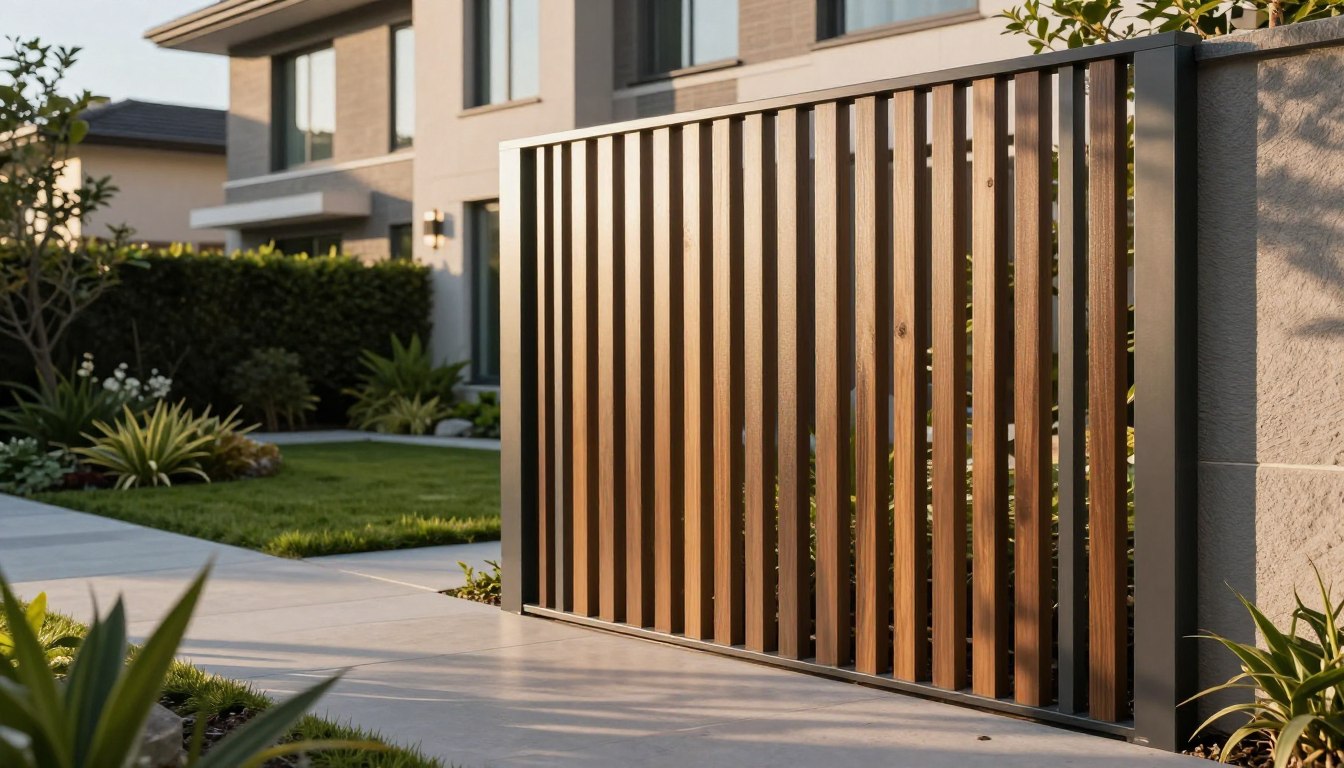
Choosing between vertical or horizontal fins changes how your space looks. Vertical fins give a modern look and make areas feel taller. Horizontal fins make spaces seem wider and fit well with modern designs. Before you start, think about where you need the most privacy based on sight lines from neighbors and public areas.
Make a plan with your installer to mark where the fins will go before they start. This step ensures your privacy fins work as planned without any surprises during installation.
Matching Your Project Needs with the Right Privacy Fin Setup
Choosing the right privacy fin system is key. It depends on what you want and what you can do. You have to pick between single or multi-fin setups. Each has its own benefits for privacy, looks, upkeep, and cost.
Single Fin Systems for Stability
Single fin systems use wide panels, 24 to 48 inches. They are simple and cheaper to install. These wide panels make a strong statement in your home’s design.
They’re great for big areas like outdoor spaces and dumpster covers. Single fins also stand up to wind well. But, they might not let in as much light or air.
Multi-Fin Configurations for Enhanced Control
Multi-fin setups have narrower fins, 4 to 12 inches wide. They offer more control over privacy and light. These are perfect for places like restaurant patios and building sides.
They add a nice rhythm to your space. You can replace just one fin if it breaks, saving money. They’re great for fancy decks and homes. Your choice depends on how much privacy you need and your budget.
| Configuration Type | Panel Width | Best Use Cases | Key Benefits | Trade-offs |
|---|---|---|---|---|
| Single Fin Systems | 24-48 inches | Equipment enclosures, dumpster screening, outdoor backdrops | Lower costs, quick installation, wind resistance, bold aesthetics | Limited light and air flow control |
| Multi-Fin Configurations | 4-12 inches | Residential decks, restaurant patios, commercial facades | Privacy balance, individual fin replacement, visual detail, ventilation control | Higher installation costs, more maintenance points |
Think about what you really need. Do you want more privacy or openness? Consider your budget and how flexible you need to be. Your choices will help you find the perfect privacy fin system for your project.
Sizing Your Privacy Fins Correctly
Getting the right privacy fin sizing starts with understanding your space. You need to measure key distances and think about how people will view your area. This ensures your fins provide real privacy while looking good. By carefully measuring, you avoid costly mistakes and get the look you want right away.
Start by figuring out the sight line height for your spot. Stand where you need privacy and measure from the mounting surface to your eye level. For most standing positions, this is between 5 to 6 feet. If there are seated areas, add 3 to 4 feet to your measurement. Then, add 1 to 2 feet to cover ground level and different viewer heights. This helps you find the right privacy fin height for your space.

The distance from your privacy fins to viewers matters a lot. Taller fins or closer spacing is needed for those standing near. The 60-degree angle rule helps here—your fins should be high enough that viewers can’t see over them at a 60-degree angle. This rule makes sure your fins are the right height for your needs.
For residential spaces, 7 to 8-foot fins work well. Commercial areas and higher viewing spots need 10 to 12-foot fins. But, taller fins face more wind forces, so check if your mounting surface can handle it. Privacy fin sizing options from pros already consider these wind loads.
| Application Type | Recommended Fin Height | Recommended Width | Best For |
|---|---|---|---|
| Residential Deck Privacy | 6-8 feet | 6-8 inches | Standing eye level screening |
| Ground-Level Screening | 7-8 feet | 12-24 inches | Perimeter fencing areas |
| Equipment Enclosures | 8-10 feet | 18-36 inches | HVAC and utility unit coverage |
| Elevated Viewpoints | 10-12 feet | 24-48 inches | Upper-floor viewing positions |
| Commercial Installations | 10-15 feet | 36-48 inches | Large-scale property screening |
Fin widths affect both look and how fast you can install them. Narrow fins, 6 to 8 inches, create a detailed look. Wider fins, 12 to 24 inches, make installation faster but need more planning. Very wide fins, 36 to 48 inches, make a bold statement but require careful planning. Your choice depends on your design and the mounting surface’s strength.
Remember wind loads when planning your privacy fin sizing. Taller fins face more wind forces. For fins over 8 feet in windy areas, get advice from structural engineers. Aluminum and steel with powder coating or anodizing finishes are durable and support various heights. Working with experienced manufacturers ensures your fins meet both looks and safety standards for the long term.
Installation Systems and Mounting Methods
How you install your privacy fins is key to their performance. The method you pick impacts stability, cost, and future changes. Knowing your options helps you choose the right mounting strategy for your project.
Fixed Installation Options
Fixed privacy fins are great for when your design is set. They attach directly to posts or beams using bolts, welding, or adhesives. This method offers top stability and wind resistance, without any movement.
Surface-mount brackets allow you to attach fins to existing structures without major damage. Embedded post systems set fin posts in concrete, perfect for tall fins in windy areas. Fixed privacy fins are often cheaper than adjustable ones.
Adjustable Box Systems
Adjustable privacy fins offer flexibility for changing needs. Track or channel systems use rails with clips for easy fin repositioning. This way, you can change spacing or replace fins without issues.
These adjustable fins cost 20 to 40 percent more than fixed ones. Hybrid systems mix fixed posts with adjustable panels, balancing stability and flexibility. Your choice depends on your budget, timeline, and future plans.
| Installation Type | Cost Level | Stability | Flexibility | Best Use |
|---|---|---|---|---|
| Direct-Mount Fixed | Low | Excellent | None | Permanent architectural features |
| Surface-Mount Brackets | Low to Medium | Very Good | Limited | Retrofitting existing structures |
| Embedded Post System | Medium | Excellent | None | Tall freestanding installations |
| Track/Channel Adjustable | High | Good | Excellent | Evolving privacy needs |
| Hybrid Fixed-Adjustable | Medium to High | Very Good | Good | Balanced performance and change |
Choose the right fasteners, weather sealing, and reinforcement for your specific needs and environment.
Fine-Tuning Privacy Fin Position for Optimal Results
After installing your privacy screening solutions, the real work begins. Small adjustments to your privacy fin placement can make a big difference. Your investment deserves proper fine-tuning to deliver the privacy and visual appeal you want.
Height adjustments are one of the easiest ways to improve performance. If you’re using adjustable mounting systems, raising fins by just 6 to 12 inches can close sight line gaps you notice after installation. Lowering fins slightly helps improve proportions and reduces wind resistance when privacy levels are already adequate. Each inch of adjustment affects how views are blocked from different angles.
Angle modifications matter more than many people realize. Tilting fins 10 to 15 degrees off-vertical redirects sight lines more effectively. This approach creates interesting shadow patterns while screening from specific viewing positions. Different angles work better for different situations depending on where you need the most privacy.
Spacing between fins dramatically changes both privacy level and light transmission. Adjusting fin positions by just 1 to 2 inches shifts how much air flows through your privacy screening solutions. Wider spacing increases light while maintaining disrupted sight lines. Narrower spacing boosts privacy at the cost of reduced light and airflow.
The trial view method helps you identify exactly where gaps exist. Have someone stand at the location you want to protect while you observe from outside. Mark where you can see through, then adjust.
| Adjustment Type | Change Range | Privacy Impact | Light Impact |
|---|---|---|---|
| Height Increase | 6-12 inches | Closes upper sight lines | Slightly reduces light |
| Angle Adjustment | 10-15 degrees | Redirects views effectively | Creates shadow patterns |
| Spacing Wider | 1-2 inches | Maintains disrupted views | Increases light flow |
| Spacing Narrower | 1-2 inches | Boosts privacy coverage | Reduces light penetration |
Seasonal adjustments keep your privacy fin placement working year-round. Summer and winter may require different configurations based on vegetation changes and how your space gets used. Document your final settings with measurements and photos for future maintenance and adjustments.
For fixed installations, evaluate performance after a few weeks of observation. Plan modifications using add-on fins or supplemental screening if gaps remain. Understanding these fine-tuning principles helps you achieve optimal results and adapt as your needs change over time.
Conclusion
You now know how to pick and put in privacy fin systems that fit your needs. The main choices are about the fin’s height and material. These depend on your privacy needs and the environment.
Whether to go for fixed or adjustable systems depends on your budget and needs. Where and how you place them is key. It’s all about finding the right balance between privacy, light, and air.
Choosing architectural privacy fins means thinking about your whole project. Consider sight lines and what your structure can handle. Set realistic beauty goals and think about upkeep costs.
Remember, your budget is key. Focusing too much on one thing can lead to issues. Plan well to avoid costly changes later. Make a diagram of where people can see into your space.
Talk to experts about what your walls can bear. Ask for samples from top privacy fin makers like leading privacy fin suppliers. Get quotes from installers who know their stuff.
If money is tight, start with the biggest privacy issue. Build your privacy fins in stages if needed. The right fins will last years, adding value and function to your property.