Choosing the right metal wall panels is a big decision for your building project. Metal has been a trusted material in construction for over 200 years. It brings strength and durability to your project, just like it has for centuries.
Metal panels became popular as a cladding solution in the mid-1800s. Over time, experts have made these systems better. Your customized metal panel choice can offer lasting performance and meet your design goals.
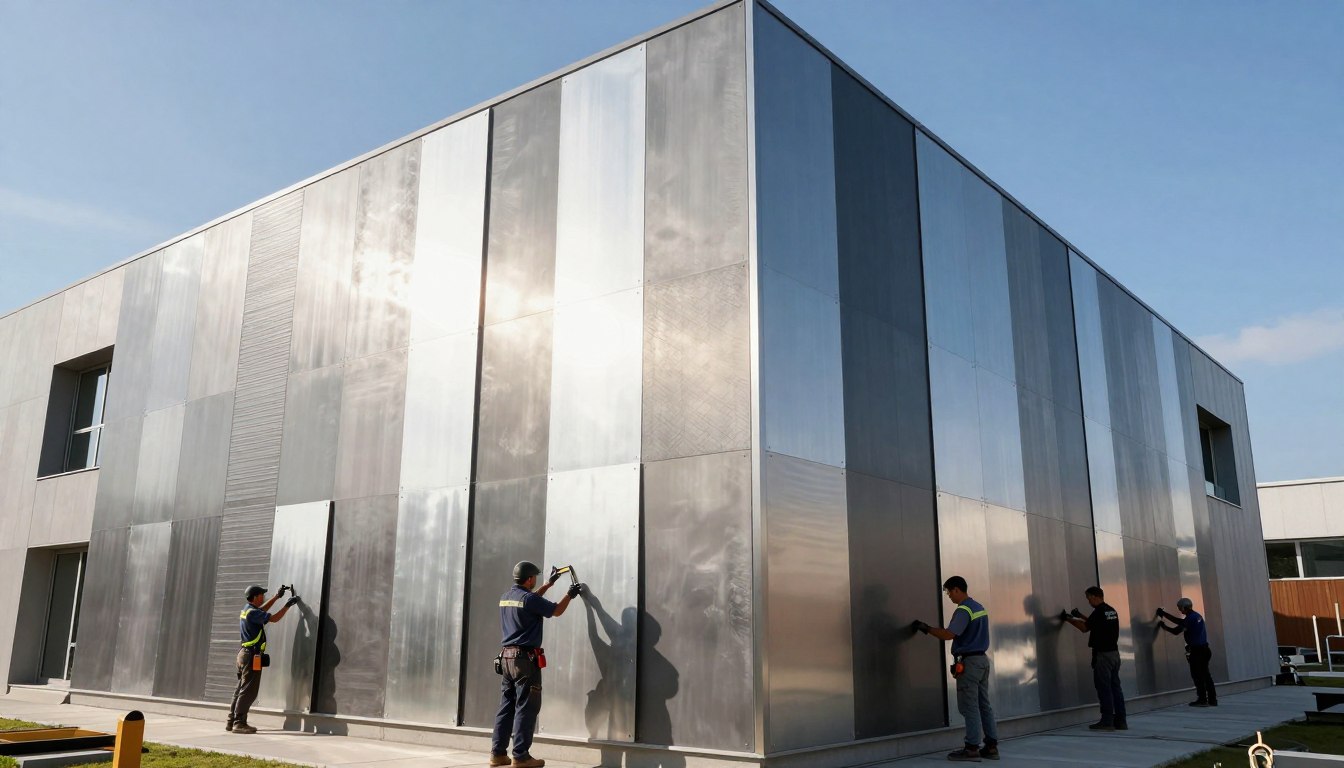
Today, metal wall panels do more than just protect. They offer weather resistance, structural strength, and design flexibility. These panels are great for homes, commercial buildings, and industrial facilities across the United States.
Metal panels have changed how buildings are built. They let structures be taller and stronger while using less material. Your project can benefit from these engineering advantages with the right metal panel choice.
Choosing the perfect metal wall panels starts with knowing your options. You need to pick materials that fit your climate. You also need to think about your design vision and budget.
This guide will help you through the metal panel selection process. You’ll learn about the systems’ benefits and how to find the right panels for your project.
Key Takeaways
- Metal panels provide proven durability and strength dating back over 150 years in construction
- Customized metal panels work for residential, commercial, and industrial building projects
- Modern metal wall panels combine traditional durability with contemporary design flexibility
- Metal panels allow buildings to achieve greater heights and strength with reduced material weight
- Your metal panel choice impacts both long-term performance and visual appeal of your structure
- Understanding material options and climate factors helps you select the ideal panels for your location
Understanding the Versatility of Metal Wall Panel Systems
Metal panel systems are key in modern building, giving architects and builders great flexibility. They mix beauty with function. Architectural metal panels offer design freedom while keeping buildings strong and lasting.
These systems fit any project, from commercial to residential to industrial. They adapt to your vision.
The use of metal in building has grown over centuries. It started with basic structures and now includes advanced cladding. This evolution allows buildings to be creative and meet high standards.
Your building benefits from years of improvement in making metal panels. They work well in different climates.
Why Metal Panels Have Dominated Construction for Over a Century
Metal panels became top choice for cladding in the mid-19th century. They changed building design. Metal panels allowed for taller, more open buildings.
These panels are known for lasting a long time. Even old buildings stand strong, showing metal’s value. Metal fights off weather, fire, and stress better than other materials.
This made metal panels the go-to for tough projects.
| Construction Era | Metal Panel Development | Key Advantages |
|---|---|---|
| 1700s-1800s | Early metal structural components | Improved building heights and strength |
| Mid-19th Century | Metal rises as primary cladding | Weatherproofing and aesthetic options |
| 20th Century | Advanced coating and finish systems | Extended lifespan and color variety |
| 21st Century | Custom digital design capabilities | Complex geometries and personalization |
Design Freedom: From Frank Gehry to Your Custom Vision
Architects like Frank Gehry have made metal panels artistic. His designs show what’s possible with metal. Zaha Hadid’s work also shows metal’s versatility.
These designs are not just for famous architects. You can make your project unique too. Modern tech lets you choose custom profiles and finishes.
Whether you want simple or complex designs, metal panels can be it. Each project becomes a unique expression of your vision.
Metal panel systems offer complete creative freedom. You can choose standard designs for efficiency or go custom for a landmark. Your imagination is the only limit.
Types of Metal Panel Systems for Your Building Project
Choosing the right metal panel system is key for your project’s success. It affects how well your building works, looks, and fits your budget. Each type of panel has its own benefits, depending on what you need.
Single Skin Metal Panels: Concealed vs Exposed Fastener Systems
Single skin metal panels are a cost-effective choice for many projects. They are made from metal without insulation. Your choice between concealed and exposed fasteners depends on your budget and how fast you need the job done.
Concealed fasteners give a sleek look by hiding the fasteners. They also allow for movement in extreme temperatures. This option is pricier but looks better and lasts longer.
Exposed fasteners are quicker to install. They save money on materials and labor. This method is great when you’re on a tight budget and need things done fast.
Insulated Metal Panels for Energy Efficiency
Insulated metal panels combine cladding and insulation in one. They offer top-notch thermal performance and meet energy codes. They’re also faster to install than traditional systems.
These panels are perfect for many buildings, including warehouses and schools. They help you earn LEED credits and save on labor costs. They’re a smart choice for energy efficiency.
| Building Type | Primary Benefit | Energy Performance |
|---|---|---|
| Warehouses | Cost-effective thermal control | Meets energy codes |
| Cold Storage | Superior insulation properties | Exceeds code requirements |
| Schools & Hospitals | Fast installation | LEED-eligible |
| Airports & Stadiums | Quick assembly time | Energy efficient |
Plate Panels and Metal-Faced Composites
Plate panels offer endless design possibilities. They can be custom-made to fit your vision. Your building can look truly unique.
Metal-faced composites are a budget-friendly option for creative designs. They combine a thermoplastic core with metal for a cost-effective look. Perforated metal adds a decorative touch without breaking the bank.
Key Benefits of Metal Wall Panels for Your Construction Needs
Metal wall panels offer great value in many ways for your construction project. Choosing metal cladding or siding brings benefits that last long after installation. These benefits help speed up your project, cut down on labor costs, and reduce maintenance expenses for decades.
Investing in metal panels means little upkeep for 20 to 30 years. Unlike other materials, metal siding stays strong and looks good with just simple care. You’ll do annual checks and maybe wash it with water sometimes. In tough weather, you might need to check it more and replace parts when needed.
Installing metal panels is much faster than brick, stone, or EIFS. This means your project gets done quicker, saving on labor costs. Your project will finish weeks sooner, which can also save on financing costs.
Metal siding gives you lots of design options. You can put panels up horizontally or vertically to fit your design. You can also choose custom colors and finishes to make your building stand out.
Choosing metal cladding is also good for the environment. Your panels can be fully recycled when they’re done, and installing them creates little waste. This helps you meet green building standards and saves on waste disposal costs.
| Benefit Category | Impact on Your Project | Long-Term Value |
|---|---|---|
| Low Maintenance | Annual inspections and plain water washing | 20-30 years of minimal upkeep costs |
| Fast Installation | Reduced labor time and earlier completion | Lower financing expenses and faster occupancy |
| Design Versatility | Horizontal or vertical orientation options | Distinctive brand recognition through custom colors |
| Sustainability | Minimal construction waste during installation | Complete recyclability at end of lifecycle |
Choosing the Right Metal Material for Your Customized Metal Panel
Choosing the right metal material is key to your project’s success. It affects both its look and function. You need to think about your budget, the weather, the look you want, and how long it will last. Experts in custom metal fabrication work with four main metals, each with its own benefits.
Stainless Steel: Strength and Polished Finish
Stainless steel is great for areas that need a lot of strength and can handle impacts well. It’s perfect for busy places and big spaces. It also doesn’t rust easily, thanks to a natural process.
Stainless steel panels look clean and modern. They cost between $25 to $50 per square foot. This makes them a top choice for commercial designs.
Aluminum: Affordable Durability for Coastal Environments
Aluminum is a smart choice for places near the sea. It’s cheaper than other metals but lasts a long time in salty air. It can last 40 to 50 years, which is longer than many other materials.
Aluminum is also good for places where salt can damage other metals. It’s a cost-effective option for seaside areas.
Zinc and Copper: Premium Long-Lasting Options
Zinc lasts a long time, up to 80 to 100 years, thanks to its self-healing properties. Copper also lasts a long time and doesn’t need any extra protection. Both are more expensive, costing $20 to $50 per square foot.
They are worth the extra cost for their natural beauty and ability to withstand the elements for decades.
| Metal Material | Cost Per Square Foot | Lifespan | Best Use Case |
|---|---|---|---|
| Stainless Steel | $25–$50 | 25+ years | High-traffic areas, larger spans |
| Aluminum | Up to $20 | 40–50 years coastal | Coastal environments, salt exposure |
| Zinc | $20–$50 | 80–100 years | Exterior natural finishes, premium durability |
| Copper | $30–$50 | 80+ years | Distinctive aesthetics, extreme durability |
If you’re watching your budget, consider painted steel or aluminum. They can look like natural materials but cost less. Always use protective coatings in harsh environments. Working with custom metal fabrication experts helps you find the right material for your needs and budget.
Engineering Design Considerations for Your Metal Panel Project
Your metal panel project’s success relies on good engineering design. This design must follow local building codes and environmental conditions. Engineers ensure your project is safe, reliable, and passes inspections without delays.
The choices you make about panel materials and designs must meet specific regulatory requirements. Your site’s climate, wind exposure, and seismic activity all affect the technical specifications needed for your system.
Meeting State Codes and Testing Requirements
Building codes vary by state and municipality, making compliance key for your project. Your location determines which performance standards apply. Wind resistance, fire ratings, seismic performance, and structural loading requirements differ significantly by location.
Before choosing your panels, ask for test reports and certifications from manufacturers. Your panels must have been tested in accredited labs specific to your local jurisdiction.
If your chosen panel system doesn’t meet your area’s standards, it’s disqualified. This oversight can lead to expensive delays if found late in construction. Work with licensed engineers to verify your customized metal panel options include the necessary documentation. These professionals review test data and ensure all specifications meet building codes before installation starts.
Climate and Location Factors
Your site conditions affect the engineering specs for your commercial metal panels system. Coastal areas need enhanced corrosion resistance and stronger wind load capacity. Salt spray exposure requires protective finishes and materials like aluminum or steel with superior durability ratings.
Cold climates with heavy snow loads need structural capacity to prevent damage and condensation issues.
| Climate Factor | Impact on Design | Required Specifications |
|---|---|---|
| High Wind Exposure | Increased structural stress on panels | Enhanced fastening systems and reinforced connections |
| Heavy Snow Loads | Weight compression on roof and walls | Increased panel thickness and structural support |
| Coastal Salt Spray | Accelerated corrosion of metal surfaces | Protective finishes and corrosion-resistant materials |
| Extreme Temperatures | Material expansion and contraction cycles | Thermal breaks and flexible fastening systems |
| High Humidity | Risk of condensation and moisture damage | Vapor barriers and proper ventilation design |
| Seismic Activity | Dynamic movement of building structure | Flexible connections and lateral bracing systems |
Temperature extremes cause metal expansion and contraction, needing flexible fastening systems. Humidity levels affect moisture management strategies and vapor barrier needs. Seismic activity requires lateral bracing and flexible connections for movement without compromising structure.
Professional engineers analyze these climate factors. They develop specifications ensuring your panels perform reliably and meet all applicable codes.
Customizing Your Metal Building System: Interior Layout and Space Planning
Your metal building design choices affect how well you use your space. Modern steel buildings are very flexible in planning your space. They offer three main frame types for customization.
Clearspan frames give you open space without columns. They’re great for warehouses and places where you need to move things around. Multi-Span frames have columns but are cheaper for big buildings. Single-Slope frames have a unique roof that adds height on one side, perfect for modern looks.
Each frame type comes in different sizes and roof slopes. This lets you control your building’s look and space. You can plan your space exactly to fit your needs.
| Frame Type | Best For | Key Advantages | Column Placement |
|---|---|---|---|
| Clearspan | Warehouses, manufacturing, recreation centers | Maximum flexibility, unobstructed floor plan | No interior columns |
| Multi-Span | Large buildings, diverse applications | Economic construction, substantial open areas | Strategic interior placement |
| Single-Slope | Modern designs, contemporary aesthetics | Dramatic roofline, maximized wall height | One elevated side support |
Building Information Modeling (BIM) changes how you design metal buildings. It creates 3D models before you start building. This lets you see your design, find problems early, and use space better.
Investing in metal building systems means you get more flexibility than traditional buildings. Steel buildings are efficient and cost-effective, giving you the space you need.
Exterior Finish Options to Enhance Your Building's Curb Appeal
Your building’s exterior is the first thing people see. The right metal panels make a strong statement and protect your investment for years. Today’s finishes let you control how your building looks and performs.
Modern metal panels resist fading and chalking, keeping your building looking great for years. You can choose finishes that match your brand or blend with the surroundings.
Color Selection and Multi-Tone Combinations
Choosing the right metal panel colors is key. Classic neutral tones look professional everywhere. Bold colors make your building stand out and reinforce your brand.
Using multi-tone combinations adds depth and interest. Contrasting colors for trim or bands enhance your building’s look. These designs are more sophisticated than single colors.
| Color Category | Best Uses | Visual Impact |
|---|---|---|
| Classic Neutrals | Professional offices, residential areas | Timeless, blends with surroundings |
| Bold Colors | Retail, branding, landmarks | Strong brand presence, eye-catching |
| Multi-Tone Designs | Contemporary projects, mixed-use | Dynamic, adds architectural depth |
Integrating Wood, Stucco, and Stone Finishes
Exterior metal panels look great with other materials. Adding wood, stucco, or stone creates warm facades. This mix lets you achieve traditional looks while keeping metal’s durability.
Your metal panels can blend smoothly with other materials. This approach offers the benefits of metal while creating unique designs. With various profiles and trim, your building will stand out.
Roofing Profiles and Panel Styles for Optimal Performance
Your metal roofing system protects your building from weather and shapes its look. Choosing the right metal panel profiles balances performance, looks, and cost. Your roof choice affects your building’s durability and appearance for years.
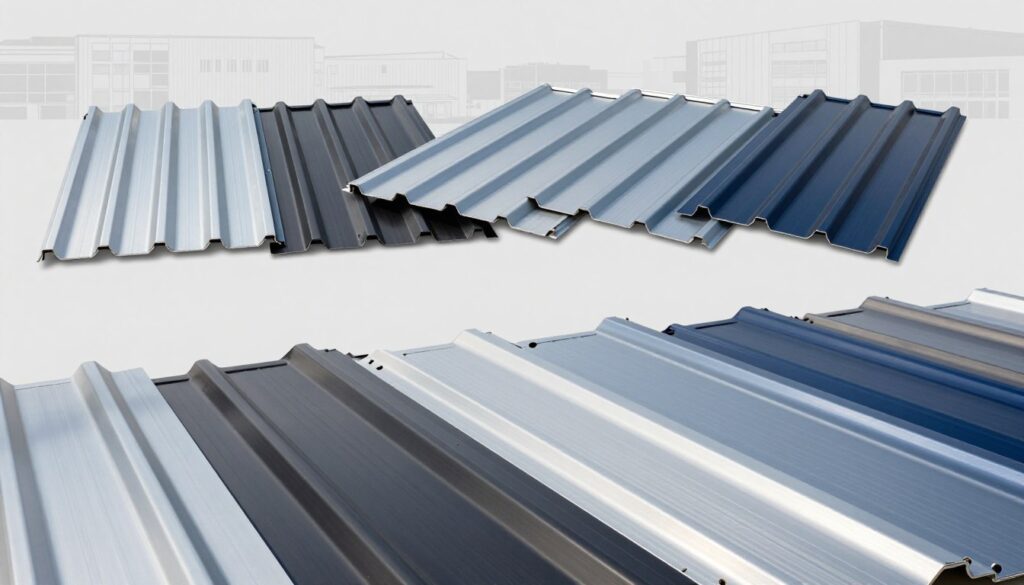
PBR (Purlin Bearing Rib) panels are a top choice for many. They have a trapezoidal rib pattern for strong structure and water drainage. These panels are great for buildings needing cost-effective, reliable roofing.
Tuff-Rib panels offer a unique look with deeper ribs for stronger shadow lines. They are perfect for designs needing longer spans. Reverse Rolled PBR panels combine standard PBR strength with a different look. Each profile is designed for strength, water shedding, and durability.
| Roofing Material | Gauge/Thickness | Finish Options | Best For |
|---|---|---|---|
| Steel | 28 ga. to 22 ga. | Painted, Galvalume, Coated Galvanized | Budget-conscious projects with standard durability needs |
| Aluminum | .027″ to .040″ | Painted finishes | Coastal environments and lightweight applications |
| Copper | 16 oz. to 20 oz. | Natural patina development | Premium projects requiring unmatched longevity |
Panel widths from 12″ to 22″ affect the roof’s look and installation speed. Narrow panels have more rib lines, while wider panels offer a bolder look with fewer panels.
Understanding best metal roofing panel profiles for commercial use is key. Different profiles suit various climates, codes, and looks. Your choice ensures your building withstands weather and looks professional for years.
Steel is economical and reliable in most areas. Aluminum is best for coastal areas due to its corrosion resistance. Copper is premium, lasting long and developing a unique look. Your location, budget, and needs help choose the best material and profile.
Interior Applications: Using Metal Panels Beyond Exterior Walls
Metal panels have moved beyond just being exterior cladding. Now, they transform commercial and residential spaces into modern, durable places. They can be used as decorative elements, adding beauty and function to your project.
Commercial and Industrial Interior Uses
Installing metal panels in warehouses or factories makes them durable and easy to maintain. They resist chemicals, rust, and heat, and are easy to clean. This meets the high standards of manufacturing hygiene.
In schools, metal panels in hallways can handle a lot of foot traffic without needing frequent repainting. This is a big advantage over traditional drywall.
Healthcare facilities benefit from metal panels with antimicrobial treatments. This helps control infections. Restaurants can use metal panels in kitchens to resist heat and moisture, while dining areas can have a modern look that attracts customers.
Data centers and recording studios get fire resistance, security, and sound isolation from metal panels. For more on using metal panels inside, check out what works and what doesn’t to ensure they’re installed right.
Residential Accent Walls and Modern Aesthetics
Modern metal panels are no longer just industrial-looking. You can find woodgrain, rust, copper, and custom designs that warm up spaces. A modern loft can get an industrial chic look with metal panels.
Accent walls in fireplaces, dining rooms, or home bars can add drama and interest. Kitchen backsplashes in stainless steel or copper give a sleek, professional look that’s easy to clean. Laundry rooms and mud rooms stay moisture-resistant and durable.
You can even cover damaged walls with metal panels, saving on demolition costs. This is a quick and effective solution.
| Interior Application | Key Benefits | Best Panel Type |
|---|---|---|
| Warehouses & Factories | Chemical resistance, easy cleaning, durability | 22-28 gauge steel |
| School Hallways | High-traffic durability, low maintenance | 28 gauge with bright white finish |
| Healthcare Facilities | Antimicrobial properties, hygiene compliance | Treated steel panels |
| Restaurant Kitchens | Heat and moisture resistance | Stainless steel or galvanized |
| Residential Accent Walls | Modern aesthetics, design flexibility | Flush wall or board-and-batten profiles |
| Kitchen Backsplashes | Sleek appearance, easy maintenance | Copper or stainless steel |
| Basement Finishing | Moisture resistance, mold prevention | Aluminum or coated steel |
| Laundry Rooms | Moisture resistant, withstands wear | Treated or galvanized panels |
For interior use, panels range from 28 to 22 gauge steel, .027″ to .040″ aluminum, and 16 to 20 ounce copper. Widths are 12″ to 22″, with a max of 25″ including reveals. Flush wall panels offer seamless surfaces, while board-and-batten profiles add depth. Your choice depends on the function, environment, and design you want.
Structural Additions and Building Accessories to Maximize Functionality
Your metal building is more than just a shell. It’s a flexible platform that can grow with your business. Adding structural elements and accessories can turn your space into a powerhouse. You can add more vertical space, better lighting, or protect against the weather.
Mezzanine floors are a great addition to your metal building. They add extra space for offices, storage, or equipment without needing a bigger building. This is a smart choice for growing businesses. The I&E Construction Operations Building in Woodburn, Oregon shows how mezzanines and cranes improve workflow.
Overhead crane systems are a big help for heavy-duty work. They support manufacturing and maintenance by lifting heavy loads. Your building gets top-notch equipment without losing space or efficiency.
Architectural Features and Weather Protection
Fascias, canopies, and extended eaves do more than look good. They hide structural parts and support signs. Canopies and eaves also protect your building from the elements. They make your building look better and keep it safe from weather.
Complete Metal Building Accessories for Enhanced Performance
Choosing the right accessories boosts your building’s performance. Skylights and translucent panels let in natural light, saving energy and improving mood. Ventilators keep the air fresh, which is key for workers and animals.
Gutters and downspouts keep your building dry and your yard safe. Trim packages make your building look polished and professional. They show off your attention to detail.
| Door Type | Primary Use | Key Advantage |
|---|---|---|
| Overhead Doors | Warehouses, Automotive Shops, Manufacturing | Large clear openings for equipment and vehicle access |
| Walk-Through Doors | Personnel Access Points | Convenient entry with multiple security options |
| Bi-Fold Hangar Doors | Aircraft Storage, Large Equipment | Maximum clear opening without external space requirements |
| Hydraulic Stack Doors | Heavy-Duty Industrial Facilities | Reliable operation in demanding environments |
| Sliding Doors | Loading Areas, Equipment Bays | Space-efficient operation for tight installations |
Choosing the right windows is important. They let in light, save energy, and look good. Fixed windows offer daylight without moving parts. Operable windows let in fresh air. Clerestory windows bring light into your space without taking up wall space. Glass storefronts make a strong first impression for retail and offices.
Insulation keeps your building comfortable and saves on energy costs. Adding structural elements and accessories makes your building efficient and adaptable. It meets your needs now and grows with your business.
Hiring the Right Contractor for Your Metal Panel Installation
Choosing the right metal panel contractors is key to a lasting project. Your metal panels are a big investment in your building’s look and function. Poor installation can lead to costly repairs and damage.
It might seem cheaper to pick the lowest bidder. But, think about the cost of fixing bad work. You’ll pay for materials and labor twice, and might face water damage or structural issues.
Metal panel installation needs special skills and tools. General contractors often don’t have what it takes. Your project needs to handle thermal movement, fastener placement, sealant, and flashing to keep water out.
Take your time to find qualified contractors. This protects your investment and ensures your project is done right the first time.
Research and Verification Steps
Start by looking online for metal panel contractors in your area. Read reviews on Google, Yelp, and industry sites. Ask friends and neighbors about their experiences.
Next, check if contractors have real metal panel experience. Ask for references and contact them. Make sure they have the right insurance and licenses for your state and project.
Comparing Quotes and Contract Details
Get at least three detailed quotes from different contractors. Compare what each includes: panel specs, trim, fasteners, sealants, and more. Be wary of vague proposals.
| Comparison Element | What to Examine | Red Flags |
|---|---|---|
| Material Specifications | Panel type, gauge, finish, color matching all quotes | Vague material descriptions or substitutions without approval |
| Scope of Work | Complete list of all components and labor included | Missing trim, flashing, fasteners, or sealants from the quote |
| Project Timeline | Start date, completion date, weather delay provisions | No completion deadline or unrealistic timeframes |
| Warranty Coverage | Material warranties and labor warranty duration | No warranty offered or excessively short coverage periods |
| Payment Schedule | Tied to project milestones, not large upfront payments | Requests for fifty percent or more payment before work begins |
| Insurance Verification | Current certificates of insurance from the carrier | No insurance, expired coverage, or contractor-provided certificates only |
Your contract should match your approved quote and include a clear payment schedule. It should also have start and completion dates, warranty info, insurance certificates, and more. Both parties should sign before work starts. This protects your interests and sets clear expectations for a successful project.
Conclusion
You now know how to choose the right metal panels for your project. This article showed how metal wall panels help architects and property owners. They are great for commercial, residential, and industrial projects.
Metal building systems from companies like Pacific Building Systems are durable and customizable. This knowledge helps in planning your project.
Metal panels are strong against weather, time, and heavy use. They protect your building and need little upkeep for decades. You can pick from single skin, insulated, or plate panels based on your needs.
Your choice of metal panels impacts performance and costs. Materials like stainless steel, aluminum, zinc, or copper offer different benefits for various climates and budgets.
When planning your project, consider engineering, codes, and looks. You can customize interior layouts and exterior finishes. These choices help create a building that looks good and works well.
Next, talk to metal panel makers about your needs. Work with design experts to plan your building. Then, get quotes from contractors. Knowing about metal building systems helps you make smart choices for your structure.