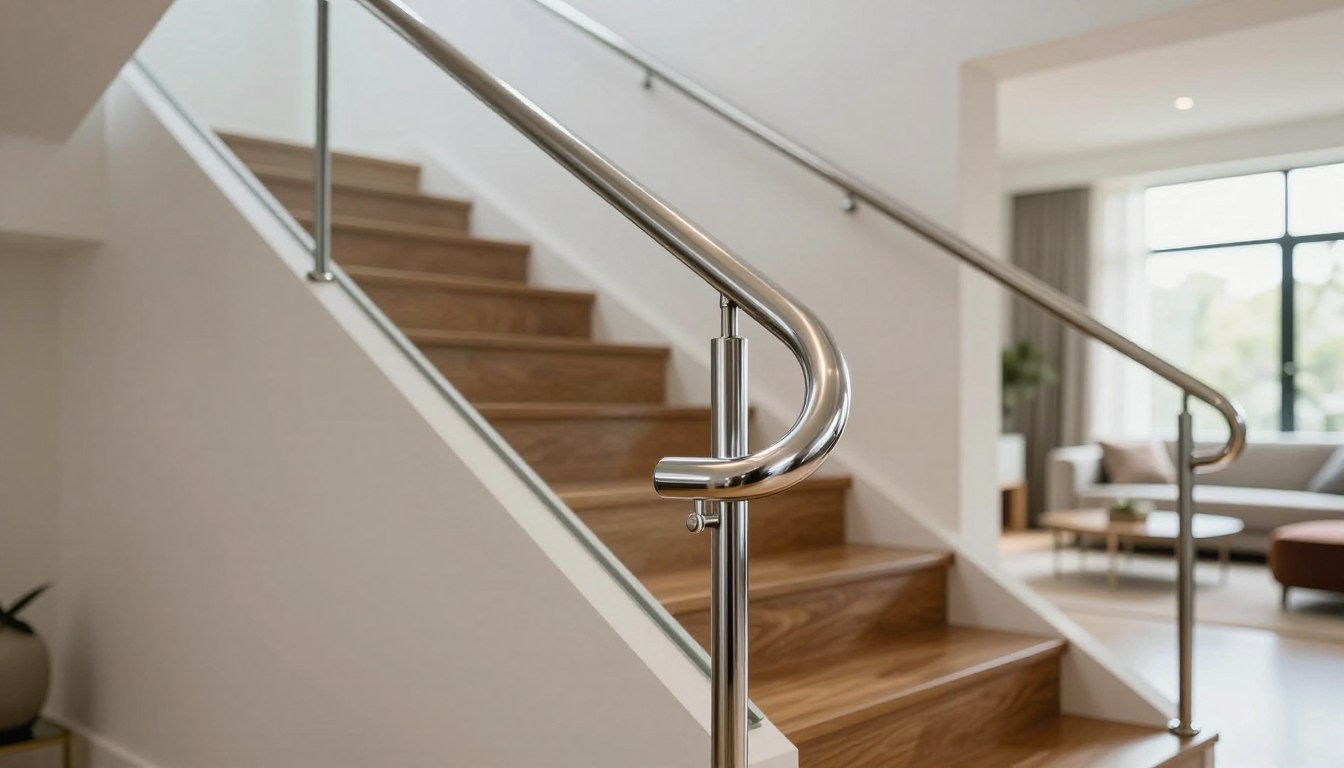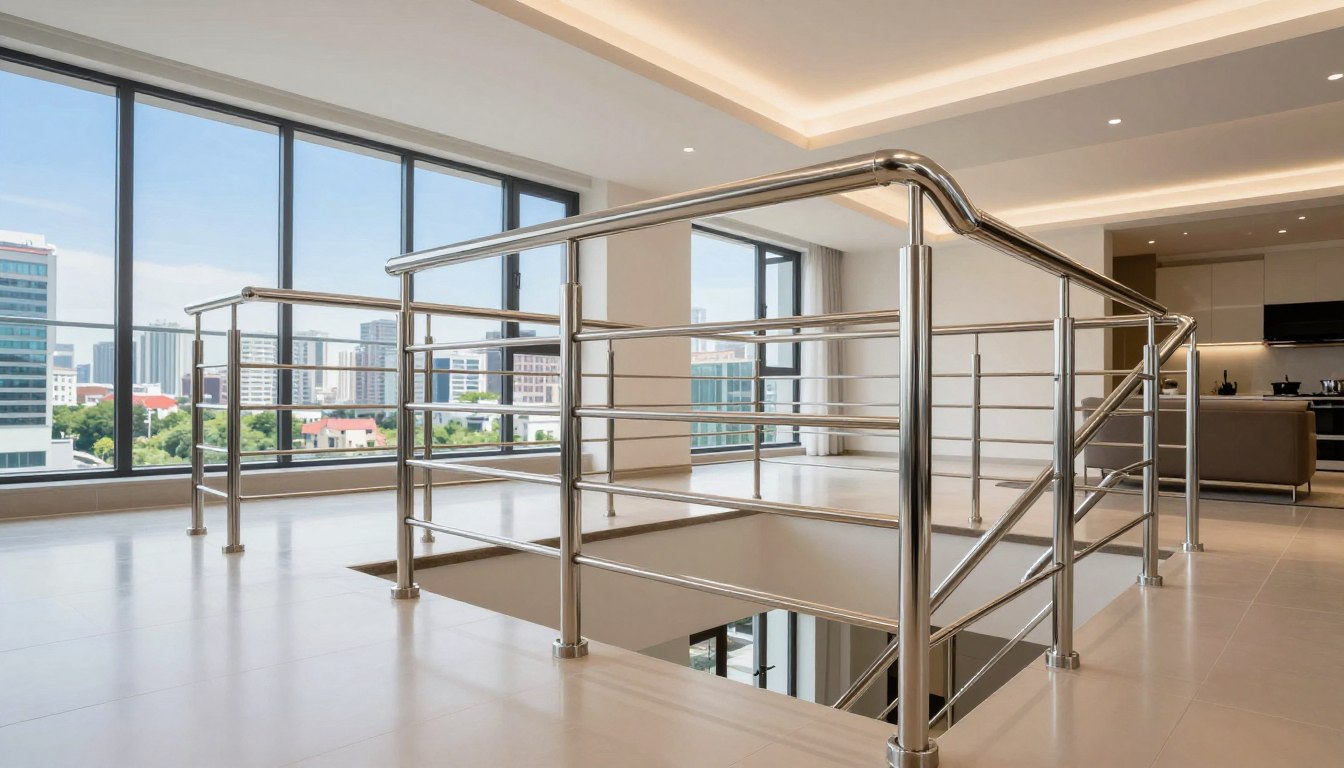
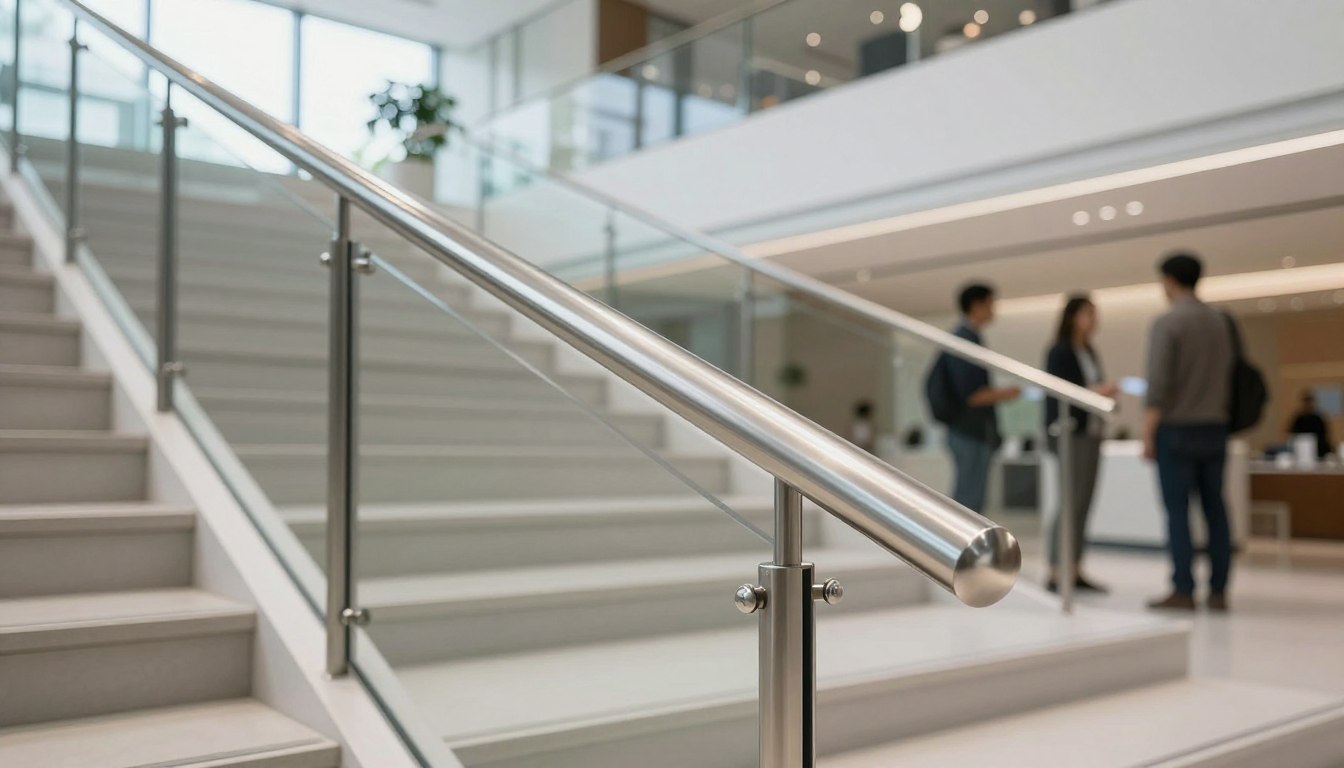
Your building’s handrail system shows your design vision. Stainless steel has become more than just a safety feature. It’s now a key architectural element.
Modern handrail design requires materials that look as good as they perform. Your choice of SS handrail affects how people see your space.
Contemporary railing trends show a big change. Architects and builders now see handrails as key parts of a building’s look. Your modern handrail design can make spaces feel bright, open, and secure.
Stainless steel meets today’s space needs. It combines strength with beauty in a unique way. Choosing stainless steel railings means you’re getting lasting performance and style.
The mix of safety needs and design innovation opens new chances for your projects. Stainless steel meets safety standards and offers the sleek looks of 2026 architecture. Your handrail choice shows your commitment to quality and vision.
Key Takeaways
- Stainless steel handrails are now central design elements in premium residential and commercial projects
- Modern handrail design prioritizes the balance between safety and visual sophistication
- Contemporary railing trends emphasize minimalist and transparent systems for open spaces
- Your handrail choice impacts the overall aesthetic and functionality of your building
- SS handrails provide durability and elegance that define contemporary architecture
- Design innovation in railings creates brighter, more open interior and exterior environments
Why SS Handrails Define Contemporary Architectural Design
Modern architecture loves clean lines and open spaces. It also values materials that are functional but don’t draw attention. Stainless steel handrails fit perfectly into this philosophy. They offer the lightness needed for today’s projects while providing the strength your building requires.
These systems blend into the background, letting your design’s true essence shine. This is key to their appeal.
Today, design trends focus on honest materials and beauty that’s functional. Stainless steel meets these needs well. Unlike wood, it won’t warp, crack, or fade. It also keeps its look for decades with little upkeep.
Painted metals need constant touch-ups, but stainless steel stays clean for years.
The Shift Toward Minimalist and Transparent Structures
Today’s design aims for a clutter-free look. Choosing minimalist handrails reflects this shift. These railings now have hidden hardware and anchoring systems. This makes them blend seamlessly with staircases and landscapes.
They’re no longer just safety features. Instead, they’re architectural elements that enhance your space.
The trend of using glass and cable systems is growing. This makes your spaces feel more open and connected. It also keeps your viewlines clear and lets light flow freely.
How Stainless Steel Balances Strength with Visual Elegance
Stainless steel is rare in combining strength with a light look. Your handrails in stainless steel are strong yet slim. They outlast wood in busy areas and don’t corrode like painted metals.
This means they need little to no upkeep. They’re a durable choice for your building.
| Material Type | Durability | Maintenance Needs | Visual Profile | Lifespan |
|---|---|---|---|---|
| Stainless Steel | Excellent | Minimal | Slim and sleek | 30+ years |
| Wood | Fair | Extensive | Bulky | 15-20 years |
| Painted Metal | Good | Regular refinishing | Variable | 10-15 years |
| Aluminum | Good | Moderate | Slim | 20-25 years |
Choosing stainless steel handrails shows you value durability and low maintenance. They come in finishes that enhance light and have hidden fasteners. This results in handrails that serve their purpose without taking over your design.
Understanding Stainless Steel Grades for Optimal Performance
Choosing the right stainless steel grade is key for your railing project’s success. You have to pick between 304 and 316 stainless steel based on your project’s setting. Knowing these grades helps avoid expensive fixes and keeps your handrails working well for a long time.
304 stainless steel is great for inside spaces and areas with little outdoor exposure. It has chromium and nickel, making it resistant to corrosion in controlled settings. It’s a cost-effective choice for staircases, covered decks, and indoor balconies. Its strength and look meet today’s architectural needs.
For places near the sea, humid areas, or industrial zones, 316 stainless steel is the better option. It has more molybdenum, which fights off saltwater, chlorine, and chemicals. Your marine-grade railings made from 316 stainless steel won’t rust or change color over time. This grade keeps your investment safe in harsh environments where other materials don’t last.
| Grade | Chromium Content | Nickel Content | Molybdenum | Best Applications | Corrosion Resistance |
|---|---|---|---|---|---|
| 304 Stainless Steel | 18% | 8% | None | Interior spaces, covered decks, low-exposure areas | Good in normal conditions |
| 316 Stainless Steel | 16-18% | 10-14% | 2-3% | Coastal areas, pools, chemical exposure, high humidity | Superior against saltwater and chemicals |
Marine-grade railings are the top choice for coastal or high-risk projects. They use special materials and treatments to stop rust and oxidation. Your pool areas, oceanfront homes, and places with chemical exposure need this level of protection. Choosing the right grade saves you money in the long run.
Your supplier or installer can help pick the right material for your project. Making the right choice at the start means your stainless steel handrails will look great and last for many years.
Popular SS Handrail Systems Transforming Modern Spaces
Modern architecture often uses three main types of stainless steel handrails. Each type meets different needs while keeping up with today’s looks and building codes. Your choice depends on whether you want clear views, a fancy look, or a mix of looks and strength.
Cable Railing Systems for Unobstructed Views
Cable railing systems are becoming very popular in modern design. They use thin stainless steel cables to make barriers that are almost invisible. This way, you can see everything without any blocks.
These systems are great for decks, stairs, and balconies where you want to see everything. They give a light and open feel that today’s buildings need. The cables are spaced evenly and stay tight without any visible parts.
Glass-Integrated Designs for Luxury Applications
Glass railing systems mix stainless steel with glass panels. This mix is perfect for fancy homes, hotels, and high-end buildings. It adds a touch of luxury.
Stainless steel supports the glass, making it strong and clear. This is ideal for places by the water and fancy buildings. It’s a classy choice for those who want the best.
Rod and Bar Configurations for Commercial Projects
Commercial handrails use bars to make clear patterns. They’re great for schools, public areas, and places that need to last a long time. They look modern and are strong.
| System Type | Best For | Visual Appearance | Maintenance Level |
|---|---|---|---|
| Cable Railing Systems | Decks, balconies, waterfront views | Nearly invisible barriers | Low |
| Glass Railing Integration | Luxury homes, premium commercial | Transparent elegance | Medium |
| Commercial Handrail Systems | Schools, public spaces, institutions | Structured geometric patterns | Low |
Rod and bar systems are clear and modern. They’re easy to clean and last a long time. They’re perfect for places that need to look good and be strong.
Frameless and Invisible Edge Systems Leading Design Innovation
Modern architecture needs to be free from visual barriers. Frameless glass systems are at the forefront of railing design. They make glass the main focus, not just a safety feature. These systems use tempered glass panels and hidden stainless steel hardware.
They offer clear views, open spaces, and a smooth transition between inside and outside.
Invisible edge glass railing systems go even further. They use ultra-clear, low-iron glass that looks like regular glass. The stainless steel hardware is installed so it’s not seen, making it seem like the glass is floating. This is great for infinity pools, cliff-side terraces, and high-rise balconies where views are key.
Shoe-base glass railing systems attach to your floor with aluminum or stainless steel channels. These channels hold glass panels securely without visible posts or crossbars. Your handrails are completely clear, perfect for staircases, balconies, and mezzanines where openness is important.
Side-mounted glass railings have fittings that attach to the floor’s edge. This design removes vertical posts, creating a dramatic look. It turns ordinary spaces into modern showcases. The focus is on the glass, with minimal hardware.
| System Type | Primary Advantage | Best Application |
|---|---|---|
| Invisible Edge | Maximum view preservation | Outdoor terraces and pools |
| Shoe-Base | No vertical interruptions | Interior staircases and mezzanines |
| Side-Mounted | Floating appearance | Contemporary balconies |
Your choice of frameless glass systems depends on your project’s location and purpose. Each design offers a minimalist look while meeting safety and structural needs. The stainless steel hardware, though minimal, ensures durability and strength for your handrails.
Surface Finishes and Color Trends in Stainless Steel Railings
The look of your stainless steel handrails greatly affects your space’s overall feel. Today’s designs need finishes that are both beautiful and practical. The surface treatment you choose impacts maintenance and durability.
Popular finishes today follow modern trends and offer real benefits. They work well for both homes and businesses.
Brushed, Polished, and Matte Black Finishes
A brushed stainless finish is popular for its good looks and practicality. It hides fingerprints and scratches well and cuts down on glare. This finish keeps your space looking clean and modern, fitting many styles.
Polished stainless steel adds luxury to certain areas. Its shiny surface adds glamour to upscale places. But, it needs more cleaning because it shows fingerprints easily.
Matte black handrails are a growing trend. They offer a bold look thanks to advanced coatings. Pairing them with glass panels creates striking contrasts that fit minimalist designs.
Integrated LED Lighting for Architectural Ambiance
LED handrail lighting makes your railings stand out. It adds subtle light that’s good for safety at night. It also highlights architectural features.
This tech is great for places where looks matter, like hotels and fancy homes. It adds depth and highlights your space. Learn more about finishes and lighting at this link.
| Finish Type | Best For | Maintenance Level | Visual Effect |
|---|---|---|---|
| Brushed Stainless Finish | High-traffic residential and commercial spaces | Low to moderate | Soft texture, reduces glare and fingerprints |
| Polished Stainless Steel | Luxury interiors, retail, corporate lobbies | High | Mirror-like reflective, glamorous appearance |
| Matte Black Handrails | Modern, industrial-inspired designs | Low to moderate | Dramatic contrast, bold aesthetic |
| LED Handrail Lighting | Hospitality, luxury residential, commercial | Moderate | Ambient illumination, safety enhancement |
Choosing the right finish changes your space’s character. Each option has its own benefits. Whether you want easy maintenance, elegance, modern look, or smart lighting, stainless steel systems have what you need.
Performance Advantages That Make Stainless Steel the Premium Choice
Choosing stainless steel handrail systems is a smart move. They last over 50 years with little upkeep. This makes them a great investment for your property, saving you money in the long run.
Stainless steel outshines carbon steel in durability. It resists corrosion up to five times longer. This means your railings will look good for decades, saving you from frequent replacements.
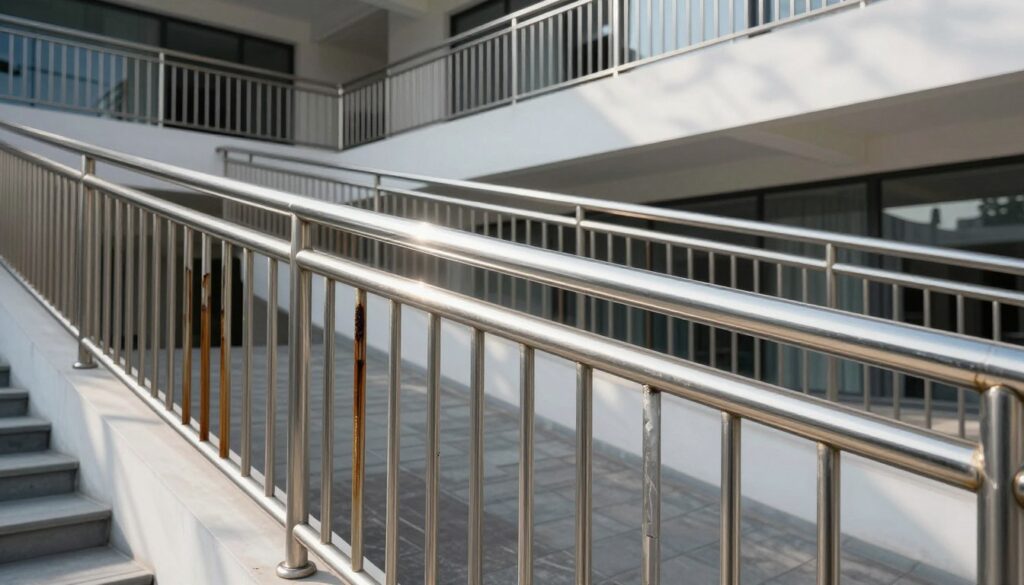
Stainless steel handrails beat other materials in many ways. Aluminum is lighter, but stainless steel is stronger and less prone to dents. Wood might seem cheaper at first, but it costs more over time due to upkeep and replacement.
| Material | Lifespan | Corrosion Resistance | Maintenance Frequency | 20-Year Cost |
|---|---|---|---|---|
| Stainless Steel | 50+ years | Excellent | Annual cleaning | Lower overall |
| Carbon Steel | 20-30 years | Fair | Regular repainting | Higher due to maintenance |
| Wood | 15-25 years | Poor | Annual staining/sealing | Higher due to replacement |
| Aluminum | 30-40 years | Good | Occasional cleaning | Moderate |
Choosing stainless steel also helps the environment. It’s fully recyclable, earning LEED points. This supports green building standards and sustainability.
Coastal-Grade and Outdoor Applications for Demanding Environments
Outdoor spaces near water, pools, or high-altitude locations face unique challenges. Standard railings can’t withstand salt spray, chlorine, intense UV radiation, and strong winds. You need railing systems that can survive these harsh conditions while looking good and staying safe.
Stainless steel is the key to durability your project needs. It works best when paired with marine-grade components and protective treatments for extreme environments.
Marine-Grade Materials for Salt and Humidity Resistance
Coastal regions expose your railings to relentless salt air and moisture. This can corrode standard materials in just months. Marine-grade railings need 316-grade stainless steel, which has molybdenum to protect against saltwater corrosion.
This higher-grade material resists pitting and rust better than 304-grade alternatives. You should also use marine-grade fasteners, brackets, and hardware for your installation. Corrosion often starts at connection points where salt crystals accumulate.
Every bolt, nut, and screw should match the corrosion resistance of your primary railings. Surface treatments like electropolishing or specialized coatings strengthen your system’s defense against salt spray and humidity.
Wind-Barrier and Pool-Safe Railing Solutions
Pool-safe railings combine safety with durability in chlorine-rich environments. They use tempered or laminated safety glass with marine-grade aluminum frames. These frames resist chlorine damage and constant moisture exposure.
Self-closing gates with secure locks meet pool safety codes while preventing unauthorized access. Low-profile hardware stays hidden, creating sleek, modern enclosures that enhance your pool area’s aesthetics.
Wind-barrier applications protect rooftop terraces, coastal balconies, and elevated decks from strong gusts. Your coastal handrail applications benefit from high-strength glass panels supported by stainless steel structural systems. These systems block wind without obstructing your views.
These solutions transform unusable outdoor spaces into comfortable, functional areas year-round. Pool-safe railings and wind-barrier systems showcase how specialized stainless steel engineering solves specific environmental challenges while delivering premium performance.
| Environment Type | Key Material Requirements | Primary Benefits |
|---|---|---|
| Coastal Salt-Spray Areas | 316-grade stainless steel, marine-grade fasteners, electropolished surfaces | Extreme corrosion resistance, 20+ year lifespan, minimal maintenance |
| Pool Enclosures | Tempered/laminated glass, marine-grade aluminum, self-closing gates | Chlorine resistance, safety compliance, elegant appearance |
| High-Wind Zones | Structural stainless steel, high-strength tempered glass panels | Wind load protection, unobstructed views, weather durability |
| High-Humidity Climates | Marine-coated aluminum profiles, protective coatings, sealed connections | Moisture resistance, corrosion prevention, long-term stability |
Installation Best Practices and Manufacturing Quality Standards
For your stainless steel handrail systems to work well, quality in making and installing is key. Just having top-notch materials isn’t enough. You need both quality materials and skilled installation to get the best results. This ensures your safety and the system’s long life.
Quality starts with how the steel is welded. Top makers use TIG or MIG welding for strong, clean joints. It’s also important that all parts look the same. Make sure the maker has strict quality checks before you buy.
Installing commercial handrails needs to follow strict standards. Your installer must pick the right spots for the handrails and space them correctly. This usually means no more than 4 feet apart for cable systems.
Adjusting the cable tension is also critical. It should be between 200 to 300 pounds per cable. The posts must be straight and spaced right, following local building codes. These codes are based on the International Building Code (IBC).
| Installation Component | Standard Requirement | Critical Importance |
|---|---|---|
| Post Spacing | Maximum 4 feet apart | Ensures structural integrity and code compliance |
| Cable Tension | 200-300 pounds per cable | Maintains proper load distribution and safety |
| Concentrated Load Capacity | 200 pounds minimum | Meets IBC guardrail requirements |
| Distributed Load | 50 pounds per linear foot | Complies with building safety codes |
| Glass Panel Thickness | Calculated per dimensions | Prevents failure under stress conditions |
Having a pro install your handrails is a must. They know how to do it right and make sure it’s safe. Your local building department might check the work at different times. If it’s done wrong, it can be dangerous, void warranties, and cost a lot to fix.
Quality makers give detailed guides and support to help your contractor. Working with experts who know the material and local codes means your system will last for years. You can trust it will work as planned.
Conclusion
Modern handrail design has changed a lot. Now, stainless steel systems are more than just safety features. They define the look and feel of your space. From cable systems that let you see through to frameless designs that fit right in, trends show a move towards blending in.
Choosing the right SS handrail can change how your project looks and works for years. It’s not just about safety anymore. It’s about style and quality too.
When picking a system, think about what you need. Cable systems are great for open views. Glass-integrated designs add luxury. Rod and bar setups are perfect for commercial spaces.
Exploring metal railing systems means finding ones that are strong and look good. The grade of stainless steel, the finish, and your environment’s needs all matter. They all come together to make your final choice.
Stainless steel railings might cost more at first. But they last longer and need less upkeep. Your investment in a modern handrail will stay beautiful and strong without needing constant fixes.
Work with experts who know both the technical side and design options. This way, your project will be safe, beautiful, and last a long time. It’s the key to excellence in modern architecture today.