Welcome to your complete guide on aluminum facade systems. You’re about to discover a key solution in modern building design. Whether it’s for a commercial project or a home renovation, knowing about aluminum facade systems is key.
An aluminum facade system bonds two thin aluminum sheets to a core of mineral fillers or polyethylene. This simple setup creates a lightweight panel that’s strong. Your building gets a protective layer that stands up to pressure.
Aluminum composite materials are the top choice for architects and contractors in the U.S. You’ll see them on buildings in big cities like New York and Los Angeles. They’re popular because they work well.
With aluminum panels, your design options grow. You can create unique looks that traditional materials like brick or stone can’t match. You can make your building stand out with curves, bold colors, and patterns.
Aluminum composite panels offer more than just looks. They protect against weather, save energy, and cost less to maintain over time. Your building stays safe, and your expenses stay low.
This guide covers everything you need to know. You’ll learn about materials, design choices, how to install them, and their long-term performance. Whether you care about durability, sustainability, or saving money, you’ll find the answers here.
Key Takeaways
- Aluminum facade systems use two aluminum sheets bonded to a core material, creating lightweight yet durable panels for modern buildings
- These building facade systems offer superior design flexibility, weather protection, and energy efficiency compared to traditional materials
- Architectural cladding with aluminum composites reduces maintenance requirements and supports long-term property value
- Exterior facade panels come in multiple thickness options, finishes, and colors to match any project vision
- Aluminum facade systems meet strict building codes and safety standards while performing well in all climate conditions
- Installation of these panels follows proven best practices that ensure proper performance and longevity
Understanding Aluminum Facade Systems and Their Role in Modern Architecture
Modern buildings need strong, lightweight solutions that protect structures from weather while looking great. Aluminum facade systems deliver exactly what contemporary architecture demands. These systems combine advanced engineering with design flexibility, making them the go-to choice for architects and builders across the United States. Understanding how these systems work helps you make informed decisions about your building project.
At their core, aluminum composite panels represent a smart engineering solution. The sandwich construction bonds two thin aluminum sheets to a center core made of mineral fillers or polyethylene. This design creates remarkable strength without excessive weight. A standard 3.0mm thick panel weighs just 8 kg per square meter, yet delivers tensile strength between 100-280 N/mm². This strength-to-weight ratio outperforms many traditional building materials.
What Makes Aluminum Composite Panels Ideal for Building Facades
You’ll find aluminum composite panels perfect for your facade needs for several compelling reasons. Their lightweight nature reduces structural loads on your building’s frame, lowering construction costs. ACP cladding resists weather damage, protecting your building envelope from rain, wind, and UV rays for decades. The design flexibility of exterior wall panels lets you create bold architectural statements without compromise.
- Reduced structural stress from lightweight composition
- Superior weather resistance and durability
- Unlimited design possibilities and aesthetic options
- Thermal efficiency and energy savings
- Easy installation and maintenance
Key Components of Exterior Aluminum Panel Systems
A complete exterior aluminum panel system includes multiple integrated components working together. Understanding these parts ensures you appreciate how metal composite panels create reliable, weather-tight building envelopes.
| Component | Function | Material |
|---|---|---|
| Aluminum Composite Panels | Outer protective layer and visual finish | Aluminum and core material |
| Support Framing | Structural support for panels | Aluminum or steel profiles |
| Fastening Systems | Secure panels to frame | Stainless steel fasteners |
| Sealants | Prevent water infiltration | Silicone or polyurethane |
| Edge Trim and Closures | Finish edges and transitions | Aluminum profiles |
These components work together seamlessly. The aluminum composite panels sit on support framing, which distributes weight evenly across your building structure. Fastening systems hold everything secure against wind and movement. Sealants create an impenetrable barrier against water penetration. Edge trim pieces provide finished transitions at corners, windows, and rooflines.
When you choose exterior wall panels for your project, you’re investing in a system that performs reliably for decades. The integration of all these components ensures your building maintains its weather protection and visual appeal year after year. Metal composite panels represent the modern solution that meets both functional and aesthetic requirements of contemporary architecture.
Benefits and Performance Features of Aluminum Composite Panels
Aluminum composite material is a top pick for building projects. It’s strong yet light, making it perfect for structures. These panels weigh just 8 kg per square meter but are incredibly durable.
They also resist weather well, keeping your building safe from salt air, pollution, and extreme temperatures. The material doesn’t corrode easily, so your building looks great for years.
These panels are also good for the environment. They’re made with recycled content, helping your building be eco-friendly. Some types even cut down CO₂ emissions by over 40% compared to other materials.
Key Performance Advantages You'll Experience
- Lightweight construction reduces structural costs and installation time
- Superior wind-load resistance protects your building in storms
- Impact performance meets rigorous testing standards
- Water resistance keeps interiors dry and secure
- Strong adhesive bonds prevent panel separation
- Design flexibility with nearly 40 color options
- Service life exceeding 20 years with proper maintenance
With aluminum composite material, your design options grow. You can choose from metallic finishes, wood-grain textures, or custom colors. This makes it great for everything from offices to retail spaces.
| Performance Feature | Benefit to Your Project | Industry Standard |
|---|---|---|
| Panel Weight | Reduces structural load and installation costs | 8 kg/m² |
| Tensile Strength | Ensures durability and impact resistance | 100-280 N/mm² |
| CO₂ Emissions | Supports environmental sustainability goals | 11.4 kg CO₂/m² |
| Service Life | Protects your investment long-term | 20+ years |
| Color Options | Enables creative architectural designs | Nearly 40 standard colors |
Choosing lightweight cladding systems means your building gets many benefits. It’s protected, looks great, is eco-friendly, and lasts long. Aluminum composite material is the smart choice for modern buildings in the United States.
Core Materials and Fire Safety Considerations for Metal Composite Panels
Fire safety is key when picking aluminum composite material for your building’s facade. The core material inside your panels affects how they perform in a fire. Knowing the difference between standard and fire-resistant cores helps protect lives and meet building codes.
The core material you choose affects how fast fire spreads through your facade. Different cores react differently to heat. Your choice will ensure your facade meets fire safety standards and insurance requirements.
Fire-Resistant vs. Standard Panel Cores
Standard panels have polyethylene cores, which are cheap but burn easily. These cores catch fire quickly and let flames spread fast. The Melbourne apartment fire shows how dangerous this can be, with flames reaching multiple floors in minutes.
Fire-resistant panels have mineral-filled cores like magnesium hydroxide or aluminum trihydroxide. These materials don’t burn and slow down heat transfer. When exposed to fire, they release water vapor to cool the surface and delay ignition. Learn more about understanding fire-rated aluminum composite material to see how these advanced cores work.
The difference in performance between these cores is huge. Standard cores fail fast, while fire-resistant cores keep structures strong for longer.
| Core Type | Material Composition | Fire Rating | Best Use | Cost Range |
|---|---|---|---|---|
| Standard PE Core | Polyethylene | Not fire-rated | Low-rise residential | Budget-friendly |
| Fire-Resistant (FR) Core | Mineral-filled polymer | Up to 120 minutes | Mid-rise buildings | Moderate |
| A2 Core | Mineral with minimal polymer | Highest resistance | High-rise, hospitals, schools | Premium |
Meeting Building Code Requirements and Safety Standards
Your building codes dictate which fire-resistant panels you must use. This depends on building height, occupancy type, and location. Different standards test panels to ensure they are safe.
Key standards include:
- NFPA 285: Tests the complete exterior wall assembly under real fire conditions, measuring vertical and lateral flame spread
- ASTM E84: Measures flame spread and smoke development on panel surfaces
- ASTM E119: Rates fire resistance from 1 to 2 hours based on temperature rise and structural performance
- CAN/ULC-S134: Full-scale wall test used in Canadian building codes
NFPA 285 is the most detailed test for facade systems. It checks if flames spread vertically and laterally within safe limits. This test looks at the whole wall, including insulation and air barriers.
Always ask for certification from your suppliers. Make sure your panels meet local building codes. Buildings over certain heights or housing vulnerable occupants need the highest fire-resistance ratings. Using unapproved panels risks code violations and legal issues.
Your project needs determine which standards apply. Talk to building officials early to know which panels meet your area’s rules.
Aluminum Facade System Design Flexibility and Aesthetic Options
Your architectural vision can soar without material limits. Aluminum cladding brings a new level of design freedom. With modern aluminum composite panels, you have access to over 40 standard colors and custom color matching. This means you can match any color you need for your exterior facade panels.
Aluminum cladding’s versatility goes beyond colors. You can pick from various finishes to change your building’s look and feel. Options include metallic for a modern touch, woodgrain for a natural look without upkeep, and stone-like surfaces that mimic marble or granite but are lighter.
https://www.youtube.com/watch?v=uA2Jl8F2PC8
Don’t limit your architectural cladding to flat surfaces. Aluminum composite panels can bend and curve, allowing for complex shapes and dramatic designs. This flexibility gives you creative freedom for walls, roofs, signage, and more.
| Finish Type | Aesthetic Appeal | Maintenance Level | Best Applications |
|---|---|---|---|
| Metallic Finishes | Modern, luxurious with gold, copper, or bronze tones | Low | Contemporary commercial buildings, retail facades |
| Woodgrain Finishes | Natural wood appearance in light oak or dark walnut | Very Low | Residential projects, warm interior accents |
| Stone-like Finishes | Marble, granite, or slate aesthetics | Low | High-end commercial spaces, institutional buildings |
| Matte Surface Options | Subtle, sophisticated appearance | Low | Professional office buildings, minimalist designs |
| Glossy Surface Options | Reflective, dynamic light interaction | Moderate | Retail environments, eye-catching signage |
| Textured Finishes | Depth mimicking wood or concrete | Low | Mixed-use developments, accent walls |
The mix of aesthetic variety and physical workability opens up endless design possibilities. You can build ultra-modern glass-and-metal structures, warm residential facades, or bold retail spaces. Your exterior facade panels become a canvas for your creativity, not a limit to your vision.
Thickness Options and Structural Performance of ACP Panels
Choosing the right aluminum panel thickness is key for your facade project. The thickness affects how well your panels perform, from wind resistance to durability. Knowing the differences helps balance performance with budget.
Your building’s location, height, and weather exposure affect the best thickness. This choice is critical for your project’s success.
Aluminum composite panels come in three standard thicknesses: 3mm, 4mm, and 6mm. Each has its own benefits for different uses and weather conditions. Learning about these specifications helps you make informed choices for reliable ACP cladding.
Comparing 3mm, 4mm, and 6mm Panel Specifications
The common thicknesses for aluminum composite panels are 3mm, 4mm, and 6mm. Each meets specific project needs. Knowing their characteristics helps you choose the right product for your project.
| Panel Thickness | Weight per Square Meter | Tensile Strength | Best Applications | Wind Load Resistance | Relative Cost |
|---|---|---|---|---|---|
| 3mm | Approximately 8 kg/m² | 100-280 N/mm² | Interior walls, ceilings, low-rise buildings | Minimal to moderate | Most economical |
| 4mm | Approximately 10-11 kg/m² | 120-300 N/mm² | Commercial facades, general cladding, mid-rise buildings | Moderate to good | Mid-range cost |
| 6mm | Approximately 15-16 kg/m² | 150-320 N/mm² | High-rise towers, coastal areas, extreme weather zones | Excellent | Premium pricing |
3mm panels are great for interior use and low-wind areas. They save money while keeping structural integrity. Their light weight makes installation easier.
4mm panels are versatile for commercial facades. They offer better rigidity than 3mm and are cost-effective. This thickness is the industry standard in Canada and North America for facade work.
For high-rise buildings or severe weather, 6mm panels are best. They resist wind, impact, and thermal stress. Coastal areas benefit from their durability. Premium projects choose 6mm for maximum longevity.
Weight and Durability Characteristics
ACP cladding is lightweight, even at 6mm. This makes it easier to install and reduces framing costs. It’s much lighter than stone, concrete, or solid metal.
Thickness affects durability in many ways. Thicker panels protect better against rain, wind, and thermal stress. A complete guide to aluminum composite panels shows how proper installation and thickness ensure long-lasting facades.
- 3mm panels resist thermal stress in stable environments
- 4mm thickness handles typical weather exposure reliably
- 6mm panels provide maximum impact and wind resistance
- All standard thicknesses are non-porous with zero moisture absorption
- Freeze-thaw resistance improves with greater thickness
- PVDF coatings on any thickness maintain color for 30+ years
Your project’s location affects weather testing of your panels. Extreme temperatures, storms, or coastal salt spray require thicker panels. Thicker panels are more rigid, reducing stress on fasteners and joints. Choosing the right thickness ensures durability and protects your investment.
Surface Finishes, Colors, and Texture Choices for Exterior Cladding
Your building’s look begins with the surface finish you pick. Today’s exterior cladding materials offer a wide range of choices. You can go for classic colors or unique textures, all while keeping maintenance easy and performance high.
When designing your facade, you’ll find many finish types. Standard colors like white, black, and gray are quick to deliver and work well for many buildings. For a more unique look, custom colors can match any color you need. This is great for corporate buildings or when you need to match an existing structure’s color.
Metallic finishes add a modern touch to your building’s look. Gold, copper, and bronze finishes sparkle in the light, changing how they look throughout the day. Wood grain finishes are also popular, thanks to advanced printing that makes them look real. You get the look of wood without the worries of rot or termites.
Stone finishes add elegance with looks like marble and granite. These exterior cladding materials are lighter and easier to install than real stone. Your choice between matte and glossy finishes changes how your building looks and works. Matte hides marks and reduces glare, while glossy makes colors pop and adds a reflective shine.
- Standard colors available for immediate delivery
- Custom color matching for specific branding needs
- Metallic finishes in gold, copper, and bronze
- Wood grain options mimicking natural wood species
- Stone finish replicas for sophisticated appearances
- Matte and glossy surface treatment choices
- Textured surfaces for added visual depth
With these finish options, your facade design possibilities grow. Each choice impacts not just looks but also upkeep and durability. Think about your building’s location, style, and upkeep needs when picking the right finish for your aluminum cladding.
Selecting the Right Aluminum Composite Panels for Your Project
Choosing the right aluminum composite panels is a big decision. You need to think about your project’s needs, the environment, and rules. This careful planning helps you make the best choice, avoiding feeling overwhelmed by all the options.
Choosing the right panels affects how well your building works and looks. Take time to think about what you need. This ensures you get materials that are safe, last long, and look good.
Assessing Project Requirements and Environmental Conditions
First, decide if your project is inside or outside. Outside projects need panels that can handle weather. Inside projects focus on looks and sound.
Then, think about the weather your building will face. Coastal areas need panels that resist salt and moisture. Desert areas need panels that protect against sun and heat. Areas with strong winds need panels that can handle wind and impact.
Consider these important factors when planning:
- How much sun and UV radiation your building will get
- How much rain and moisture it will face
- Wind speeds and hurricane risks
- Temperature changes and seasonal shifts
- What the building will be used for and how tall it is
- How well it will keep warm or cool
- The style and colors you want
- Your budget and how long the panels will last
- Fire safety and fire ratings
- How thick and strong the panels need to be
Building height is key. Taller buildings face stronger winds, needing thicker panels. The type of building also matters. Homes, offices, and hospitals have different fire safety needs.
Quality Certifications and Compliance Standards
Knowing about certifications helps you avoid bad products. Good aluminum composite panels have proof from trusted testing groups.
Look for these certifications:
| Certification | What It Verifies | Importance Level |
|---|---|---|
| International Building Code (IBC) Compliance | Basic safety and performance standards for building materials | Essential |
| ASTM International Standards | Specific properties including fire behavior, adhesive strength, and weathering | Essential |
| NFPA 285 Certification | Fire safety performance in multi-story buildings with combustible components | Critical |
| ISO 9001:2015 | Quality management systems and consistent manufacturing standards | High |
| ISO 14001:2015 | Environmental management and sustainable practices | High |
| Miami-Dade Approval | Wind and impact resistance for hurricane-prone regions | Regional Critical |
| Factory Mutual (FM) Approval | Fire safety and material performance validation | High |
| Underwriters Laboratories (UL) Safety Testing | Independent safety verification and material classification | Essential |
| LEED Certification Eligibility | Sustainability credits and environmental responsibility | Beneficial |
Ask for proof of certifications before buying. Make sure the certifications are up-to-date and real. Panels with the right certifications protect your investment and keep your project safe.
When comparing different manufacturers, look at their certifications. Brands with many certifications show they care about quality and safety for ACP cladding.
Installation Process and Best Practices for Aluminum Facade Systems
Getting your aluminum facade system installed right is key to its long-term performance. The installation process needs careful planning and skilled work to make your panels last decades. Skipping important steps can lead to water damage, structural issues, and expensive fixes later on.
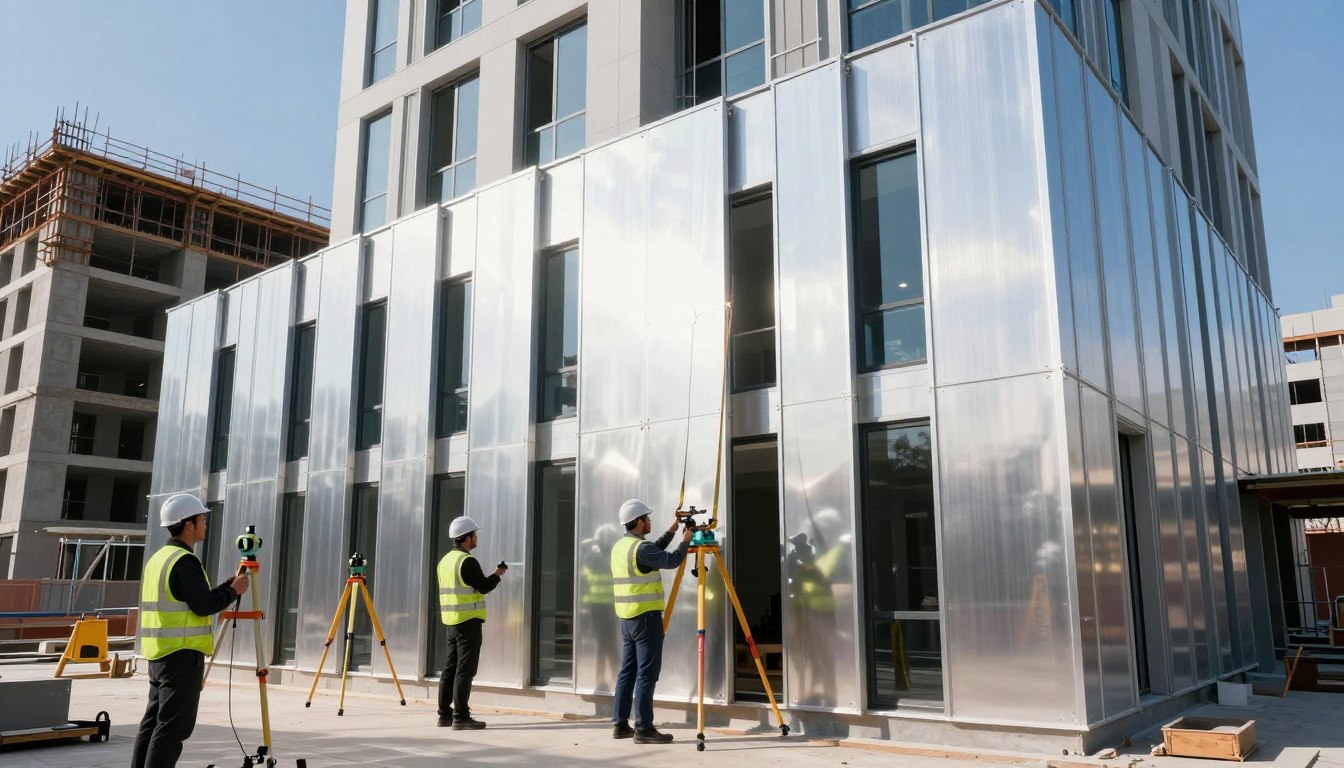
Your journey to a successful installation begins before the first panel is placed. You must check your building’s surface for damage or weak spots that could affect panel attachment. Your support system should use materials like aluminum or galvanized steel to handle wind and panel weight. It’s also vital to plan for details like edge sealing, corner treatments, and drainage to keep moisture out.
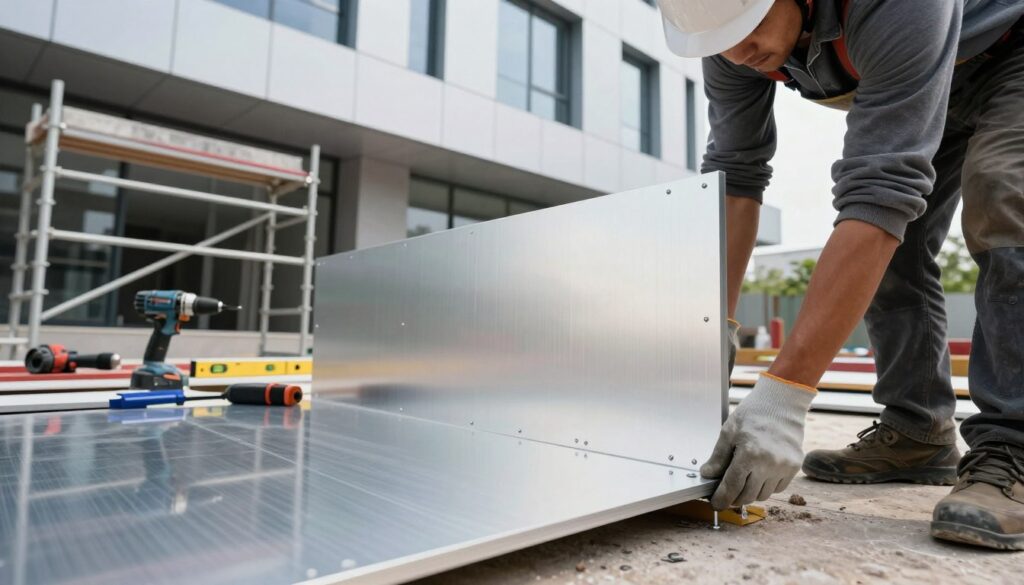
- Mark panel locations precisely for proper alignment and consistent patterns
- Secure your support framework with non-corroding fasteners rated for exterior use
- Attach panels while maintaining expansion gaps of 3-6mm for thermal movement
- Remove protective films immediately to prevent sticky residue buildup
- Apply sealants only when temperatures allow proper curing
- Fill joints with flexible silicone that moves with temperature changes
Your aluminum facade system needs good airflow and drainage behind the panels. This gap helps prevent moisture buildup and improves thermal performance. It’s smart to plan your cleaning schedule before starting to know how to keep your panels looking good over time.
Making common installation mistakes can lead to big problems. Using the wrong panel types can cause color mismatches. Using poor base materials can lead to early failure. Corroded frames are a safety hazard. Not having enough expansion gaps can cause panels to warp. Using the wrong sealants can let water in. Weak support framing makes your system unstable.
| Challenge | Cause | Solution |
|---|---|---|
| Color Variation | Mixing different panel batches or using wrong rated panels | Order all panels from same batch, verify exterior ratings |
| Panel Warping | Expansion gaps too small for thermal movement | Maintain 3-6mm gaps between all panels |
| Water Infiltration | Incorrect sealant selection or poor application | Use proper sealants, apply at correct temperatures |
| Structural Failure | Corroded or undersized support frames | Use galvanized steel or aluminum framing with proper engineering |
Modern composite panel installation systems make the job easier. Click-on or slide-in mechanisms save time and reduce errors. Lightweight panels speed up the installation. These systems need less skilled labor, saving you money. You also get cleaner-looking results with fewer visible fasteners.
Your success depends on following the installation process exactly. Work with experienced installers who know what they’re doing. Make sure your support structure meets engineering specs before starting. Create proper water-resistant barriers during installation. Keep expansion gaps consistent throughout your project. These steps ensure your exterior wall panels perform as promised for years to come.
Weather Resistance and Long-Term Durability of ACP Cladding
Your building’s exterior needs to withstand rain, wind, temperature changes, and UV rays. Weather-resistant cladding protects your investment for decades. ACP cladding is proven to work well in many climates. It keeps your building safe and looking good.
Choosing quality aluminum composite material for your facade means your panels resist water, wind, and UV damage. The adhesive bonds stay strong through many temperature cycles. This means your panels won’t peel, crack, or split, even in harsh conditions. Your building stays protected year after year.
Studies show that exterior cladding materials like ACP panels keep their strength in extreme temperatures. They handle desert heat and arctic cold without losing shape. Protective coatings also prevent color fading and chalking from sun exposure.
Performance in Extreme Climates and Coastal Environments
Desert environments test your panels with intense UV radiation and temperature swings. Quality ACP cladding handles these extremes without warping or losing strength. The panels maintain their appearance and structural performance through these demanding cycles.
Coastal areas present different challenges. Salt spray and high humidity create corrosion risks that damage weaker materials. Your aluminum composite material panels with proper coating systems resist oxidation and pitting that salt air causes. Brands like Alucobond use specially treated aluminum layers designed for marine environments.
Cold climates benefit from aluminum’s natural ductility. Your panels won’t crack and become brittle at sub-zero temperatures like some plastics do. Proper installation with expansion gaps prevents buckling from freeze-thaw cycles.
Tropical regions demand strong moisture management. Water-tight construction in weather-resistant cladding systems prevents rot and mold growth that organic materials suffer in high-humidity conditions. Your exterior cladding materials stay intact and functional.
| Climate Type | Key Challenge | ACP Panel Response | Expected Lifespan |
|---|---|---|---|
| Desert/Hot Arid | UV radiation and temperature extremes | PVDF coatings prevent fading; thermal stability maintains shape | 20+ years |
| Coastal/Marine | Salt spray and corrosion | Treated aluminum layers resist oxidation; water-tight seals prevent infiltration | 20+ years |
| Cold/Arctic | Freeze-thaw cycles and brittleness | Aluminum ductility prevents cracking; expansion gaps absorb movement | 20+ years |
| Tropical/Humid | Moisture infiltration and mold growth | Water-tight construction and drainage systems protect against moisture damage | 20+ years |
Wind-load resistance testing shows that your ACP cladding panels pass simulations of hurricane-force winds. Panels remain securely attached and structurally sound even during extreme weather events. Your building’s envelope stays intact.
Impact performance protects against hail, wind-borne debris, and accidental contact. Quality aluminum composite material panels absorb these strikes without cracking, puncturing, or delaminating. Your facade maintains its protective function.
- Wind-load resistance verified through hurricane-force wind testing
- Impact performance prevents damage from hail and debris
- Adhesive strength maintains panel integrity through thermal cycles
- Water resistance creates effective moisture barriers
- Protective coatings provide UV stability and color retention
- Corrosion-resistant materials handle salt air environments
- Thermal stability prevents warping in temperature extremes
Your investment in weather-resistant cladding pays off through decades of reliable performance. Quality exterior cladding materials require minimal maintenance while protecting your building’s structure and interior spaces from environmental damage and weather intrusion.
Maintenance Requirements and Lifecycle Management
Keeping your aluminum facade system in top shape is easy. Unlike wood or stone, aluminum composite panels need only simple care. This ensures your investment looks great and works well for 20 years or more.
ACP cladding is great because it avoids many common issues. You won’t face rot, repainting, or crumbling mortar. Just clean it regularly and check for small problems to avoid big ones.
Cleaning and Upkeep Schedule
Clean your aluminum composite panels every six months normally. If you’re in a polluted area or have lots of dust, clean them every three months. Places with little pollution can clean once a year.
When cleaning, use gentle cleaners made for aluminum. Avoid harsh chemicals and high-pressure washes. Always test cleaners on a hidden area first.
- Use soft cloths, sponges, or soft-bristle brushes
- Work from top to bottom to prevent streaking
- Rinse thoroughly with clean water to remove all cleaner residue
- Never use abrasive pads that scratch finishes
- Apply cleaners gently without excessive scrubbing
Regular cleaning stops corrosive buildup like road salt. These materials can damage your panels over time if not cleaned.
Inspection and Repair Protocols
Check your panels at least once a year. Look for loose fasteners, damaged sealant, dented panels, or water signs. Fixing small problems early saves money later.
| Inspection Item | Frequency | Action Required |
|---|---|---|
| Fastener tightness | Annual | Tighten any loose screws or bolts immediately |
| Sealant condition | Annual | Replace any cracked or deteriorating sealant |
| Panel surface damage | Annual | Replace individual damaged panels as needed |
| Water penetration signs | Semi-annual | Investigate and address moisture sources |
| Fastener corrosion | Annual | Replace corroded fasteners with compatible materials |
Fix any issues right away. Tightening fasteners is quick. Replacing sealants stops water damage. Replacing panels is easy and doesn’t harm others. Keep records of all maintenance to track your system’s health.
Extending Your Panel Lifespan
With good care, your panels can last 30 to 40 years. Regular maintenance and quick repairs are key.
- Maintain consistent cleaning schedules appropriate for your local climate
- Inspect regularly to catch problems early
- Replace sealants proactively before they fail completely
- Maintain proper drainage in the wall cavity
- Ensure adequate ventilation behind panels
- Keep fasteners clean and properly secured
- Address corrosion signs immediately
Good drainage and ventilation stop moisture damage. Some materials need recoating to look and work well. Your maintenance today means a better tomorrow for your system.
Aluminum composite panels are simple to care for. They offer years of service without the constant upkeep of wood or stone. Follow these easy steps, and your ACP cladding will keep delivering for decades.
Comparing Aluminum Composite Panels to Alternative Facade Materials
Choosing exterior cladding materials for your building is a big decision. It’s important to know how aluminum composite panels compare to other options. Each material has its own strengths and weaknesses. Your choice should be based on performance, cost, and long-term value.
Let’s look at how aluminum composite panels compare to common alternatives in facade design and commercial facade panels.
ACP vs. Solid Aluminum, Glass, and Stone Options
Aluminum composite panels are different from solid aluminum panels. Both resist corrosion well, but composite panels are lighter and better at insulation. This is because they have a foam or mineral core.
Solid aluminum conducts heat easily, while composite panels slow down heat transfer. This makes composite panels a better choice for most facades because they are lighter and easier to install.
Glass is great for letting in natural light and views. It’s perfect for windows and areas where you want to see outside. But for the rest of your building’s exterior, aluminum composite panels are better at keeping the temperature stable and install faster.
This means your project can be finished quicker, saving on labor costs. You also get more design options with aluminum composite panels than with glass.
Natural stone adds prestige and a real touch to buildings. But stone-look aluminum composite panels offer a similar look at a fraction of the weight. They’re easier to install and require less maintenance than real stone.
| Material Type | Weight Per Square Meter | Installation Speed | Thermal Insulation | Design Flexibility | Maintenance Needs |
|---|---|---|---|---|---|
| Aluminum Composite Panels | 3-4 kg | Fast | Excellent | Very High | Minimal |
| Solid Aluminum | 8-10 kg | Moderate | Poor | Moderate | Low |
| Glass Panels | 10-15 kg | Slow | Fair | Limited | Moderate |
| Natural Stone | 25-35 kg | Very Slow | Fair | Low | High |
Cost-Effectiveness and Value Analysis
Aluminum composite panels cost between twenty and sixty dollars per square meter. This price depends on thickness, finish, and fire rating. When you consider the cost of installation, structural needs, and maintenance, composite panels are often a better deal.
For example, using stone veneer versus aluminum composite panels can save money. Stone is heavier and more expensive to install. It also needs regular sealing and cleaning. Aluminum composite panels are cheaper, easier to install, and require little to no maintenance.
Energy efficiency is another benefit of aluminum composite panels. They improve your building’s thermal performance. This can lead to lower heating and cooling costs over time, making them a cost-effective choice.
Design flexibility is also a key advantage. Aluminum composite panels offer endless design possibilities. They install quickly, which means your project can be finished faster. This saves on labor costs and lets you enjoy your new building sooner.
- Aluminum composite panels cost twenty to sixty dollars per square meter installed
- Installation speed cuts project timelines by thirty to forty percent versus stone
- Maintenance expenses drop ninety percent below natural stone requirements
- Structural support needs decrease due to lightweight construction
- Energy savings from insulated cores offset facade costs over time
- Design options exceed what glass, stone, or solid aluminum panels offer
Your building’s success depends on choosing the right materials. Aluminum composite panels offer great value when you consider the whole picture. This includes initial cost, installation speed, maintenance, and performance over time.
Conclusion
You now know how to choose the best aluminum facade system. You’ve learned about the benefits of aluminum composite panels. They are light, strong, and don’t rust. Plus, they’re made from materials that can be recycled, helping the environment.
ACP cladding lets you pick from many colors, finishes, and textures. This means you can make your building look exactly how you want. Fire-resistant and weather-proof options are also available, ensuring your building stays safe and looks great no matter the weather.
Choosing the right facade system starts with knowing what you need. Think about your project, the weather, and how well it should perform. Look for products with quality certifications from trusted groups like ASTM and UL.
Work with reliable suppliers and installers. They should offer good warranties and help you set it up right. This way, your facade will last for many years, looking and working great.
Your investment in aluminum cladding has been proven to work well for a long time. It’s used on many buildings in the US, big and small. With the right care, it can last 20, 30, or even 40 years. It’s a smart choice that looks good and works well.
You’re now ready to choose the right aluminum facade system. You know about the materials, design, installation, and upkeep. Next, find experts who know how to make your project a success.