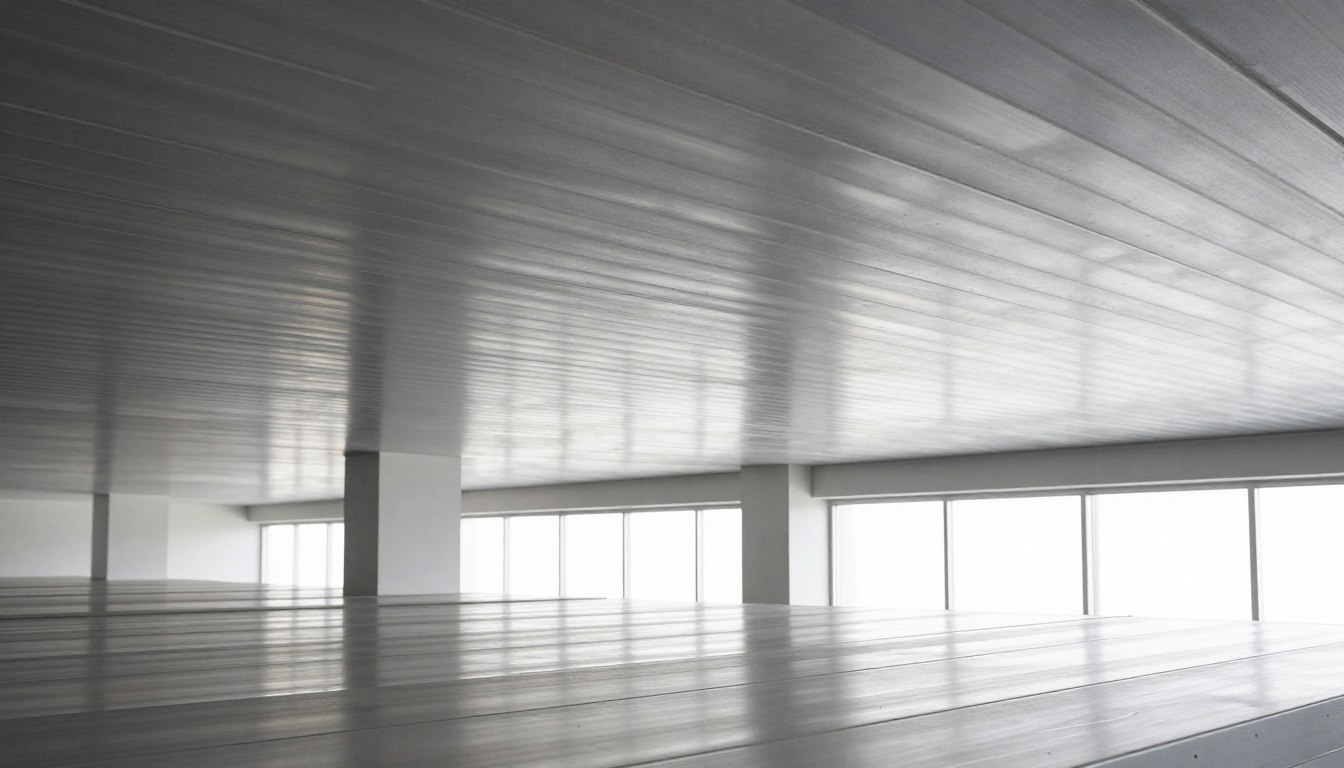
Metal plank ceiling systems have proven their worth in construction. They offer ceiling materials that are tough and easy to care for. Choosing stainless steel or aluminum means your ceiling will last for decades without rust or damage.
Metal ceilings outdo traditional ones in every aspect. They handle daily wear and tear better. Breaks and cracks are rare. Plus, they resist moisture that harms other ceilings.
Choosing metal plank ceilings saves you money. Your team spends less time on repairs and cleaning. With simple care, your ceiling looks new for years. This means your budget goes further with metal plank ceilings.
This guide shows why metal plank ceilings are key for your project. You’ll learn about their strong material and how they save you money in the long run. Whether it’s a new build, renovation, or replacement, knowing about metal ceilings helps you make the best choice for your space.
Key Takeaways
- Metal plank ceiling systems resist breaks, cracks, and physical damage better than mineral fiber alternatives
- Stainless steel and aluminum products last for decades without rust or significant deterioration
- Low-maintenance ceiling solutions cut operational costs and staff time on repairs
- Moisture resistance prevents water damage that destroys traditional ceiling materials
- Quick installation and lightweight design reduce labor expenses on your project
- Metal ceiling panels reflect light and improve energy efficiency in your facility
Understanding Metal Plank Ceiling Systems and Their Applications
Metal plank ceiling systems are a modern choice for building designs in the U.S. They use long, narrow panels made from aluminum or steel. These panels offer a sleek look that’s different from traditional ceilings.
Your ceiling system includes the panels, frames, and spots for HVAC and electrical systems. This design is both stylish and practical, appealing to architects and facility managers.
Metal ceiling panels come in standard sizes like 600 x 600 mm and 300 x 1200 mm. You can also get custom sizes to fit your project needs. This flexibility helps you create spaces that look good and work well.
What Are Metal Plank Ceilings
Linear ceiling planks are key to modern commercial ceilings. They look sleek and are strong and durable. These panels fit well with building systems, making it easy to access them without ruining the look.
Compared to other options, metal plank ceilings are better in both looks and function. They offer a clean, modern look and are easy to maintain.
Common Applications in Commercial and Public Spaces
Commercial ceiling systems work great in many places. Airports, hospitals, schools, malls, and offices all benefit from them. Airports need strong, easy-to-clean ceilings. Hospitals want surfaces that are clean and resistant to germs.
Schools and universities need ceilings that last a long time. Malls want modern looks to attract customers. Offices aim for a professional feel. Metal ceilings solve many problems by being easy to install and maintain.
| Facility Type | Primary Benefit | Typical Panel Size |
|---|---|---|
| Airports & Terminals | Durability and Easy Cleaning | 300 x 1200 mm |
| Healthcare Facilities | Hygienic, Mold-Resistant Surfaces | 600 x 600 mm |
| Educational Institutions | Long-Term Performance | Custom Modules |
| Retail Environments | Modern Aesthetic Appeal | 300 x 1200 mm |
| Office Buildings | Professional Contemporary Design | 600 x 600 mm |
Core Materials That Drive Durability in Metal Ceiling Systems
The durability of your metal plank ceiling depends on the materials used. The industry focuses on three main materials: aluminum, galvanized steel, and stainless steel. Each has its own benefits based on your project needs and the environment. Knowing these materials helps you choose wisely for long-term performance and upkeep.
Aluminum ceiling panels are the top choice for most projects. They are lightweight and naturally resist corrosion, lasting decades with little upkeep. Aluminum can be shaped into custom profiles and finishes. For bright, lasting colors indoors, powder-coated options are great. For harsh environments, PVDF coating on aluminum is best, protecting against weather and chemicals.
Galvanized steel ceilings are a cost-effective, strong option. They handle heavy loads and spans better than aluminum. The zinc coating prevents rust, making them last longer indoors. Galvanized steel is also rigid, perfect for areas with a lot of foot traffic.
Stainless steel ceilings are the best choice for areas with high corrosion risks. They are ideal for coastal areas, swimming pools, and food processing facilities. Stainless steel stands up well against chlorine, salt air, and harsh chemicals.
| Material Type | Corrosion Resistance | Weight | Cost Level | Best Applications |
|---|---|---|---|---|
| Aluminum Ceiling Panels | Excellent | Lightweight | Moderate | Commercial offices, retail, hospitality |
| Galvanized Steel Ceiling | Good | Moderate | Low | Warehouses, factories, high-traffic areas |
| Stainless Steel Ceiling | Superior | Moderate | High | Coastal zones, pools, food facilities |
| Powder-Coated Ceiling | Very Good | Lightweight | Moderate | Interior spaces needing color options |
| PVDF Coating | Outstanding | Lightweight | High | Exterior applications, harsh climates |
The protective coating you choose greatly affects your ceiling’s look and performance. Powder-coated ceilings offer durable finishes with vibrant colors and UV resistance for indoor use. PVDF coating is better for exterior use or tough indoor spots, resisting fading and chemical damage.
When picking materials, look at coating thickness and corrosion resistance. These factors affect how long your ceiling lasts against environmental stress. Your supplier should give salt spray test results and material gauge options. This ensures your ceiling meets structural needs and is easy to install. The right choice affects your overall cost and maintenance needs over time.
Why Metal Plank Ceilings Outperform Traditional Ceiling Materials
Metal plank ceilings are better than traditional materials like mineral fiber, gypsum board, and acoustic tiles. They offer great benefits for spaces that need a lot of use. Metal is strong and can handle daily wear and tear that other materials can’t.
Superior Resistance to Breaks and Cracks
Traditional ceiling tiles often crack and chip during installation and maintenance. Technicians need to access the ceiling space often for repairs. Metal plank ceilings don’t break down like this because they are made of strong materials.
When you take down and put back metal panels, they stay in good shape. This saves a lot of money over time. It’s a smart choice for your building.
Mineral fiber tiles can get wet and sag. Metal ceilings don’t have this problem. They protect against water damage and last much longer.
Long-Term Performance in High-Traffic Environments
Places like schools, hospitals, airports, and malls need ceilings that can handle a lot. Metal planks can stand up to impacts, vibrations, and changes in pressure. They stay stable and look good for years.
| Material Type | Impact Resistance | Moisture Damage Risk | Lifespan | Maintenance Cost |
|---|---|---|---|---|
| Metal Plank | Excellent | None | 30+ Years | Minimal |
| Mineral Fiber | Poor | High | 10-15 Years | Frequent |
| Gypsum Board | Fair | Very High | 8-12 Years | High |
| Acoustic Tile | Poor | High | 10-15 Years | Frequent |
For areas that get a lot of use, you need ceilings that can handle it. Metal systems are designed for this. They save money and are a smart choice for your building.
Moisture and Water Resistance Benefits
Your ceiling is always exposed to moisture. This can come from humidity, leaks, or HVAC condensation. A moisture-resistant ceiling made from metal planks offers better protection than traditional materials.
Unlike mineral fiber tiles, metal ceilings don’t absorb water or stain. They stay looking good and strong, even when wet.
Mineral fiber tiles can warp and swell when wet. This can ruin your ceiling’s look and make it weak. But, a water-resistant metal ceiling won’t warp, no matter the humidity or water.
If you do get a leak, you can dry and reattach the metal panels. This saves you from the cost of replacing them.
Places with lots of moisture, like kitchens and bathrooms, need special care. Humidity-resistant panels are perfect for these areas. They keep your space free from mold and mildew, saving you money on repairs.
| Ceiling Material | Water Absorption | Staining Risk | Warping Potentia | Service Life |
|---|---|---|---|---|
| Mineral Fiber Tiles | High | Significant | Prone to warping | 10-15 years |
| Metal Plank Ceiling | None | Resistant | Maintains shape | 30+ years |
| Gypsum Board | Very high | Extreme | Severe sagging | 5-10 years |
Aluminum planks last for decades. They’re coated to resist rust and other damage. Investing in a metal ceiling means less maintenance and fewer repairs over time. Your space will always look professional and clean.
Fire Safety and Hygiene Advantages of Metal Ceiling Panels
Metal ceiling panels offer two key benefits. They protect people from fires. They also keep areas clean and healthy. This makes them perfect for public places, hospitals, schools, and food service areas.
Investing in quality ceiling systems is smart. It ensures safety and cuts down on maintenance costs.
Fire-Resistant Properties for Public Buildings
A fire-resistant ceiling is vital in crowded spaces. Metal planks won’t burn or spread flames. They meet strict fire ratings required by building codes.
These panels often get the highest fire rating, Class A. This means they don’t produce toxic smoke or let flames spread. They’re safe for airports, hospitals, schools, and assembly areas.
They protect evacuation routes by preventing ceiling collapse and smoke spread.
Mold and Mildew Resistance in Humid Conditions
Bathrooms, kitchens, and humid areas are perfect for mold. A mold-resistant ceiling keeps these areas clean. Metal’s non-porous surface stops moisture from reaching mold-friendly areas.
These panels stay clean longer in damp places. They resist dust and allergens better than porous materials. Hospitals and food prep areas benefit a lot from these ceilings.
Metal planks fight off bacterial growth, insect damage, and microbial colonization. This means less time and money on cleaning and replacement compared to other materials.
| Ceiling Type | Fire Rating | Mold Resistance | Maintenance Level |
|---|---|---|---|
| Metal Planks | Class A (Non-combustible) | Excellent | Low |
| Suspended Tiles | Class A-C (Variable) | Poor to Fair | High |
| Drywall | Class B-C | Poor | Very High |
Low-Maintenance Requirements and Easy Cleaning
Choosing a low-maintenance ceiling is a smart move. Metal plank ceilings need much less care than others. You’ll spend little time and effort to keep your ceiling looking great.
Easy-clean ceiling panels are a breeze to maintain. A simple dusting every few months keeps them spotless. Your staff can do this in minutes, not hours. For areas with more dust or cooking smells, a soft cloth and mild detergent will make it shine again.
When it comes to saving money, metal planks are a winner. They don’t need repainting or stain touch-ups like traditional ceilings. They also don’t get dirty or damaged by water like acoustic tiles do. This means you save on costly replacements and repairs.
Creating a maintenance plan that fits your space is key. Ask your supplier for a guide on how to care for your ceiling. Regular checks during facility tours can catch any problems early. Use gentle cleaners on aluminum planks to keep them looking good.
| Maintenance Task | Frequency | Time Required | Tools Needed |
|---|---|---|---|
| Dust removal | Every 2-3 months | 15-30 minutes | Soft cloth or duster |
| Damp cleaning | Every 6-12 months | 30-45 minutes | Mild detergent, soft cloth |
| Inspection | Quarterly | 20-30 minutes | Visual inspection only |
| Deep cleaning | Every 2-3 years | 1-2 hours | Professional-grade detergent |
Switching to metal systems can really cut down on maintenance costs. You’ll save on labor and can focus on other important things. Your facility will look consistent and well-maintained with very little effort.
Installation Efficiency and Accessibility Features
Choosing lightweight ceiling panels makes your metal ceiling installation faster and cheaper. These systems cut down on labor hours and reduce project disruption. The speed of installation depends on the system you pick and your team’s skill.
Planning well before starting ensures your project stays on track and within budget.
Lightweight Design for Quick Installation
Lightweight ceiling panels are much lighter than traditional materials like gypsum or concrete. Aluminum and steel planks mean no heavy lifting equipment is needed. This makes your team work faster without straining equipment or workers.
There are three main ways to install. Lay-in tiles fit into visible grids and are easy to remove for maintenance. Clip-in tiles attach to hidden grids for a clean look. Both systems cut down on waste and require little training for quick installation.
Easy Access to Hidden Building Systems
Accessible ceiling systems offer big benefits for maintenance. The mechanical, electrical, and plumbing systems are hidden above the ceiling. Metal plank designs let you remove panels without tools for easy access.
| System Component | Access Method | Maintenance Advantage |
|---|---|---|
| HVAC Equipment | Simple Panel Removal | Quick ductwork adjustments without damage |
| Electrical Wiring | Open Plenum Space | Easy routing updates and repairs |
| Plumbing Lines | Unrestricted Access | Rapid inspection and maintenance |
| Fire Sprinklers | Integrated Cutouts | Proper spray pattern without obstruction |
Your metal ceiling can have cutouts for lights, fire sprinklers, and HVAC without losing strength. Work with your MEP trades during design to plan panel layouts. This planning avoids costly changes and meets both function and beauty goals.
Energy Efficiency and Reflective Properties
Your metal plank ceiling system saves a lot of energy. It uses reflective surfaces and advanced thermal performance. This means you need fewer lights, cutting down on electricity use and your bills.
Metal’s thermal conductivity helps control your building’s climate. It works well with HVAC systems, spreading heat and cold air better. This makes your heating and cooling systems work less hard, saving energy and keeping temperatures steady.
Metal’s thermal properties also help with cooling. Some systems use chilled water through metal panels for cooling. Others use metal’s conductivity for radiant heating and cooling. Your ceiling’s plenum space gets better air circulation, boosting energy efficiency.
The finish of your ceiling panels affects how much light they reflect. Bright white and metallic finishes bounce the most light, great for places with little natural light. Darker finishes are better for controlling glare. Choosing the right finish improves lighting and saves money over time.
| Finish Type | Light Reflectance Value (LRV) | Best Application | Energy Savings Impact |
|---|---|---|---|
| Bright White Metallic | 85-92% | Low-light areas, retail spaces | Maximum lighting efficiency, 30-40% fixture reduction |
| Silver Metallic | 75-85% | General commercial spaces | High lighting efficiency, 25-35% fixture reduction |
| Pearl Finish | 65-75% | Balanced light distribution | Moderate lighting efficiency, 15-25% fixture reduction |
| Matte Finishes | 40-60% | Glare-sensitive environments | Controlled lighting, reduced glare management |
Choosing aluminum panels for durability means your ceiling stays reflective for decades. Unlike drop ceilings that lose reflectivity, metal keeps bouncing light, ensuring energy savings for years.
Investing in metal ceilings pays off quickly with energy savings. Lower electricity costs, less HVAC use, and low maintenance add up to big savings. Metal ceilings support sustainability and are smart for saving money and the environment.
Design Versatility and Finish Options for Modern Interiors
Your ceiling is key in setting the mood of your space. Metal ceiling designs offer great flexibility, allowing you to achieve any look while keeping metal’s durability. You can turn a simple ceiling into a stunning feature that shows off your style.
With so many options, you don’t have to choose between looks and function. Your metal ceiling can reflect your brand, match your interior, or set the mood in any room.
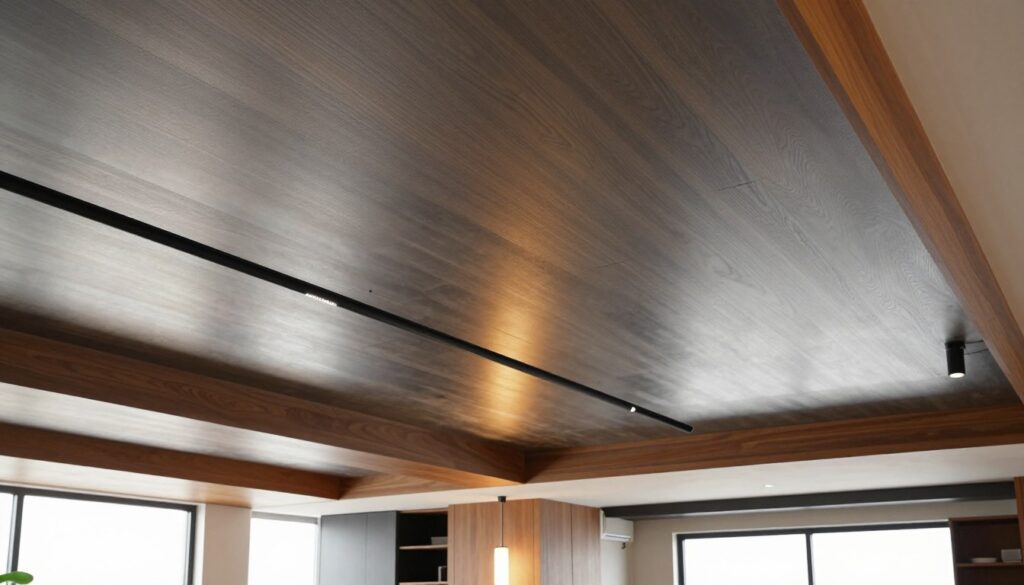
Color Coatings and Wood-Grain Textures
Powder-coated finishes let you pick from standard colors or custom shades. These coatings protect your panels and give lasting color to offices, stores, and buildings.
A wood-grain metal ceiling adds warmth and class without real wood. Its advanced 4D wood-grain finishes look like real timber, making your space feel elegant. Your panels stay durable, fire-resistant, and easy to clean, all while looking like premium wood.
Metallic sheens and anodized aluminum finishes bring a modern, industrial look to workspaces. These finishes are great for retail spaces where bold colors help show off your brand.
Perforated Panels for Acoustic Performance
Perforated ceiling panels are both stylish and sound-friendly. Backed with acoustic fleece or fiberglass, your acoustic metal ceiling can block noise like traditional tiles. It keeps all the benefits of metal, like being easy to clean and durable.
You can pick from different hole patterns—round, slotted, or custom—that affect sound and look. The size of the holes changes how much sound is absorbed and how your ceiling looks in places like conference rooms and schools.
| Perforation Type | Acoustic Benefits | Best Applications | Visual Impact |
|---|---|---|---|
| Round Hole Pattern | Balanced sound absorption | Open offices, retail spaces | Contemporary, organized appearance |
| Slotted Pattern | Enhanced mid-range frequency control | Conference rooms, meeting spaces | Linear, minimalist aesthetic |
| Custom Perforation Design | Tailored acoustic performance | Specialty zones, branded spaces | Unique, signature look |
The material you choose for the acoustic backing affects how well it absorbs sound. This means you can find the perfect balance between how your ceiling looks and how it sounds. This is key for clear speech and less noise in important areas.
Long-Term Value and Return on Investment
At first, metal plank ceilings might seem more expensive than usual. But, the real story is about long-term savings. Investing in metal ceilings means less money spent on upkeep and repairs over time.
Looking at the big picture, metal ceilings offer great value. They need less maintenance and last longer, saving you money. Your team will spend less time fixing and cleaning them, which saves on labor costs.
Warranties add a lot of value to your investment. Top brands offer 10 to 20-year warranties. This shows they believe their products will last a long time. Your ceiling will stay in top shape, avoiding unexpected costs.
When you add up the costs over 20-30 years, metal ceilings make sense. They boost your property’s value. People want to rent or buy places that don’t need a lot of upkeep. This makes your property stand out in a competitive market.
| Cost Category | Metal Ceilings | Acoustic Tile |
|---|---|---|
| Initial Installation | Higher | Lower |
| Annual Maintenance | Minimal | Moderate to High |
| Replacement Cycle | 30+ Years | 10-15 Years |
| Total Lifecycle Cost | Lower | Higher |
Your maintenance team will save money on upkeep. Metal ceilings also help save on energy costs. This is because they reflect light well, making your space brighter. These savings make the initial cost worth it for your business.
Conclusion
Metal plank ceilings are a great choice for any building project. They offer many benefits, like protection from impacts, moisture, and fire. They also keep your space clean and meet strict hygiene standards.
These ceilings are built to last, lasting decades. They’re easy to install, saving time on your project. They’re also lightweight, putting less strain on your building.
Access panels let maintenance teams easily reach hidden services. You can also control noise levels with perforated options. Plus, you can choose from many colors, finishes, and textures to match your design.
Start by figuring out what your building needs. Look at your specific requirements based on how you use the space. Get samples and technical data from trusted manufacturers like Armstrong, USG, or Hunter Douglas.
Compare warranties and make sure your supplier offers ongoing support. Work with your contractor to ensure the ceiling fits with other systems. This way, everything works together smoothly.
Metal plank ceilings are a smart investment for your facility. They’re durable and easy to maintain. They also help lower your costs by reducing cleaning and energy use.
They offer long-term value with their extended lifespan and low replacement needs. Your ceiling solutions support safety, cleanliness, and design all in one.