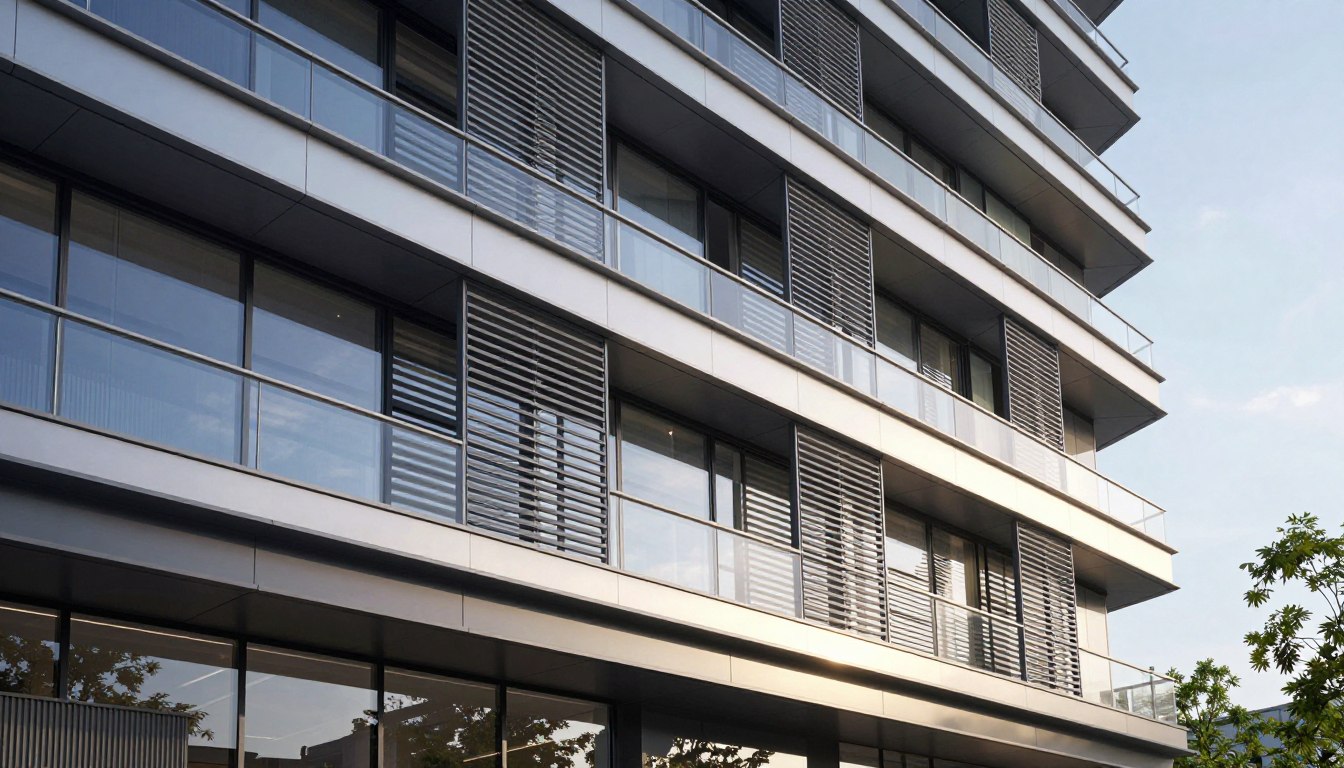
Louvers are special parts of buildings that control sunlight, airflow, heat, and privacy. They are essential for managing performance issues. Architectural louvers are designed to affect how your building performs throughout the day.
Modern buildings face many challenges. Too much heat comes in through windows. Glare makes spaces hard to work in. HVAC systems work too hard, raising costs. Buildings often lack unique looks. Louver systems fix all these problems at once.
Building louvers are more than just decorations. They must work precisely. They help control temperature changes. They block unwanted light. They support natural air flow. Investing in architectural louvers saves energy and makes spaces more comfortable.
Louvers have evolved from simple vents to advanced facade solutions. Today, they blend function with beauty. They make your building stand out. They lower HVAC costs. They enhance the experience of those inside. Choosing louvers is a wise decision for modern buildings.
Your project needs louver systems that deliver real results. Smart building design puts these elements where they count most. The right louver installation safeguards your investment. It boosts performance. It raises property value. Knowing about louvers helps you make better choices for your building’s future.
Key Takeaways
- Louvers are functional facade elements that regulate heat, light, airflow, and privacy in buildings
- Architectural louver systems differ from decorative fins because they directly impact building performance
- Building louvers reduce energy costs by minimizing heat gain and improving HVAC efficiency
- Louver systems enhance both functionality and architectural aesthetics in modern construction
- Proper louver installation protects occupant comfort and increases long-term property value
- Your building louver choice affects daily operations and overall energy consumption
Understanding Louvers: Definition and Core Function
Louvers are slatted architectural elements that control the environment in modern buildings. They regulate sunlight, manage airflow, reduce heat transfer, and keep privacy while allowing ventilation. Unlike simple decorations, louvers are a strategic investment in your building’s performance and comfort.
The angled blades in a louver system let air pass through while blocking rain, debris, and direct solar radiation. This design keeps your indoor environment quality high. The effectiveness of louvers depends on blade angle, spacing, and material selection, impacting energy consumption and occupant satisfaction.
What Louvers Actually Do in Building Systems
Ventilation louvers control fresh air entry while protecting against weather. Your louver’s performance is based on free area calculations—the open space for airflow. A louver with more free area offers better ventilation, improving HVAC system efficiency and lowering costs.
Louvers deflect sunlight away from windows and walls, reducing cooling loads in hot seasons. They also minimize glare without blocking daylight, creating comfortable spaces that reduce artificial lighting needs.
The Difference Between Louvers and Decorative Fins
Decorative fins are for looks only. Architectural louver systems, on the other hand, offer real environmental benefits. Knowing this difference is key to your project’s budget and performance.
| Feature | Architectural Louvers | Decorative Fins |
|---|---|---|
| Airflow Control | Yes—engineered for ventilation | No—blocks airflow |
| Solar Control | Yes—calculated blade angles | Limited—primarily visual |
| Free Area Rating | Specified percentage | Not applicable |
| Weather Protection | Yes—rain and debris deflection | No weather function |
| Performance Testing | Required for verification | Aesthetic only |
Seeing louvers as simple accessories is a mistake that hurts your building’s environmental strategy. Choose true louver systems for environmental control. Use decorative fins only for looks. This ensures your investment meets your building’s performance needs.
How Louvers Control Airflow and Ventilation in Commercial Buildings
Commercial louvers are key in your building’s ventilation plan. They manage airflow and keep spaces safe from rain, debris, and too much sunlight. These louvers are vital for controlling air flow in and out of your building. They work with your HVAC to ensure air moves well throughout.
The design of the louvers affects how air flows. The spacing, angle, and depth of the blades control air movement. Knowing how much air can pass through is important. If it’s too little, your systems work harder, using more energy and costing more.
In commercial buildings, louvers protect areas like equipment rooms and stairwells from moisture. They help with natural air flow and the stack effect. This can reduce the need for cooling, saving money over time.
| Louver Application | Primary Function | Airflow Benefit |
|---|---|---|
| Equipment Rooms | Controlled intake and exhaust | Prevents equipment overheating |
| Parking Structures | Exhaust ventilation with weather protection | Maintains air quality and removes fumes |
| Stairwells | Natural stack effect enhancement | Reduces pressure differentials |
| Office Facades | Intake with rain and debris protection | Supports mixed-mode ventilation strategies |
Matching louver designs with mechanical plans is key for good system performance. Properly sized louvers avoid energy waste by preventing pressure drops. This ensures your building has balanced airflow, looks good, and works efficiently.
Solar Shading and Energy Efficiency Benefits of Louvers
Your building’s energy use is greatly affected by how well it blocks heat. Solar shading louvers stop heat from the sun at your building’s exterior. This way, they prevent heat from entering your windows and inside spaces.
This method is much better than cooling the air after it has entered your building. By placing exterior louvers in the right spots, you can lower cooling needs. This keeps your indoor space comfortable and lets in natural light.
Energy efficient louvers block the sun’s rays during the hottest times of day. This means your HVAC systems work less, using less energy. Over time, this can save you a lot of money, even more than the cost of the louvers themselves.
Reducing Heat Gain Through Passive Design
Passive design tells you how to set up your louvers. The shape, spacing, and direction of the blades control how much sun gets in. By studying the sun’s path, you can place your louvers for the best effect.
North-facing buildings need different louvers than south or west-facing ones. This ensures the right amount of sun and light for your space.
Your exterior louvers also reduce glare without making your space too dark. This balance helps create a comfortable work area. It also cuts down on the need for electric lights.
Impact on HVAC Performance and Operating Costs
Less solar heat means your cooling systems work less hard. This makes them last longer and use less energy. It also means you pay less for electricity, which is a big plus.
| Building Element | Without Louvers | With Louvers | Annual Savings |
|---|---|---|---|
| Cooling Energy Use | 100% | 25-35% | $8,000-$15,000 |
| Peak HVAC Demand | Full Capacity | 60-70% | Equipment Downsizing |
| Interior Temperature Stability | High Variation | Stable Range | Comfort Improvement |
| Equipment Runtime Hours | 1,800-2,000 hrs/year | 600-800 hrs/year | Extended Equipment Life |
Your energy efficient louvers can pay for themselves in three to seven years. After that, they keep saving you money for decades. They also help you meet green building standards and reduce your carbon footprint.
Louvers as Architectural Elements: Balancing Form and Function
Your building’s facade tells a story. Adding architectural louvers to your design makes flat surfaces come alive. They add depth, shadow, and rhythm to your design. This makes them key for modern buildings.
Facades with louvers show off shadow play. This adds interest without needing heavy materials. Smart placement of louvers makes buildings look more thoughtful and detailed.
Your choice of louver design sets the architectural tone. Vertical louvers make buildings seem taller and more elegant. Horizontal louvers bring a calm, modern feel. Different materials like metal or wood change how people see your building.
When you plan louver placement early, your design flows better. They can hide mechanical parts and make different materials look unified. But, if you add them later, they might not fit well.
| Louver Orientation | Visual Effect | Best For | Architectural Expression |
|---|---|---|---|
| Vertical Blades | Strong vertical emphasis | Tall buildings, modern designs | Elegance and height |
| Horizontal Blades | Calm, layered appearance | Contemporary, minimalist styles | Restraint and sophistication |
| Mixed Orientation | Complex shadow patterns | Landmark buildings, artistic designs | Dynamic visual interest |
Good architectural louvers feel thoughtful, not just added on. The right spacing and finish make your building look better and work better. This boosts your project’s look and value over time.
Material Options for Architectural Louver Systems
Choosing the right louver materials is key to your building’s look and function. Each material has its own strengths in durability, upkeep, looks, and cost. Knowing your options helps you find systems that fit your budget and long-term plans. The right choice saves money, cuts down on upkeep, and keeps your building looking good for years.
Aluminum Louvers for Durability and Low Maintenance
Aluminum louvers are a top pick for commercial buildings. They’re strong but light, making them perfect for big windows on tall buildings. They also resist corrosion well, which is great for places near the sea or in polluted areas.
Aluminum louvers are easy to keep up. They don’t need painting, staining, or sealing. You can choose from many colors to match your building’s look. The right finish keeps your louvers looking good in any climate.
HPL and Wood Louvers for Visual Warmth
HPL louvers offer a wood look without the upkeep. They’re made to last and don’t fade or change shape in harsh weather. They’re a better choice than real wood in tough climates.
Wood louvers add a cozy feel to covered areas and semi-outdoor spots. But, they need regular care to stay looking good. They’re best for places that aren’t fully exposed to the weather.
| Material Type | Best Applications | Maintenance Level | Durability in Harsh Climates | Initial Cost |
|---|---|---|---|---|
| Aluminum Louvers | High-rise buildings, commercial facades, coastal areas | Minimal | Excellent | Moderate |
| HPL Louvers | Mixed-use buildings, exposed facades, modern designs | Very Low | Excellent | Moderate to High |
| Wood Louvers | Covered walkways, interior spaces, protected areas | High | Fair | Moderate |
Your choice of material affects how long your building will last. Aluminum louvers are cost-effective over time. HPL louvers offer a natural look with little upkeep. Wood louvers need more care but add a unique touch. Pick the right material based on your needs, budget, and style.
Vertical vs Horizontal Louver Orientation: Performance Considerations
Your building’s louver orientation affects its solar control performance. You must decide between vertical and horizontal louvers, considering sun angles and facade lighting. Choosing based on looks alone can lead to poor shading and wasted energy.
Vertical louvers are best for east and west walls. They block the sun’s intense angle in the morning and evening. This also improves privacy at ground level and on lower floors. Vertical louvers prevent heat from entering deep into your building during peak hours.
Horizontal louvers are better for south-facing walls in the northern hemisphere. They handle the sun’s high-angle light effectively. Most office and institutional buildings use this setup for consistent solar control during the hottest parts of the day.
Your location’s sun path is critical. A sun path analysis for your latitude shows sunlight patterns. This analysis helps choose the right louver orientation and avoids design mistakes.
| Louver Orientation | Best Facade Direction | Sun Angle Control | Privacy Benefits | Typical Applications |
|---|---|---|---|---|
| Vertical louvers | East and West | Low-angle morning and evening sun | Superior ground-level screening | Commercial entrances, residential buildings |
| Horizontal louvers | South (Northern Hemisphere) | High-angle midday sun | Limited privacy control | Office buildings, institutional facilities |
| Hybrid approach | Multiple facades | All sun angles throughout day | Optimized for each orientation | Complex buildings, premium projects |
Many projects fail because designers use horizontal louvers on west walls for looks. This doesn’t block afternoon heat. Your spaces become uncomfortable, occupants complain, and HVAC systems work too hard. Using vertical louvers on western walls solves this problem.
Use a mix of vertical and horizontal louvers on different sides of your building. This hybrid approach combines the best of both, ensuring top solar control across all facades. Your building stays cooler, energy use decreases, and your design vision is preserved.
Installation Best Practices for Long-Term Louver Performance
How well your louver system is installed is key to its success. Even the best designs can fail if installed poorly. The difference between a long-lasting and a short-lived louver system comes down to proper installation.
Quality installation starts with planning. You must check if your building can handle the weight and wind forces. Working with experienced teams ensures these steps are followed correctly.
Structural Coordination and Load Requirements
Your louver systems need the right attachment methods to stay secure. Brackets, frames, and rail systems spread the weight evenly. It’s important to allow for thermal expansion and movement.
Without this, your louvers can buckle and fail. In high-wind zones, secure anchoring is essential for safety and performance.
Consistent spacing is key for a clean look. Poor alignment can cause uneven shadows and visual noise. Working with suppliers who offer affordable privacy fin louvers ensures quality products with clear installation specs.
| Installation Factor | Impact on Performance | Corrective Action |
|---|---|---|
| Thermal Expansion Gaps | Prevents buckling and fastener failure | Calculate expansion coefficients for your material and provide adequate clearance |
| Wind Load Anchoring | Maintains structural integrity in storms | Use rated brackets and conduct wind load analysis for your location |
| Blade Spacing Consistency | Ensures visual uniformity and function | Use precision spacing templates during louver installation |
| Penetration Sealing | Prevents water infiltration and damage | Apply waterproof sealants at all fastener and bracket locations |
Common Installation Mistakes That Compromise Function
Rattling and vibration problems often appear after occupancy. Improper installation can leave fasteners loose or brackets undersized for wind forces. These issues become visible and audible during the first storm, making repairs expensive.
Misalignment and poor spacing create both appearance and water management problems. When blades don’t sit at the correct angle, water pools instead of draining properly. Your installation practices must include detailed tolerance specifications and mockup testing.
Inadequate coordination between architects, structural engineers, and contractors causes conflicts that delay projects and reduce quality. Proper installation practices demand that everyone communicates before work begins, preventing costly rework after construction.
Selecting the Right Louver Supplier for Your Project
Choosing a louver supplier is a key decision for your building project. It affects the cost, quality, and service you get. A good supplier is a partner who helps your project succeed.
Look for a supplier who offers engineering support and performance specs. They should work with your team to ensure the louvers fit your building’s needs. This includes coordinating with engineers and facade consultants.
Quality is important for long-term performance. Ask for testing certifications and quality standards. Request samples to check their consistency.
Experience is key. Ask about similar projects they’ve done. Get references from architects and contractors. A supplier with experience can avoid mistakes.
Be wary of suppliers who can’t explain their work or offer unrealistic timelines. The best supplier is involved from the start. They ensure your louvers work well for years.
| Supplier Evaluation Criteria | What to Assess | Why It Matters |
|---|---|---|
| Engineering Capabilities | Can they provide airflow calculations and custom solutions? | Ensures louver systems meet your mechanical and aesthetic requirements |
| Manufacturing Quality | Do they have testing certifications and quality documentation? | Guarantees dimensional accuracy and consistent finish across all commercial louvers |
| Project Experience | Have they worked on similar building types and scales? | Demonstrates understanding of architectural louvers in your specific application |
| Technical Support | Do they assist with specification and construction coordination? | Prevents coordination conflicts and ensures proper installation of louver systems |
| Customization Options | Can they adapt designs to your unique requirements? | Allows architectural louvers to meet both performance and aesthetic goals |
| Warranty Service | What post-installation support do they provide? | Protects your investment and ensures long-term performance of louver systems |
Working with your louver supplier early improves your project. They offer technical expertise that enhances your design. A good supplier ensures your louvers work well with your building’s systems.
Real-World Applications: Where Louvers Make the Biggest Impact
Architectural louvers are key in many buildings. They help solve problems that affect comfort and efficiency. This is true for offices, hospitals, and more.
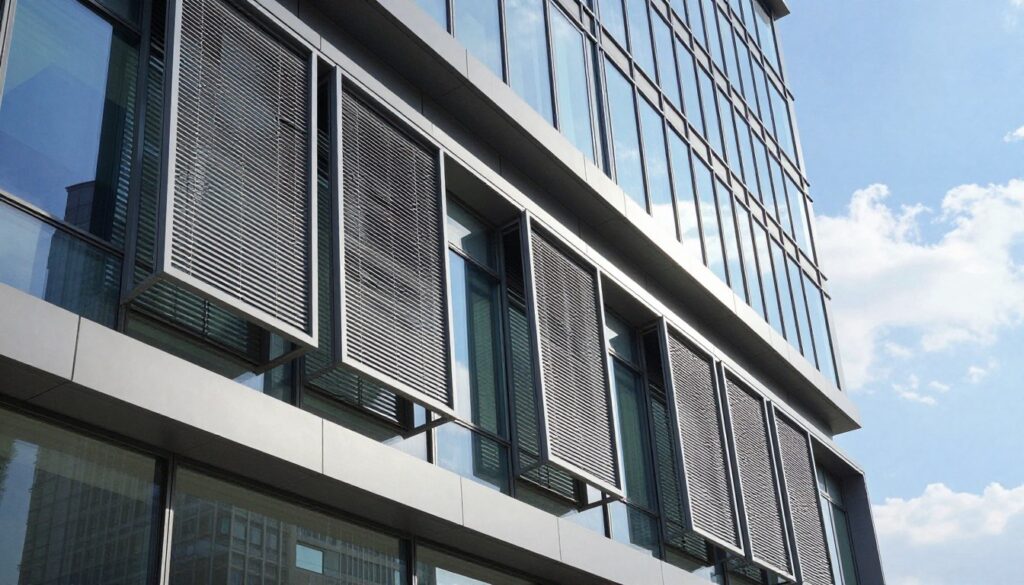
Office buildings use louvers to cut down on glare. This makes workers more productive and less tired. Louvers also save on cooling costs by blocking sunlight.
Airports and parking structures need special louvers. They provide ventilation without risking security or safety. This is important for keeping people safe and comfortable.
Hospitals and data centers use louvers for different reasons. They help control air and keep equipment cool. Schools and homes use them to save money and look good.
| Building Type | Primary Louver Benefit | Performance Priority |
|---|---|---|
| Office Buildings | Glare reduction and cooling efficiency | Energy savings and occupant comfort |
| Airports and Transportation | Secure ventilation with weather protection | Safety and operational reliability |
| Hospitals and Healthcare | Enhanced air exchange and privacy | Infection control and equipment protection |
| Educational Facilities | Natural cooling and noise control | Budget optimization and durability |
| Data Centers | Heat management and equipment protection | Environmental control and reliability |
| Residential Developments | Privacy and architectural distinction | Market positioning and aesthetic value |
Designing with louvers in mind is smart. Buildings with lots of glass save a lot on energy. Projects aiming for green certifications can use louvers to meet those goals. By choosing louvers early, you get the best value for your money and performance.
Conclusion
Architectural louvers are more than just looks for your building. They are systems that solve real problems. By choosing and installing them right, you can cut down on heat, improve air flow, save on energy, and make your building look good. Your building will be more comfortable without losing its style.
The success of louvers depends on the material, how they’re set up, and how they’re installed. Start thinking about louvers early in your project, not as an afterthought. Work with experts who know your area’s climate and what your building needs. Use guides on louvers to pick systems that are tested and meet standards. Make sure your installation team knows how to set them up right for long-term performance.
Seeing louvers as key parts of your building can really pay off. They help you save money, need less upkeep, keep people happy, and make your building more attractive. With today’s energy rules and costs, louvers help your building meet these needs while keeping people comfortable. For your next project, think about how louvers can solve your problems. Talk to experts early and choose systems that fit your needs and style.