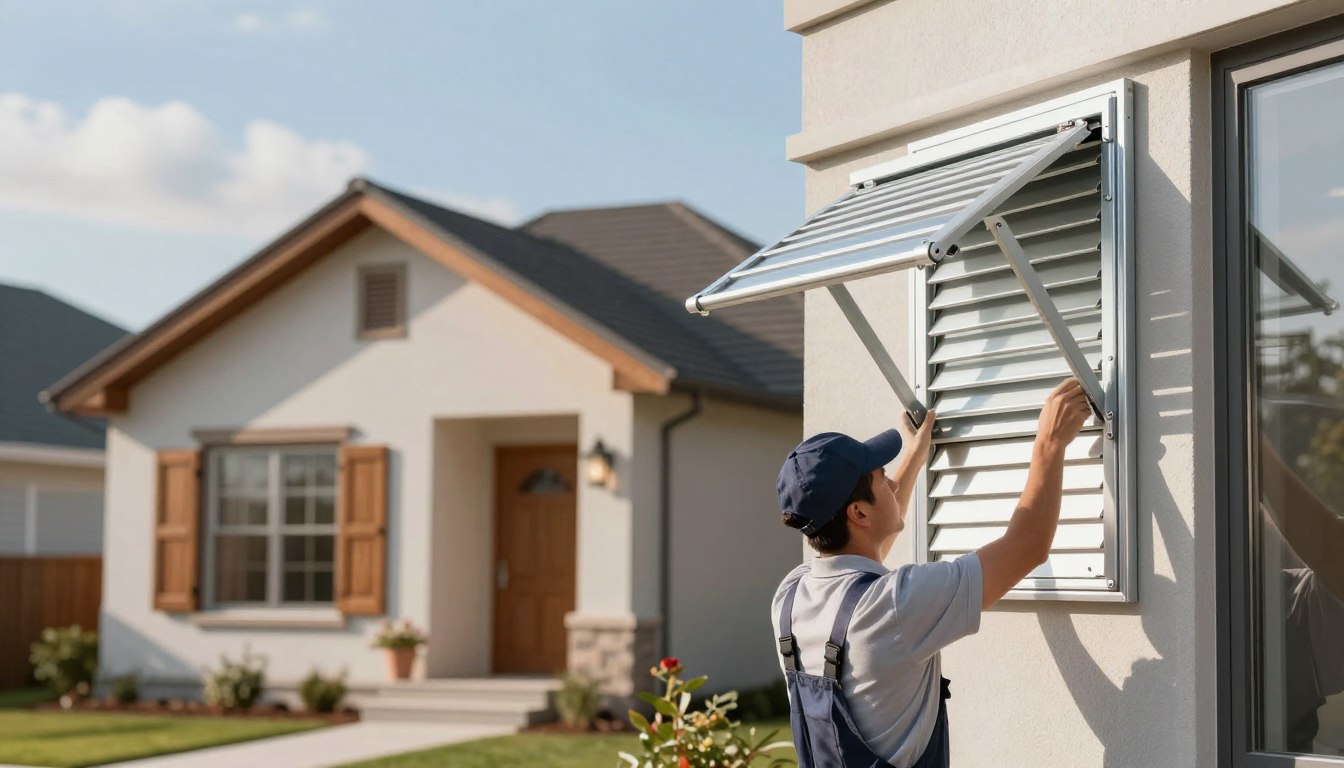
Louvers are architectural elements with angled slats in a frame. They control natural light, airflow, and visibility. You can find them in metal, plastic, wood, or glass. They are used in both commercial and residential buildings in the United States for ventilation, beauty, and energy savings.
Your building might face issues like high energy bills, poor air circulation, and moisture buildup. Louvers solve these problems and enhance your building’s look. They are multifunctional systems that protect your investment and cut down on costs every year.
Architects and builders often suggest affordable privacy fin louvers for modern construction and renovations. Your property benefits from lower utility bills, better performance, and higher value. Whether it’s a commercial space or your home, louvers offer practical solutions that save you money in the long run.
Key Takeaways
- Louvers control airflow, light, and privacy through adjustable angled slats in your building
- They reduce heat and energy costs by blocking direct sunlight while allowing air circulation
- Durable materials like aluminum and steel resist corrosion and require minimal maintenance
- Customizable sizing and angles fit your specific project needs and design preferences
- Both commercial and residential louvers enhance building aesthetics with a modern, sleek appearance
- Your HVAC system workload decreases, lowering monthly utility bills significantly
- Louvers protect against rain, wind, and harsh weather conditions in storm-prone areas
What Are Louvers and How Do They Work in Modern Architecture
Louvers are key in today’s building designs. They help control airflow, light, and weather. Knowing how they work helps in choosing the right ones for your project.
The frame and blades work together. The frame is strong, made from materials like galvanized steel or aluminum. The blades are metal slats that direct air.
Understanding the Basic Structure of Louver Systems
Louver systems have two main parts. The frame is the backbone, made from materials like galvanized steel or aluminum. Inside, the louver blades are metal slats at specific angles to direct air.
The frame keeps everything in place and is durable. The blades do the real work. They are angled between 35 and 45 degrees to let air flow while blocking rain and sunlight. You can find them in vertical or horizontal setups, depending on your needs.
Fixed vs Adjustable Louver Mechanisms
Choosing between fixed and adjustable louvers depends on your building’s needs. Fixed louvers are simple and reliable. They keep a constant angle and need little to no maintenance. They’re great for steady, passive ventilation.
| Louver Type | Blade Angle Range | Best Use Cases | Maintenance Level |
|---|---|---|---|
| Fixed Louvers | 35-45 degrees | Continuous ventilation, passive airflow | Minimal |
| Adjustable Louvers | 0-90 degrees | Variable airflow control, seasonal adjustments | Moderate |
Adjustable louvers offer full control. You can open them fully for more airflow or close them for weather protection. Most have a central control system. This makes them perfect for changing ventilation needs with the seasons or operational demands.
Superior Ventilation and Airflow Control for Your Building
Good building ventilation is key for comfy and healthy indoor spaces. Louvers help manage airflow well. They work with your systems to boost air circulation.
Natural ventilation through louvers brings fresh air without using electricity. This method works all the time, helping your HVAC system. It makes your equipment last longer and saves on maintenance costs.
Adjustable louvers let you control airflow precisely. You can open them more in mild weather for natural air. Adjust them as needed for your HVAC system, adapting to seasons and daily changes.
Placing louvers right helps air move well in your building. Fresh air comes in, and stale air goes out. This works in many places, keeping air clean and fresh without loud fans.
| Ventilation Type | Energy Use | Installation Cost | Maintenance Needs |
|---|---|---|---|
| Natural Ventilation Only | None | Low | Minimal |
| HVAC Ventilation Only | High | High | Regular |
| Combined (Louvers + HVAC) | Reduced | Moderate | Low |
Louvers improve indoor air quality when used with HVAC systems. People breathe better air, and energy use goes down. This smart choice boosts your building’s ventilation.
Enhanced Energy Efficiency and Cost Savings
Your building’s energy use is a big part of your costs. Energy-efficient louvers help control the climate without using power. They work like a natural air conditioner, saving you money on bills.
By placing custom louvers smartly, you can keep your building cool naturally. This reduces the need for air conditioning. Every little change in your thermostat means big savings for your building.
Reducing HVAC System Workload Through Natural Ventilation
Natural ventilation through louvers cools your building for free when it’s mild outside. You can open them to let in fresh air. This lets you turn off your AC when it’s not too hot.
Studies show that raising your AC by just one degree can save about three percent on energy. With custom louvers, you can do this without losing comfort. Your AC works less, lasts longer, and saves you money every month.
Lowering Your Monthly Energy Bills with Strategic Louver Placement
Where you put your louvers matters a lot. Putting them on the east and west sides blocks the sun’s hottest rays. This keeps your building cool while letting in air.
Positioning louvers to catch breezes helps air move naturally. For businesses, putting them on rooftops keeps equipment cool. This way, energy-efficient louvers save a lot of energy all year.
| Louver Placement Strategy | Primary Benefit | Energy Savings Impact | Best Season |
|---|---|---|---|
| East and West Facades | Blocks morning and afternoon sun | 15-20% cooling reduction | Spring and Summer |
| Rooftop Equipment Areas | Prevents solar heat absorption | 10-18% equipment cooling reduction | Summer months |
| Cross-Ventilation Positioning | Captures prevailing breezes | 20-25% HVAC runtime reduction | All seasons |
| South-Facing Installations | Controls winter and summer sun angles | 12-16% seasonal HVAC reduction | Fall and Winter |
| Adjustable Louver Systems | Allows customized angle control | Up to 30% annual energy savings | Year-round |
The best place for louvers depends on your building’s layout and local weather. Putting them in the right spots can save you a lot of money over time.
Improved Indoor Air Quality and Moisture Management
You spend about 90% of your time indoors. This makes the air quality very important for your health. Indoor air often has more pollutants than outdoor air. Things like building materials and cleaning products can make the air worse.
Louvers help by bringing in fresh air. This reduces harmful pollutants. By using quality louvers, you ensure constant air flow. This helps keep the air clean and reduces exposure to allergens.
Poor air quality can cause health issues like respiratory problems and headaches. In workplaces, it can also lower productivity. Good air flow means fewer sick days and better work performance.
Moisture control is also key to keeping your building safe. Moist air can cause mold and mildew, damaging your building. Steel buildings are extra vulnerable to rust from too much moisture.
| Moisture-Related Problems | Consequences Without Proper Louver Benefits | Protection With Moisture Control |
|---|---|---|
| Condensation Buildup | Mold growth and structural damage | Prevented through active air circulation |
| Metal Corrosion | Weakened structural integrity | Metal surfaces stay dry and protected |
| Wood Rot | Expensive repairs and replacement | Wood components remain preserved |
| Insulation Degradation | Reduced energy efficiency | Insulation maintains effectiveness |
Louvers save you money in the long run. They prevent costly repairs and health issues. They keep moisture away from important areas. This keeps your building safe and your air quality good.
Storm Resistance and Weather Protection Benefits
Your building faces threats from severe weather. Rain, wind, and debris can damage it. Quality louvers act as barriers, protecting your investment and keeping air flowing.
Modern louvers offer weather protection and design. They keep your building openings ventilated, no matter the weather. Their design stops water while letting air through.
Rain Defense Capabilities of Modern Louver Designs
Today’s louvers can block 100% of rain. Their blades are angled to stop water, but air flows easily.
Weather protection depends on your area’s rain. Choose louvers that match your local rain patterns. Metal louvers are strong and keep your building safe.
| Rain Defense Level | Protection Type | Best For | Water Penetration Rate |
|---|---|---|---|
| Standard | Basic angled blade design | Moderate rainfall regions | Minimal (5-10%) |
| Enhanced | Multi-stage blade geometry | Heavy rainfall areas | Near zero (0-3%) |
| Maximum | Advanced labyrinth configuration | Tropical/monsoon climates | None (0%) |
Wind Load Protection in Storm-Prone Areas
Coastal and tornado-prone areas need strong louvers. They must withstand high winds. Your louvers should have strong frames and secure blades.
Metal louvers, made from aluminum or steel, are very strong. They can handle harsh weather. Investing in good louvers saves money on repairs and insurance claims.
Designers choose louvers based on wind and rain. Your property gets good ventilation and protection from storms.
Louvers
Choosing the right louver materials is key for your building’s performance and look. The design you pick affects durability, upkeep, and costs over time. Knowing what each material offers helps you make informed choices for your project.
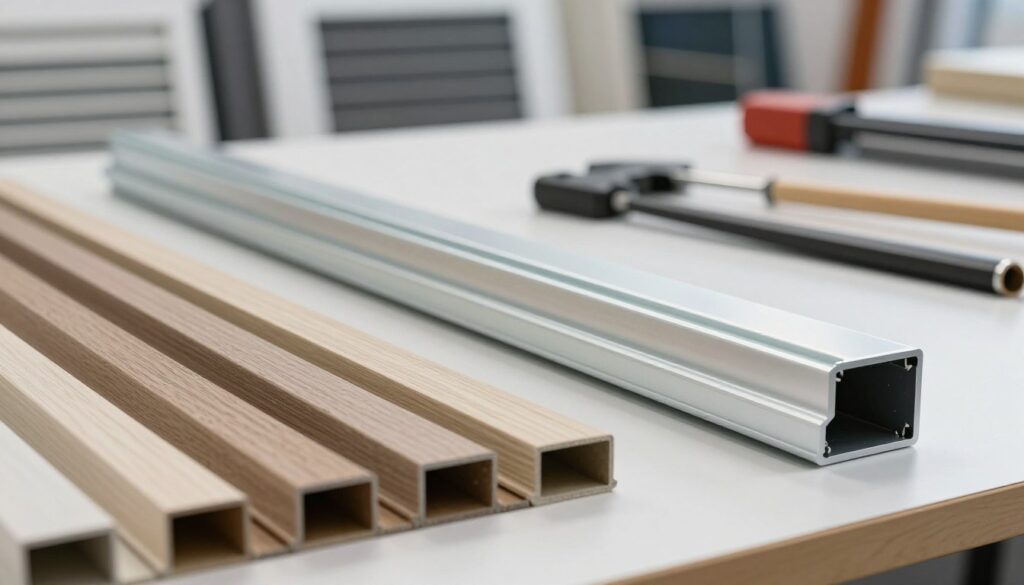
Aluminum louvers are top-notch for most buildings. They resist rust and need little upkeep, perfect for areas with salt air. These louvers are light, making installation easy and reducing building stress. You can choose from many colors with powder-coating to match your building’s style.
Steel louvers are best for projects needing strength and impact resistance. They’re great for industrial and secure areas because they can handle heavy loads. Steel also withstands harsh weather but needs a protective coat to avoid rust.
Wooden louvers add warmth and a natural look to homes and classic buildings. They’re perfect for rustic projects. But, wood needs regular care and can attract termites in some places.
Plastic louvers are good for short-term needs and tight budgets. They’re water-resistant and easy to install. But, they don’t last as long as metal options, so they’re best when cost is more important than durability.
| Material Type | Best For | Durability | Maintenance | Cost Level |
|---|---|---|---|---|
| Aluminum Louvers | Commercial, residential, coastal areas | Excellent, rust-resistant | Minimal | Medium-High |
| Steel Louvers | Industrial, high-impact areas | Superior strength | Moderate with coatings | Medium |
| Wooden Louvers | Residential, classical buildings | Moderate, needs care | High | Medium-High |
| Plastic Louvers | Temporary structures | Lower, water-resistant | Low | Low |
Your louver design should match your building’s needs. Think about your climate, budget, and style goals when picking materials for your next project.
Customization Options for Perfect Aesthetic Integration
Your building deserves louvers that match its style and needs. Standard louvers often don’t fit your vision. Custom louvers let you order exactly what you need.
Design teams can make louvers that fit your project perfectly. This ensures they look great and work well.
Building facade louvers come in many materials. Aluminum is light and easy to maintain. Wood adds a natural touch to high-end spaces. Steel is strong for tough projects.
You can choose materials based on your project’s needs. For green projects, you can use recycled materials.
Material Choices for Your Specific Requirements
The right material makes a big difference. Marine-grade aluminum fights off corrosion near the sea. Galvanized steel is perfect for industrial areas.
You can mix materials or upgrade them for special needs. Powder-coating finishes protect your louvers and come in many colors.
Color and Finish Options to Match Your Building Design
Modern coatings offer many color options. You can choose neutral colors or bold ones. Textured finishes add depth and interest.
Anodized aluminum gives a unique metallic look. Customize your louver design to highlight your building’s style.
| Material Type | Best For | Maintenance Level | Cost Range |
|---|---|---|---|
| Aluminum | General applications, coastal areas | Low | Moderate |
| Steel (Galvanized) | Industrial environments, high durability | Low to moderate | Moderate to high |
| Wood | High-end residential, natural aesthetics | High | High |
| Vinyl | Rot-resistant applications | Low | Low to moderate |
Custom louvers improve your building’s look and function. They are made to fit your exact needs. Working with experts ensures your louvers meet your standards.
Security and Privacy Enhancement for Your Property
Your building’s security is more than just locks and alarms. Architectural louvers act as barriers, protecting ventilation openings while keeping airflow and light. Metal louvers, like aluminum, offer strong protection against unauthorized entry. This is important in areas like mechanical rooms and parking structures.
Aluminum louvers are very durable for security needs. They can withstand a lot of force and stop casual intruders. For places like government buildings, you can get blast-resistant louvers. These are tested to keep buildings safe from explosions and prevent dangerous debris.
Adjustable louvers make privacy easy. You can change the angle of the blades to block views while keeping air flowing. This is great for homes, offices, and hotels where privacy is key.
Getting your louvers installed by pros ensures they work right. They are anchored well and operate smoothly. Adding glass louvered screen doors makes your louvers even more secure without looking like security grilles.
| Louver Type | Security Level | Best Applications | Privacy Control |
|---|---|---|---|
| Aluminum Fixed Louvers | High | Mechanical rooms, parking structures | Complete blocking |
| Steel Blast-Resistant Louvers | Extreme | Government buildings, critical infrastructure | Complete blocking |
| Adjustable Commercial Louvers | Moderate to High | Office windows, ground-floor residences | Variable control |
| Vertical Privacy Louvers | Moderate | Hospitality, residential entrances | Selective viewing |
Keep your louvers in good shape to protect your investment. Regularly oil the hardware and check the blades for damage. This keeps your louvers working well and your building safe from the weather and intruders.
Versatile Applications Across Different Building Types
Louvers play key roles in many building projects. They help both commercial and residential properties. They solve ventilation and look challenges in places like parking garages and rooftops. Knowing how to use them can greatly benefit your property.
Parking Garage Ventilation Solutions
Parking garages need good air flow to stay safe. Car exhaust can build up fast, making air dangerous. Louvers help by letting air in without using energy.
They keep rain out and let air in. This stops water damage and makes driving safer. They also block sunlight, keeping the garage cooler and saving energy.
Rooftop Equipment Screening
Roofs have things like HVAC units and solar panels that can be ugly. Screening louvers hide these while keeping air flowing. They protect equipment from weather and damage.
These louvers make your building look better, which is key in cities. You can pick colors and finishes that match your building. This makes your building look professional and saves money on upkeep.
| Building Application | Primary Benefits | Equipment Protected |
|---|---|---|
| Parking Garage Louvers | Carbon monoxide removal, rain exclusion, temperature control, improved safety | Vehicles, structural elements, air quality systems |
| Rooftop Screening Louvers | Equipment concealment, weather protection, aesthetic improvement, extended lifespan | HVAC units, generators, cooling towers, solar panels |
| Facade Integration | Natural ventilation, light control, architectural appeal, energy efficiency | Interior spaces, mechanical systems, structural components |
Conclusion
Louvers do more than just look good on your building. They control light, air, and privacy while saving energy and protecting against weather. They solve many problems at once, making them a great choice for any building.
Investing in quality louvers saves you money over time. You’ll see lower energy bills and maintenance costs. Your HVAC equipment will last longer, and your property value will go up.
Choosing the right louver supplier is key to your project’s success. Look for someone with the right expertise and customization options. Make sure they offer quality certifications and sustainable products.
Don’t wait to contact a qualified louver supplier for your project. Share your needs and see how louvers can help. Get performance data and pricing to understand your return on investment. The right louvers will improve your building’s performance and look for years.