Your building’s exterior tells a story. Privacy fins are architectural elements that shape how people see your structure. They do more than just decorate your facade. They also improve how your building performs and feels.
Building facade fins serve two key purposes for your commercial space. They catch the eye with their bold shapes and patterns. At the same time, they reduce heat, cut glare, and lower your energy bills. You get visual impact paired with real cost savings.
Think of architectural privacy fins as a smart investment. They protect your interior spaces from harsh sunlight. They create interesting shadows that shift throughout the day. Your occupants enjoy better comfort while your building stands out from the competition.
Architectural fins can be fabricated up to 20 feet in using aluminum or steel materials. You can choose anodizing, powder-coating, or painting to match your design vision. This flexibility means your fins fit your exact needs and style.
In Washington DC and Maryland, building owners are discovering the power of privacy fins. These elements transform tired facades into modern, efficient structures. Your building gains character while your bottom line improves through energy savings.
Key Takeaways
- Privacy fins enhance both the look and function of your building facade.
- Building facade fins reduce solar heat gain and lower energy costs significantly.
- Architectural privacy fins can extend up to 20 feet and come in multiple material options.
- These fins create dynamic shadow patterns that change throughout the day.
- Custom fabrication allows you to match your specific design and performance goals.
- Privacy fins improve occupant comfort by controlling glare and natural light.
What Are Privacy Fins and Why Do They Matter for Your Building
Privacy fins are sleek, exterior-mounted blade systems on your building’s facade. They attach to exterior walls, usually over windows. These fins block sunlight before it enters your building, acting as a first defense against heat.
Privacy fins do more than just block sunlight. They help control the sun’s rays, which means less work for your HVAC system. This leads to lower energy costs and a more comfortable work environment. It’s a smart investment that pays off in the long run.
By using privacy fins, your building can perform better and earn energy efficiency certifications like LEED. These systems show your commitment to sustainable design. They attract tenants and buyers who value modern, efficient buildings.
Privacy fins are both stylish and functional. They add visual interest and help manage your building’s temperature. Unlike window treatments inside, they tackle the problem at the source. They’re a wise choice for those who care about long-term performance and tenant happiness.
| Fin Type | Primary Function | Energy Benefit |
|---|---|---|
| Vertical Fins | East/West sun blocking | Reduces morning and afternoon heat gain |
| Horizontal Fins | South/North glare control | Blocks overhead sun while allowing low winter sun |
| Diagonal Fins | Multi-directional shading | Optimizes solar control throughout the day |
The Dual Purpose of Architectural Fins: Aesthetics Meet Performance
Privacy fins are key in modern building design. They mix beauty with practical benefits. This makes your building stylish and functional.
These fins turn ordinary walls into eye-catching designs. They also solve real problems your building faces. This makes them a smart choice for your budget.
Creating Visual Interest Through Dimension and Shadow Play
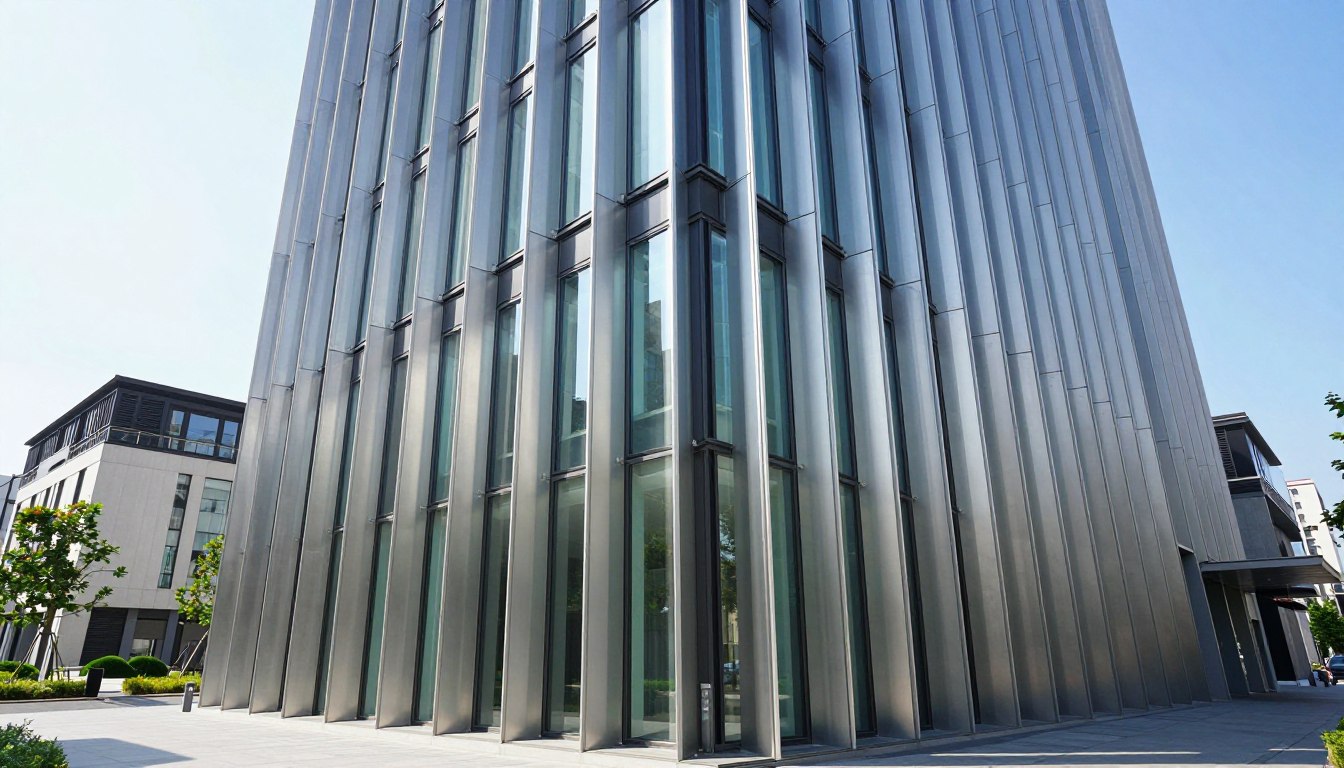
Architectural metal fins add depth and character. They make exterior walls look interesting. The play of light and shadow adds to the appeal.
These fins work with sunlight to create changing patterns. Morning light and afternoon sun make different shadows. This makes your building look alive and change with the seasons.
Functional Benefits Beyond Appearance
Privacy fins do more than look good. They help keep your building cool and comfortable. They also control glare and let in natural light.
These benefits save energy and money over time. They make your building a smart investment.
| Aesthetic Benefits | Performance Benefits |
|---|---|
| Enhanced visual depth and dimension | Solar heat reduction |
| Dynamic shadow patterns | Energy cost savings |
| Signature building identity | Glare control |
| Improved exterior texture | Occupant comfort improvement |
| Modern architectural expression | Meeting energy code requirements |
Your architectural metal fins solve design challenges. They meet energy codes and satisfy tenant needs. This is smart building design that meets your project’s needs.
How Privacy Fins Control Solar Heat Gain and Reduce Energy Costs
Privacy fins act as a shield against unwanted sunlight. They block direct sunlight before it hits your windows. This stops solar energy from turning into heat inside your building.
Your air conditioning system works hard to keep your space cool. Solar heat entering through windows adds to its workload. By using privacy fins, you lessen the cooling load. This means lower energy bills for you.
The right placement of privacy fins is key. The sun’s path changes with the seasons and time of day. Your building’s direction affects how much sun it gets. So, the fins need to be set up differently for each side.
| Facade Exposure | Peak Solar Heat Period | Recommended Fin Depth | Expected Energy Savings |
|---|---|---|---|
| South-Facing | Midday Year-Round | 12-18 inches | 25-35% |
| West-Facing | Afternoon (3-5 PM) | 10-16 inches | 20-30% |
| East-Facing | Morning (8-11 AM) | 10-14 inches | 18-28% |
| North-Facing | Minimal Direct Sun | 6-10 inches | 8-15% |
Privacy fins help all year round. In summer, they keep your building cool. In winter, they let in the right amount of sunlight. This helps your building save energy and money.
Privacy Fin Options: Vertical, Horizontal, and Diagonal Configurations
Your building’s design goals shape which fin configuration works best for your space. Each orientation—vertical, horizontal, and diagonal—offers distinct advantages for sun control, aesthetics, and comfort. Understanding how these three styles perform throughout the day and across seasons helps you select the right solution for your specific needs. Your choice affects both how your building looks and how it functions year-round.
The right fin configuration balances your performance priorities with your design vision. Some buildings need strong afternoon sun protection. Others prioritize visual drama and architectural character. Many projects benefit from combining multiple orientations to achieve layered benefits. Your budget, timeline, and construction schedule also influence which option makes sense for your project.
Vertical Fins for Dynamic Facade Patterns
Vertical fins create bold, linear patterns across your building’s exterior. These fins run from top to bottom and cast dramatic shadows that shift throughout the day. Your east and west-facing walls benefit most from vertical fins because they block low-angle morning and afternoon sun. The shadow lines add depth and visual interest to flat facades. Vertical fins work well for modern designs seeking clean, geometric appeal.
Horizontal Fins for Glare Control
Horizontal fin louvers excel at managing overhead sun, specially on south-facing exposures. These fins extend outward in parallel lines and shield your windows from high-angle sunlight during midday hours. Horizontal fin louvers reduce glare in offices and educational spaces where bright screens and reflections create problems. They allow you to optimize natural daylight while controlling unwanted heat gain. Custom fabricated fins in horizontal orientation give you precise control over angle and spacing for maximum performance.
Diagonal Fins for Movement and Drama
Diagonal fins create dynamic visual movement and visual excitement. These custom fabricated fins angle across your facade at 45 degrees or custom angles that suit your design. Diagonal configurations combine benefits of both vertical and horizontal orientations. Your building gains sophisticated aesthetic character combined with responsive sun management. Diagonal fins work well for signature architectural projects where distinctive appearance matters.
| Fin Configuration | Best Sun Exposure | Primary Benefit | Visual Impact | Installation Timeline |
|---|---|---|---|---|
| Vertical Fins | East and West Walls | Low-angle sun blocking | Bold linear patterns | Standard schedule |
| Horizontal Fin Louvers | South-facing Walls | Glare reduction | Subtle shadow lines | Standard schedule |
| Diagonal Fins | Multiple Exposures | Combined sun control | Dynamic movement | Custom timeframe |
Your project timeline influences which option you select. Standard vertical and horizontal fin louvers ship quickly for fast-track schedules. Custom fabricated fins require longer lead times but deliver unlimited design possibilities. Consulting with your architectural team ensures your fin configuration aligns with your building’s performance goals and aesthetic objectives.
Material Choices for Your Privacy Fins: Aluminum, Steel, and Composite
Choosing the right material for your privacy fins affects your building’s performance, durability, and budget. Aluminum privacy screens and metal sunshade fins have different benefits for your project. Knowing these options helps you pick the best for your location, climate, and maintenance plans.
Aluminum is great for coastal areas because it resists corrosion well and is light. This means your building’s frame needs less support, saving on installation costs. Plus, aluminum doesn’t rust and needs little upkeep over time.
Steel is stronger and more rigid, perfect for longer spans and deeper fins. It’s ideal for designs with big overhangs or open areas. Steel’s strength is worth its extra weight in high-performance applications.
Architectural metal fins come in two main types. Extruded profiles have consistent dimensions and mounting features for easy installation. Sheet metal fabrication allows for custom shapes for unique designs.
| Material Type | Corrosion Resistance | Weight | Cost | Best For |
|---|---|---|---|---|
| Aluminum | Excellent | Lightweight | Moderate | Coastal areas, standard installations |
| Steel | Good (with coating) | Heavy | Moderate | Large spans, deep projections |
| Composite | Excellent | Lightweight | Premium | High-design applications, durability |
Your choice of material affects your building’s cost over time. Aluminum privacy screens save on initial costs. Steel needs stronger support but lasts longer. Think about your building’s location, climate, and maintenance budget when picking materials for metal sunshade fins.
Enhancing Occupant Comfort Through Strategic Fin Placement
Your building’s occupants spend their days working, studying, and collaborating in spaces that demand visual comfort. Privacy fins play a critical role in creating environments where people can focus without distraction or discomfort. Strategic fin placement transforms how light enters your building, directly impacting productivity, tenant satisfaction, and your property’s market value.
Occupant comfort extends far beyond temperature control. Excessive glare causes eye strain, headaches, and reduced work performance. When sunlight floods through windows without control, it defeats the purpose of investing in quality glazing and modern daylighting strategies. Privacy fins address these challenges by managing light in ways that preserve views while eliminating unwanted brightness.
Reducing Glare in Office and Educational Spaces
Glare reduction solutions designed for your building’s orientation make a big difference. East-facing conference rooms need morning sun control to prevent screen glare during video calls and presentations. West-facing open office areas require afternoon protection when the sun’s intensity peaks. Sunshade fins provide precise glare control in these critical zones.
Educational buildings benefit significantly from controlled lighting. Students studying at desks need consistent, soft illumination without bright spots that cause visual fatigue. Privacy fins eliminate the need for heavy blinds that block views and create dark, unwelcoming spaces. Instead, occupants retain their connection to the outdoors while working comfortably.
Natural Daylight Optimization
Daylight control systems designed with strategic fin placement allow natural light to penetrate deep into your building while maintaining visual comfort. Properly oriented fins filter harsh rays while maintaining brightness levels that support circadian rhythms and worker wellbeing. This balance increases tenant retention and supports premium rental rates.
| Building Facade | Primary Challenge | Fin Configuration | Comfort Benefit |
|---|---|---|---|
| East-Facing Offices | Morning glare during work hours | Vertical fins angled 45 degrees | Reduced eye strain, improved screen visibility |
| West-Facing Open Areas | Afternoon heat and glare | Horizontal overhangs 12-18 inches deep | Enhanced comfort, lower cooling costs |
| South-Facing Conference Rooms | Excessive midday brightness | Adjustable horizontal fins | Consistent lighting for meetings and presentations |
| North-Facing Educational Spaces | Flat, even lighting with shadows | Vertical louvers for diffusion | Stable daylight for studying and focus work |
Your investment in privacy fins delivers returns through increased occupant satisfaction and operational efficiency. When employees and students work in visually comfortable environments, productivity rises and absenteeism decreases. These improvements strengthen your property’s competitive position in the market.
Custom Fabrication: Tailoring Fins to Your Building's Unique Needs
Your building is special and deserves unique solutions. Custom fabricated fins let you create architectural privacy fins that fit your exact needs. They turn your design ideas into real-life solutions.
Standard fins work for many buildings. But, some projects need something more. Custom fabrication meets these needs by creating fins that fit your building perfectly.
Fabrication partners can make custom fin shapes for your building. They work with architects to create fins that match your vision. These fins can be up to 20 feet long, fitting most commercial buildings without disrupting the facade.
Custom extrusion profiles include mounting systems and performance features. This makes installation easier and keeps your building weather-tight. While it may cost more, the results are tailored to your needs.
Collaborating with experienced teams can transform your building. Your custom fins will improve comfort, save energy, and make your building stand out.
Sound Control and Acoustic Benefits of Privacy Fin Systems
Your building faces constant noise challenges from traffic, mechanical systems, and urban activity. Privacy fin systems offer a smart solution that many building owners overlook. These architectural elements do more than enhance your building’s appearance. They work as acoustic barriers that reduce unwanted sound from reaching your interior spaces.
When you invest in noise deflection fins, you’re choosing a multi-functional approach to building envelope solutions. This protects occupant comfort.
Sound waves travel in straight paths until they hit an obstacle. Your privacy fins intercept these waves before they reach windows and glazing. The fins deflect sound energy away from your building while absorbing some acoustic energy through their design and material composition.
This dual action creates measurable noise reduction. It does so without requiring heavy acoustic insulation materials.
How Fins Deflect and Absorb Noise
The depth and spacing of your fins directly affect noise reduction performance. Deeper projections and tighter spacing deliver stronger sound control. Your fin orientation relative to noise sources determines how effectively they deflect sound waves.
Fins angled toward traffic or mechanical equipment create better acoustic performance. This is compared to randomly positioned systems.
Building envelope solutions like privacy fins work best in urban environments near highways, airports, or busy streets. While fins aren’t complete acoustic insulation, they reduce exterior noise transmission significantly. Your building envelope becomes smarter when you combine fin systems with strategic glazing choices.
This integrated approach improves occupant comfort. It delivers the solar control and visual benefits you expect from modern architectural design.
Finishing Options: Anodizing, Powder-Coating, and Painting Your Fins
Your privacy fins need protection that lasts. The finish you pick keeps your aluminum safe and looks good. Anodizing, powder coating, and painting are top choices. Each has its own benefits for your project.
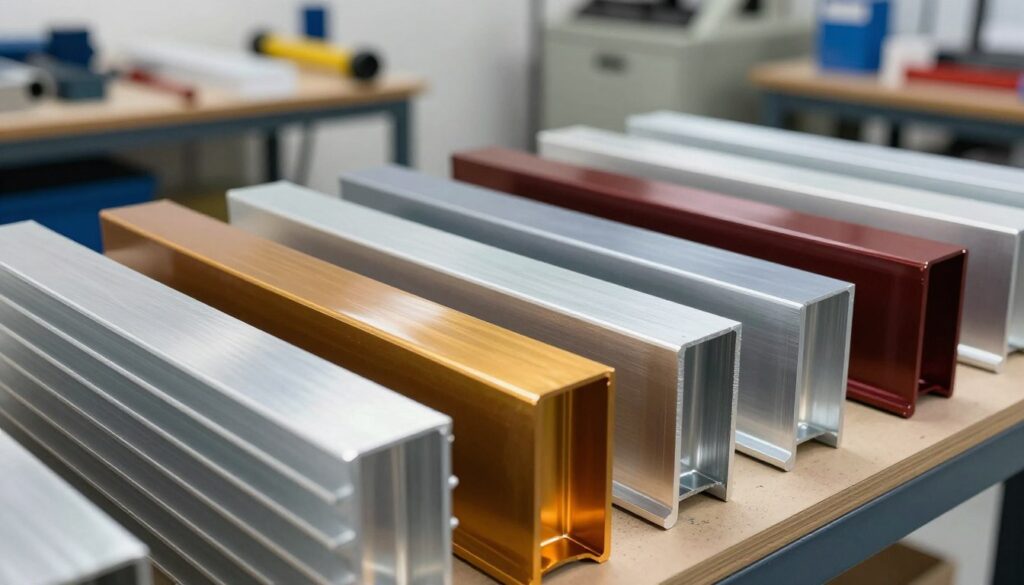
Anodized aluminum fins have a hard oxide layer that’s part of the metal. This layer won’t chip or peel. It’s very durable for outdoor use.
The oxide layer grows into the metal, making it strong. Anodized fins work well in harsh weather. They come in natural aluminum, bronze, or black. Black anodized fins are great for heat transfer, improving performance by 20–35%.
Powder coated fins offer many colors and are very durable. The powder bakes onto the aluminum, creating a tough coating. They’re good for both looks and performance. You can choose from many colors to match your building’s design.
Painting gives you the most color options for custom looks. High-performance paints protect your fins and let you design freely. But, painting needs more upkeep than other methods.
| Finishing Method | Durability | Color Options | Maintenance | Best Uses |
|---|---|---|---|---|
| Anodized Aluminum | Excellent | Limited (3–5 colors) | Minimal | Outdoor, high-traffic areas, thermal performance |
| Powder Coating | Very Good | Unlimited | Low | Commercial buildings, branded designs |
| Painting | Good | Unlimited | Moderate | Custom color matching, interior applications |
Think about your building’s weather and traffic when choosing a finish. Anodized fins are best for coastal areas or polluted places. They resist salt spray and corrosive elements. Learn about the thermal and protective benefits of each finish to make a smart choice.
Cost is also important. Anodizing is cheaper upfront and needs little upkeep. Powder coating costs more but saves money over time. Painting is flexible but needs regular touch-ups.
What your building looks like helps decide the finish. Anodized fins are durable and efficient. Powder coated fins are good for color and brand. Painting is for exact color matching.
Installation Considerations for Maximum Impact in Washington DC and MD
Installing building facade fins in Washington DC and Maryland needs careful planning. You must understand the local conditions and how they affect your project. Wind loads, seismic requirements, and building codes specific to the area are key.
Working with local experts ensures your fins meet all standards. They know the local permitting process well. This saves you time and avoids costly delays. Your team should have experience with commercial building fins and local practices.
Several factors are critical for your fin system’s success. The attachment methods must handle the area’s weather demands. Thermal movement accommodation is also important to prevent damage from temperature changes. Weather-sealing details are needed to keep water out and protect your building.
| Installation Factor | Washington DC Requirements | Maryland Requirements |
|---|---|---|
| Wind Load Specifications | 110 mph design wind speed | 105-115 mph design wind speed |
| Seismic Design Category | Category D | Category D |
| Fabrication Lead Time | 6-8 weeks standard | 6-8 weeks standard |
| Installation Timeline | 2-4 weeks typical | 2-4 weeks typical |
Plan your project schedule with fabrication lead times and delivery in mind. Coordinate the installation with other facade components to avoid conflicts. This careful planning ensures your building facade fins deliver both performance and beauty.
Conclusion
Privacy fins are a smart choice for your building’s performance and appeal. This guide showed how they offer many benefits. They help save on energy costs by controlling heat from the sun.
They also make your building more comfortable by reducing glare and improving daylight. Plus, they give your building a unique look that stands out. In noisy cities, they help control noise.
You’ve seen the many options for your building’s envelope. You can pick from different fin shapes and materials like aluminum and steel. SAF offers these choices to fit your budget and needs.
Finishing touches like anodizing and painting let you customize the look. Planning in Washington DC and Maryland is key to getting the most value.
Now, it’s time to work with experts to design your privacy fins. They’ll make sure your fins meet your goals, budget, and schedule. Your privacy fins will do more than just look good. They’ll make your building more efficient and save you money.
Start planning your privacy fin project today. Find skilled fabricators who can meet your building’s needs. Investing in privacy fins will help your project succeed in the competitive market.