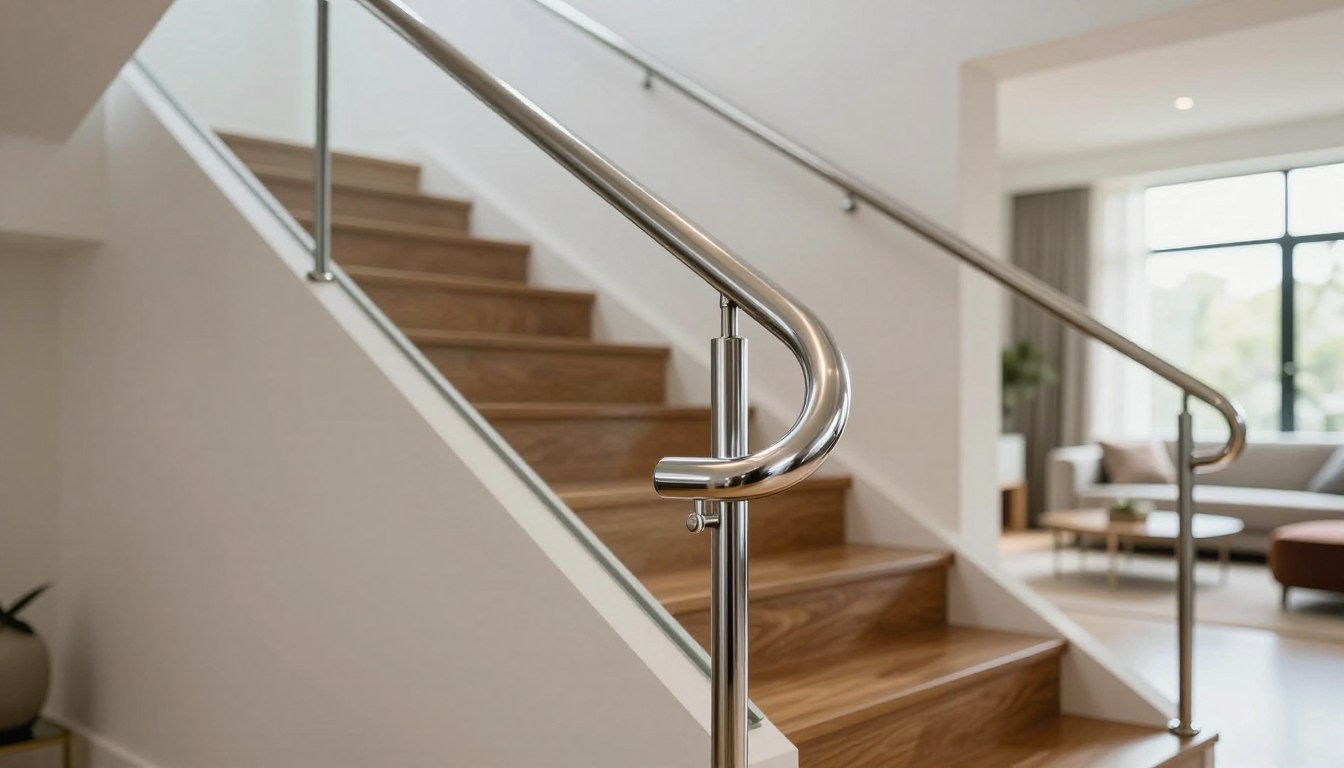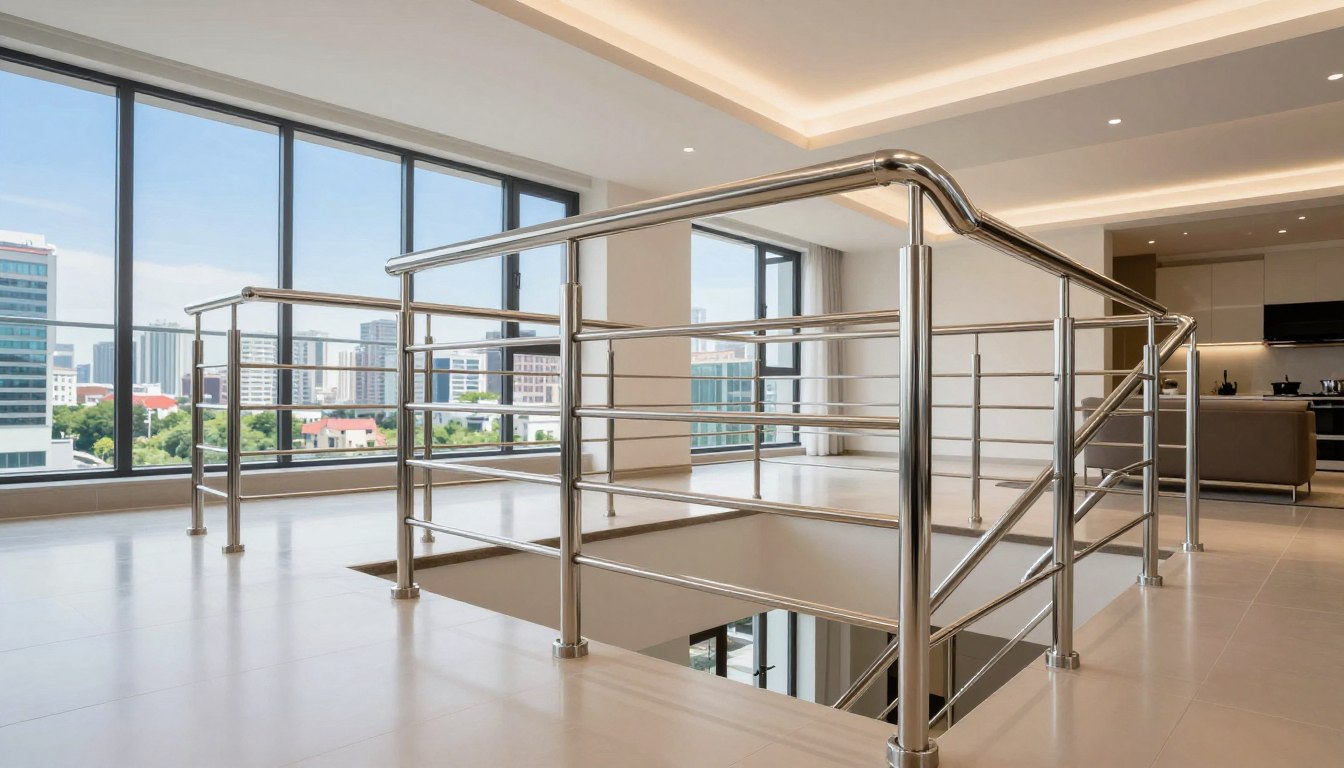
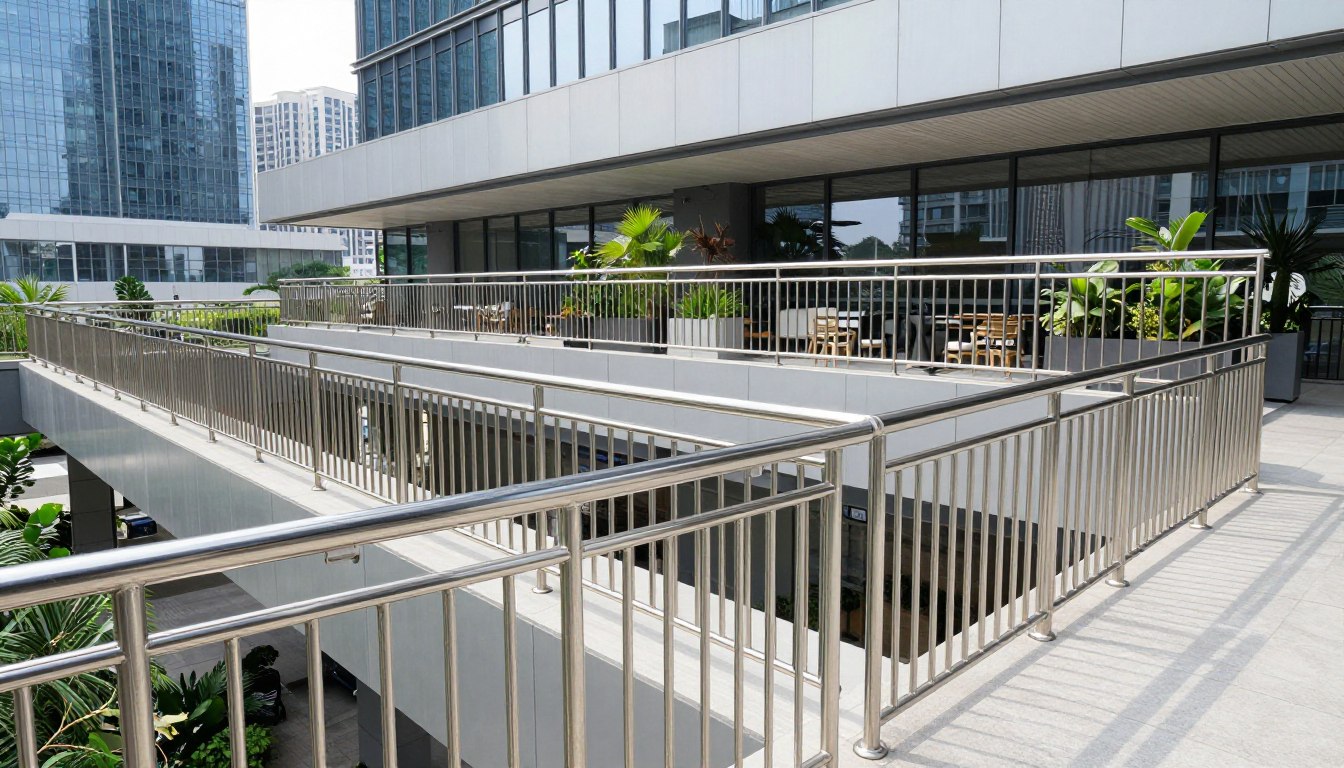
Metal railing systems serve as essential components in modern buildings. They blend safety features with architectural design to create functional yet attractive spaces. These systems protect occupants while adding visual interest to residential and commercial properties.
Building safety remains a top priority for architects and property owners. Metal railing systems deliver structural integrity that meets strict construction standards. They resist wear from constant use and environmental exposure, making them reliable for years to come.
The appeal of metal railing systems extends beyond safety. Modern buildings benefit from the clean lines and contemporary aesthetic that metal railings provide. Property managers and homeowners gain peace of mind knowing their installations meet building safety codes while enhancing curb appeal.
Families with children or elderly members appreciate the sturdy support that metal railings offer. These systems prevent slips and falls on stairs, decks, and balconies. The structural strength of properly installed metal railings gives residents confidence in their everyday movements.
Choosing the right railing system requires balancing practical safety features with design vision. Metal options provide flexibility in materials, finishes, and styles. This combination of form and function makes metal railing systems an intelligent choice for any construction or renovation project.
Key Takeaways
- Metal railing systems combine safety features with modern architectural design
- These systems provide exceptional structural integrity for residential and commercial buildings
- Metal railings resist environmental wear and require minimal maintenance
- Building safety standards require railings that metal systems reliably meet
- Multiple material and customization options allow for unique design visions
- Metal railings protect vulnerable populations including children and elderly occupants
- Long-term durability makes metal systems cost-effective investments
The Growing Popularity of Metal Railing Systems in Contemporary Architecture
Metal railings have become the preferred choice for architects and builders across the United States. This shift reflects the changing demands of modern construction. Designers and property owners now seek solutions that blend safety with visual appeal. Metal railing systems deliver on both fronts, making them essential components in contemporary architecture projects.
The preference for metal over traditional materials stems from multiple practical advantages. These systems offer superior longevity and require far less upkeep than wooden alternatives. Modern designers appreciate the flexibility to create everything from minimalist installations to intricate custom designs. The material’s inherent strength means fewer maintenance calls and lower long-term costs for building owners.
Why Modern Designers Choose Metal Over Traditional Materials
Architects increasingly favor metal railings because they outlast traditional materials significantly. Wood requires regular staining, sealing, and repairs to maintain its appearance and structural integrity. Metal options demand minimal maintenance while delivering consistent performance year after year.
The design versatility of metal railings sets them apart from conventional choices. Clean lines, horizontal elements, and cable systems create an open, sophisticated look that defines current architectural trends. Glass panels paired with metal frames offer transparency without sacrificing safety. These customizable options allow metal railings to fit seamlessly into diverse architectural, from classic staircases to cutting-edge modern installations.
| Material Type | Lifespan | Maintenance Level | Design Flexibility | Cost Range |
|---|---|---|---|---|
| Metal Railings | 20-40+ years | Minimal | Highly Customizable | Mid to Premium |
| Wood Railings | 10-15 years | High | Limited | Low to Mid |
| Vinyl Railings | 15-20 years | Moderate | Moderate | Mid-Range |
| Composite Materials | 20-30 years | Moderate | Limited | Mid to Premium |
The Versatility of Metal Railings Across Residential and Commercial Spaces
Metal railing systems perform exceptionally well in both residential and commercial environments. In residential spaces, they enhance indoor staircases, balconies, and outdoor decks with elegant finishes. Homeowners appreciate the blend of safety features and aesthetic appeal that metal provides to entryways and elevated areas.
Commercial spaces benefit equally from metal railing installations. High-traffic areas demand durable barriers that withstand constant use without degradation. Office buildings, retail centers, and public venues rely on metal railings for both safety compliance and professional appearance. The same core material adapts seamlessly across different applications, creating design consistency throughout building portfolios.
Stainless steel cables and horizontal rail systems represent current trends in commercial design. These elements create an open, modern atmosphere while maintaining structural integrity. The sleek silhouette adds visual dimension to any space without overwhelming architectural details. Whether upgrading a historic residential staircase or installing railings in a contemporary office building, metal systems deliver reliable performance and design versatility that traditional materials cannot match.
Unmatched Durability and Structural Strength
Metal railings stand out as a premier choice for building safety systems because of their exceptional durability and structural strength. Unlike traditional materials, metal railing systems maintain their integrity under constant stress and heavy use. The engineering behind these systems ensures that structural strength remains consistent across decades of daily exposure to foot traffic and environmental conditions.
The long-lasting performance of metal railings comes from their superior load-bearing capacity. Iron and steel railings can support substantial weight without bending or breaking. This makes them ideal for high-traffic areas like hotels, office buildings, and busy households where people rely on railings for support throughout the day. The structural integrity of these systems never weakens, even after years of continuous use.
Wear resistance represents another critical advantage of metal railings. These systems resist corrosion, rust, and environmental damage whether installed indoors or outdoors. Coastal properties, industrial facilities, and weathered climates all benefit from metal’s natural ability to withstand harsh conditions. The durability of metal railings means property owners avoid expensive replacements or repairs that plague wooden or composite alternatives.
| Material Type | Load Capacity | Wear Resistance | Lifespan | Maintenance Needs |
|---|---|---|---|---|
| Stainless Steel Railings | 2,000+ lbs | Excellent | 30+ years | Minimal |
| Aluminum Railings | 1,500+ lbs | Very Good | 25+ years | Low |
| Iron Railings | 2,500+ lbs | Good with coating | 30+ years | Moderate |
| Wood Railings | 1,000 lbs | Poor | 10-15 years | High |
The financial logic behind choosing metal railings becomes clear when considering long-term value. Investing in structural strength today means avoiding costly repairs or replacements down the road. Commercial properties benefit significantly because metal railings maintain their appearance and function without requiring constant maintenance. Property managers can redirect budgets away from railing upkeep and toward other building improvements.
Real-world applications prove the worth of this durability. Airport terminals, shopping malls, and residential high-rises all depend on metal railing systems to protect occupants safely. These installations demonstrate how long-lasting performance creates reliable safety support that justifies the initial investment while delivering peace of mind for decades to come.
Enhanced Safety Features That Protect Occupants
Metal railing systems serve as critical safety features in residential and commercial buildings. These systems provide reliable support that helps prevent accidents and injuries in stairs, balconies, and walkways. Unlike materials that degrade over time, metal railings maintain consistent strength and structural integrity throughout their lifespan. This durability directly supports occupant protection by offering stable, dependable handholds in high-traffic areas where accidents are most likely to occur.
Building safety depends on railings that meet strict specifications and performance standards. Metal railing installations are engineered to exceed minimum requirements, ensuring your property remains compliant and safe for everyone who enters.
Compliance with Building Codes and OSHA Standards
Metal railings must meet specific building codes and OSHA standards established across the United States. These regulations define exact requirements for railing height, balusters spacing, load capacity, and grip diameter. Quality metal railing systems are designed from the ground up to satisfy these requirements without compromise. Proper installation ensures your railings pass inspections and protect your property from liability exposure.
OSHA standards specify that railings must withstand 200-pound force requirements and maintain proper height clearances. Metal materials excel at meeting these demanding specifications consistently. When you install compliant metal railings, you demonstrate your commitment to safety and reduce potential legal concerns.
Sturdy Support for High-Traffic Areas and Vulnerable Populations
High-traffic areas demand railings with exceptional strength and reliability. Metal railings provide the sturdy support necessary for busy staircases, office buildings, and public spaces. Child safety improves dramatically when railings feature proper spacing and secure construction that prevents small bodies from passing through.
| Population Group | Safety Benefit | Metal Railing Advantage |
|---|---|---|
| Children | Prevention of falls and entrapment | Secure spacing and non-degrading strength |
| Elderly individuals | Stable handholds and balance support | Consistent grip surface and load capacity |
| People with mobility challenges | Reliable assistance during movement | Reinforced structure and ergonomic design |
| General occupants | Fall prevention in high-traffic areas | Durability and weather resistance |
Elderly safety requires railings that provide consistent support without shifting or flexing. Metal railings deliver this stability year after year, maintaining their protective function in both indoor and outdoor environments. The reinforced construction ensures long-term safety and usability for all occupants, regardless of age or physical ability.
Aesthetic Appeal and Design Flexibility
Metal railing systems serve as far more than functional safety elements. They function as prominent design features that transform architectural spaces into visually striking environments. The aesthetic appeal of metal railings stems from their ability to complement virtually any design vision, from minimalist contemporary spaces to ornate traditional settings. Property owners and designers gain access to exceptional design flexibility that other materials simply cannot match.
The modern aesthetic achieved through metal railings comes from clean lines and precision engineering. Horizontal balusters create sleek silhouettes that define contemporary architecture. Vertical elements add dimension and visual interest to staircases and deck areas. This combination produces a refined look that enhances the overall character of any space. Metal’s inherent properties allow fabricators to create complex designs with accuracy that would be impractical with traditional materials.
Different architectural styles benefit from metal railings in distinct ways. Cable railing systems using marine-grade stainless steel offer unobstructed views with minimal visual impact. Custom aluminum fabrication enables unique shapes and intricate patterns tailored to specific requirements. Powder-coated finishes in various colors dramatically alter the visual impact and complement specific design schemes. Brushed stainless steel provides understated elegance, while decorative elements can be integrated to match heritage properties.
Material combinations expand design options even further. Metal balusters pair beautifully with natural wood accents, blending materials to add warmth without sacrificing strength. This hybrid approach works across residential and commercial environments. Learn how railings improve the aesthetics of commercial through strategic material selection and customization. The design flexibility of metal railings means choosing them delivers signature architectural features that elevate entire properties while maintaining safety performance and structural integrity.
Low Maintenance Requirements and Long-Term Value
Metal railing systems stand out for their exceptional ease of care and durability. Unlike traditional building materials, metal railings demand minimal attention to stay in perfect condition. A quick wipe-down with a soft cloth keeps them looking fresh for years. This low maintenance approach saves time and effort compared to materials that require constant upkeep.
The real advantage lies in understanding total cost of ownership. When you invest in metal railings, you’re choosing a solution that protects your budget over decades. Property owners quickly discover that the upfront investment pays off through eliminated recurring expenses.
Resistance to Corrosion, Rust, and Environmental Wear
Modern metal railings feature advanced protective coatings that shield against harsh weather conditions. Powder-coated finishes create barriers that prevent corrosion and rust from developing. These protective layers withstand rain, snow, salt spray, and intense UV rays without deteriorating.
Environmental wear affects most building materials over time. Metal railings resist mold, mildew, and insect damage that plague wooden structures. The corrosion resistance built into quality metal systems means you avoid costly repairs and replacements that plague other materials.
Cost-Effectiveness Over Time Compared to Wood Railings
Wood railings require constant attention. Regular painting, sealing, and repairs add up quickly. Pest damage, rot, and warping create unexpected maintenance costs that strain budgets.
| Material Type | Initial Cost | Annual Maintenance | 10-Year Cost | 30-Year Cost |
|---|---|---|---|---|
| Metal Railings (Powder-Coated) | $3,500 | $100 | $4,500 | $6,500 |
| Wood Railings | $2,200 | $600 | $8,200 | $20,200 |
| Aluminum Railings | $2,800 | $75 | $3,550 | $4,850 |
The cost-effectiveness of metal becomes clear when you calculate expenses across years. Metal railings deliver superior long-term value because maintenance costs stay minimal. Your investment in rust resistance and corrosion protection pays dividends throughout the lifespan of your installation. Budget-conscious property managers find that metal railings make financial sense when planning for decades ahead.
Material Options: Aluminum, Iron, and Stainless Steel Railings
Choosing the right railing materials is essential for your building project. The metal types you select will affect safety, appearance, durability, and long-term costs. Understanding your material options helps you make an informed decision that matches your specific needs and budget. Three primary choices dominate the railing industry: aluminum railings, iron railings, and stainless steel railings. Each material offers distinct advantages and performance characteristics that suit different applications and environments.
Aluminum railings have gained significant popularity in contemporary construction. These lightweight metal types provide exceptional corrosion resistance without heavy maintenance requirements. High-quality aluminum alloys resist rust and fading even in harsh coastal or high-moisture environments. Installation becomes simpler because aluminum weighs considerably less than iron or steel. Powder-coated aluminum finishes deliver durability and chip resistance while offering aesthetic flexibility. Anodizing creates a sleek metallic appearance, and painting allows for a wide range of colors to match your design vision.
Iron railings bring traditional elegance and remarkable strength to residential and commercial spaces. This material withstands environmental stress exceptionally well and can be formed into intricate decorative designs. Iron railings suit properties where classic aesthetics matter. Regular maintenance with protective coatings keeps iron railings performing optimally over decades.
Stainless steel railings represent the premium choice among railing materials. Superior corrosion resistance makes stainless steel ideal for coastal properties and humid climates. This metal type requires minimal upkeep while maintaining a modern, polished appearance that enhances contemporary architecture.
| Material Type | Weight | Corrosion Resistance | Maintenance Level | Cost Range | Best Applications |
|---|---|---|---|---|---|
| Aluminum Railings | Lightweight | Excellent | Low | Moderate | Coastal areas, residential homes, modern designs |
| Iron Railings | Heavy | Good with coating | Moderate to High | Moderate | Traditional properties, decorative designs, estates |
| Stainless Steel Railings | Medium | Superior | Very Low | Premium | High-end properties, coastal zones, commercial buildings |
Selecting between aluminum railings, iron railings, and stainless steel railings depends on your environmental conditions, design preferences, and financial considerations. Aluminum excels in moisture-prone areas with budget consciousness. Iron suits traditional aesthetics with moderate maintenance expectations. Stainless steel justifies its premium price through superior performance and minimal upkeep. Understanding these railing materials ensures your investment aligns with your project’s unique requirements and long-term goals.
Customization Possibilities for Unique Architectural Visions
Metal railing systems stand out because they offer endless ways to match your specific design goals. Whether you’re building a residential staircase or a commercial balcony, customization lets you create a railing that fits your exact needs. The beauty of modern design elements lies in their flexibility. You can mix different materials and finishes to achieve the perfect look for your space.
Every project is unique, and your railing should reflect that vision. From sleek contemporary styles to ornate traditional designs, custom designs allow architects and property owners to realize their architectural dreams without compromise.
Glass Panels, Cable Systems, and Decorative Balusters
Your railing’s infill choices dramatically shape its appearance and function. Glass panels create an open, airy feel while maintaining safety standards. These frameless options maximize sight lines and work beautifully in modern settings. Cable systems offer a sleek, industrial aesthetic that’s popular in contemporary architecture. The thin metal cables create minimal visual obstruction while providing secure handholds.
Decorative balusters give you personality and style options. You can choose simple vertical bars for minimalist designs or ornate scrollwork patterns for classic elegance. Many property owners blend multiple infill types to create distinctive installations. Architectural railing solutions allow you to mix glass, cable, and balusters in combinations that suit your vision perfectly.
| Infill Option | Best For | Visual Style | Maintenance Level |
|---|---|---|---|
| Glass Panels | Open spaces needing views | Contemporary and modern | Low (occasional cleaning) |
| Cable Systems | Industrial and modern aesthetics | Minimalist and sleek | Low (rust-resistant) |
| Decorative Balusters | Traditional and ornate designs | Classic and elegant | Medium (finish maintenance) |
| Mixed Materials | Unique, signature designs | Custom and distinctive | Medium (varied finishes) |
Powder-Coated Finishes and Modern Design Elements
Powder-coated finishes transform your railing’s appearance while adding protective durability. This coating process applies a dry powder that bonds to the metal surface, creating a chip-resistant finish that lasts for years. You can choose from virtually any color imaginable to match your brand identity or architectural style.
Modern design elements work hand-in-hand with finish selection. A matte black powder coating creates an industrial edge, while soft whites and grays evoke contemporary sophistication. Metallic and specialty finishes add visual depth and visual interest. Your custom designs aren’t limited by color choices or coating options. The combination of quality finishes and thoughtful design creates installations that enhance property value and make lasting impressions on visitors.
Quality customization ensures your railing system becomes a signature architectural feature rather than a basic safety requirement. Every choice in material, infill, and finish contributes to a cohesive design that reflects your vision and elevates your entire property.
Indoor and Outdoor Applications for Metal Railings
Metal railing systems shine in both residential and commercial settings. Indoor applications range from grand entrance staircases to interior balconies overlooking multi-story spaces. Staircase railings crafted from metal create a modern welcome for guests while maintaining structural integrity in high-traffic areas. Within homes and office buildings, these railings complement contemporary and industrial design schemes with clean lines and sophisticated finishes.
Outdoor applications demand different performance standards. Deck railings face constant exposure to rain, snow, and UV rays. Balcony railings protect residents while enhancing curb appeal. Versatile installations using stainless steel or aluminum resist corrosion and fading without requiring frequent maintenance. These materials withstand temperature extremes and weather conditions that would damage traditional wood alternatives.
The beauty of metal railing systems lies in their universal applicability. Whether managing a single-family home or multiple commercial properties, you gain consistent aesthetics across your entire portfolio. Aluminum deck railings provide excellent safety support while delivering the modern appearance homeowners desire. Rooftop terraces, poolside barriers, and exterior staircases all benefit from metal’s durability and design flexibility.
| Application Type | Best Material | Key Benefits |
|---|---|---|
| Indoor staircase railings | Steel or aluminum | Modern aesthetics, design flexibility, low maintenance |
| Outdoor deck railings | Aluminum or stainless steel | Weather resistance, no repainting, long lifespan |
| Balcony railings | Stainless steel | Corrosion resistance, durability, elegant appearance |
| Rooftop installations | Powder-coated aluminum | Lightweight, UV protection, design options |
Investing in metal railings provides a comprehensive solution across your property. The consistency of sourcing, installation, and maintenance simplifies property management. Whether you’re upgrading a single balcony or equipping an entire commercial complex, metal railing systems deliver reliable performance and visual appeal across every environment.
Professional Installation and Expert Design Considerations
Getting metal railings installed correctly makes all the difference in safety and appearance. The installation process starts with a careful site assessment where professionals measure your deck, stairs, or balcony with precision. These measurements ensure that every component fits perfectly into your space. Working with experienced installers protects your investment by guaranteeing that your railing system meets all safety standards and local regulations.
Expert design considerations shape how your railing performs and looks. Professionals evaluate load calculations, mounting surfaces, and structural requirements before installation begins. They assess how your new railing integrates with existing building features and architectural styles. This planning phase prevents costly mistakes and ensures proper installation from the start. Your designer will also review building compliance requirements specific to your location, including any ADA accessibility needs that apply to your project.
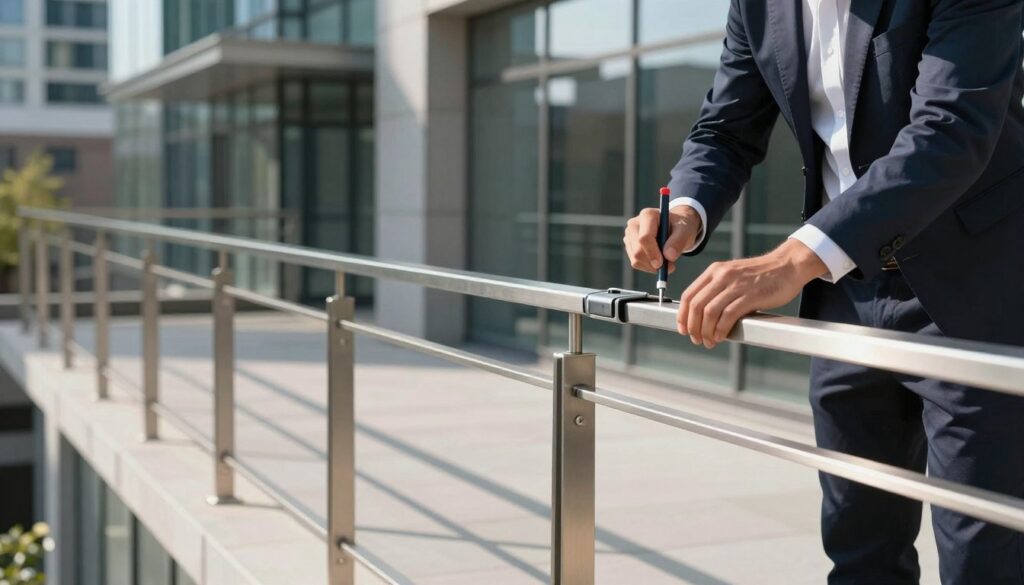
The installation process follows a logical sequence that builds a stable, durable railing. Aluminum posts get installed first, then top and bottom rails are secured in place. Specialized elements like glass panels or cable infills come last. This order ensures structural integrity throughout the assembly. Following manufacturer’s instructions and local building codes is not optional—it keeps your railing system secure and functional for years ahead.
Professional installation delivers quality that DIY approaches cannot match. Certified installers understand building compliance requirements and how to navigate inspection processes. They use proper tools and techniques to achieve perfect alignment and finish quality. Your railing investment performs as designed only when proper installation standards are followed from beginning to end.
| Installation Phase | Key Tasks | Professional Standards |
|---|---|---|
| Site Assessment | Measure dimensions, evaluate mounting surfaces, assess structural requirements | Precise measurements within 1/8 inch tolerance for proper fit |
| Design Planning | Review building codes, load calculations, ADA compliance, architectural integration | Expert design that meets all local regulations and building compliance |
| Post Installation | Secure aluminum posts at correct spacing and depth | Posts installed to engineering specifications for structural support |
| Rail Assembly | Attach top and bottom rails using proper hardware | Professional installation ensures secure connections and alignment |
| Infill Installation | Add glass panels, cable systems, or balusters | Proper installation of all components following manufacturer guidelines |
| Final Inspection | Test stability, verify compliance, apply finishes | Building compliance verification and safety testing before completion |
Working with professional installers means your metal railing system passes inspections and delivers the expected lifespan. Expert design paired with proper installation creates railings that are both safe and beautiful. This approach protects your property value and ensures your railing performs reliably for decades to come.
Conclusion
Metal railing systems represent a smart choice for anyone seeking modern building solutions that deliver real value. These systems excel at balancing safety and style in ways that traditional materials simply cannot match. By choosing metal railings, property owners gain a solution that protects occupants while adding visual appeal to any space. Whether your project involves residential staircases or commercial buildings, metal railings provide the perfect foundation for creating spaces that look great and perform even better.
The railing system benefits extend far beyond initial installation. Durability stands out as a key advantage, with aluminum, stainless steel, and iron options lasting decades without significant degradation. Maintenance demands remain minimal compared to wood or other materials, which means lower upkeep costs throughout the years. Customization possibilities allow you to match your unique design vision, from glass panels to decorative balusters. Your metal railing investment pays dividends through enhanced property value, reduced replacement expenses, and lasting architectural impact that impresses for years to come.
Taking action is straightforward. Reach out to qualified railing specialists who understand your specific needs and project requirements. Request detailed quotes from experienced installers familiar with both residential and commercial applications. Begin your design process by discussing your vision with professionals who can guide you toward the best material choice and configuration. Your next step leads to spaces that combine safety and style in ways that truly matter to building occupants and visitors alike.