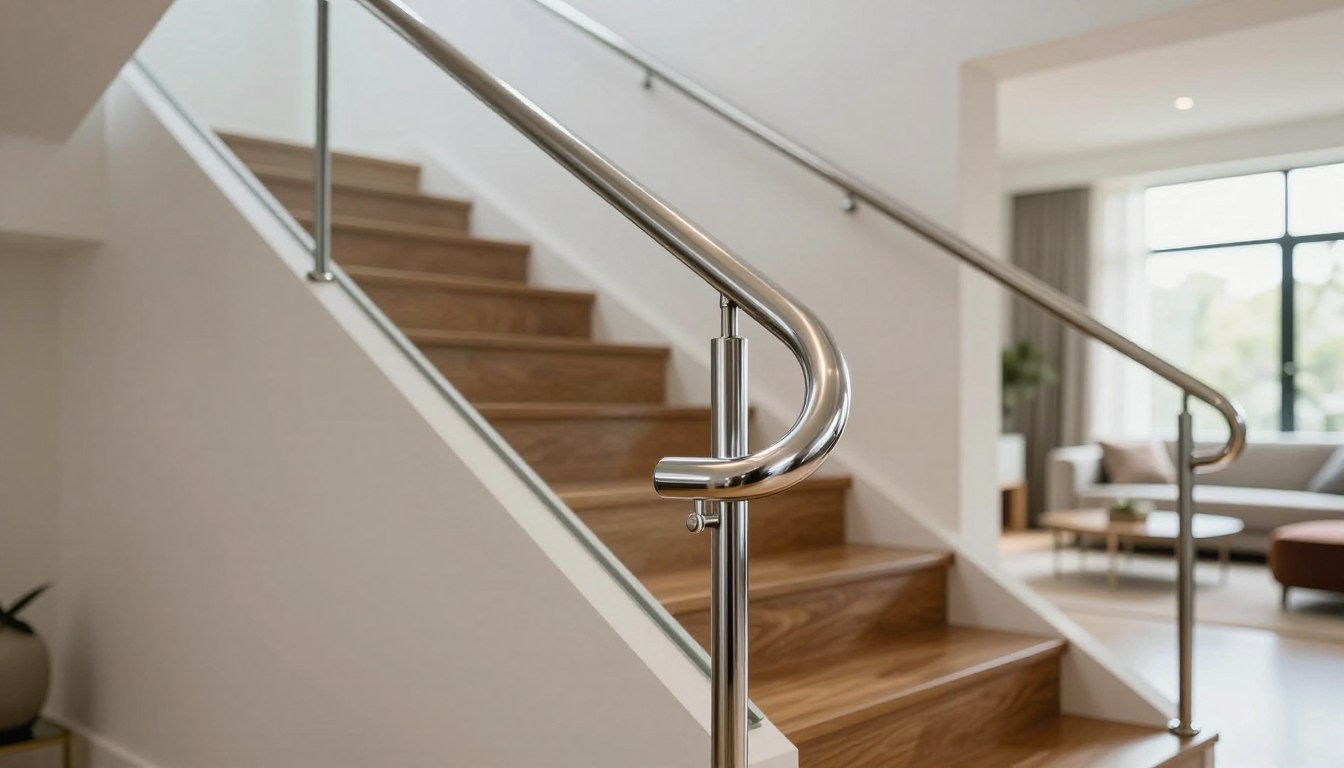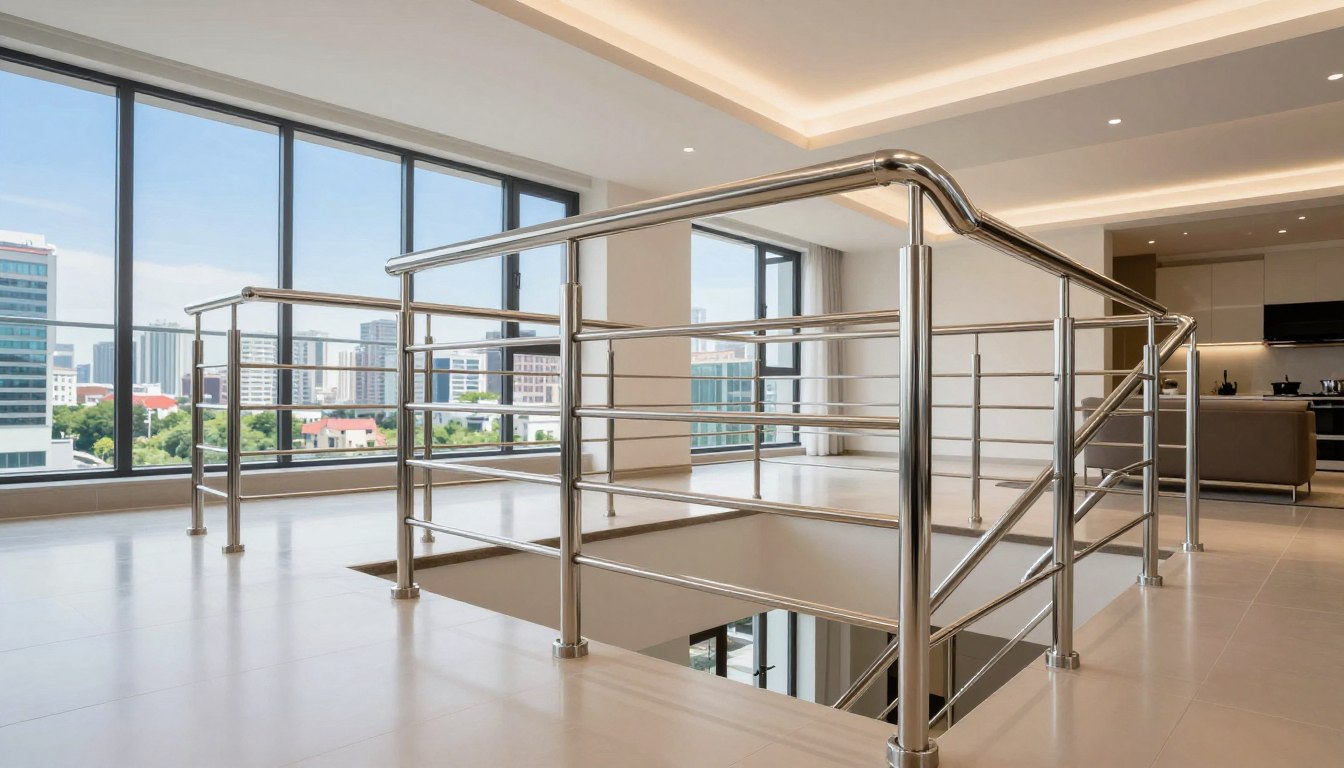
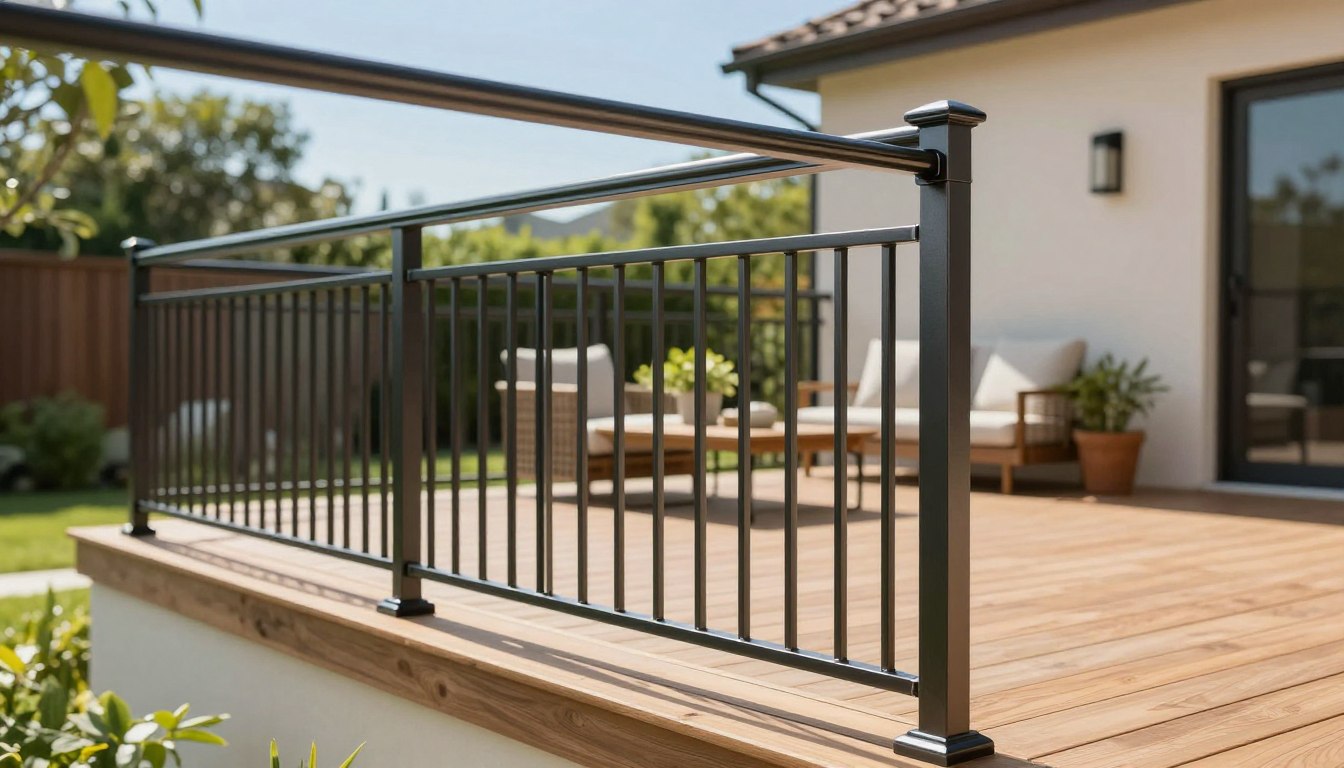
Metal railing systems have become the go-to choice for homeowners and contractors across the United States. These outdoor metal railings offer a winning combination of strength, beauty, and lasting value that few other materials can match. When you invest in the right deck railing systems, you protect your family while boosting your home’s curb appeal and resale value.
The market offers numerous options for choosing deck railings. Brands like AFCO Pro, Westbury, Century, and Trex Signature railing deliver quality aluminum solutions. For those seeking maximum strength, Fortress FE26 provides excellent steel railing performance. Each metal railing system comes in various designs, profiles, and finishes to suit your home’s outdoor aesthetic.
Metal railings resist corrosion, rust, decay, and insect damage that plague wood railings. These systems maintain their structural strength and visual appeal for decades without fading or deteriorating. This durability translates to lower maintenance costs and fewer replacement headaches down the road.
Selecting the right metal railing system requires careful thought about several key factors. Your choice impacts safety, functionality, style, and long-term satisfaction with your outdoor space. This guide walks you through five essential considerations that lead to smarter decisions and better outcomes.
Key Takeaways
- Metal railing systems offer superior durability and resistance to weather damage compared to traditional materials
- Popular deck railing systems include aluminum brands like AFCO Pro and Westbury, plus steel options like Fortress FE26
- Outdoor metal railings require minimal maintenance while lasting for decades without fading or structural decline
- Choosing deck railings involves balancing material selection, color coordination, and design preferences with building codes
- Strategic planning for your metal railing system investment pays dividends in safety, aesthetics, and property value
- View optimization and privacy considerations shape how your railing design enhances your outdoor living space
Understanding Metal Railing Systems as Essential Design Elements
Metal railing systems serve as critical components in any outdoor space. These structural railings combine safety with visual appeal, making them foundational to your deck’s success. Your deck perimeter becomes more than just a boundary when you install quality metal railings. They establish the character of your entire outdoor living space design while meeting strict safety requirements.
Railings function as the threshold between your home’s comfort and the natural world beyond. They protect your family and guests while creating an architectural statement. The right choice in railing materials and design elevates your property’s value and enhances how people experience your outdoor area.
The Structural and Aesthetic Role of Railings
Structural railings must meet building code requirements for load capacity and wind resistance. These design elements protect against falls and provide stability on elevated surfaces. Metal railings offer excellent strength-to-weight ratios, making them ideal for both residential and commercial applications.
Beyond safety, aesthetic railings transform your deck’s visual impact. Different metal profiles create varying looks, from modern minimalist designs to traditional ornamental styles. The finish you select—brushed, powder-coated, or natural—influences how your railing complements your home’s exterior.
How Metal Railings Define Your Outdoor Living Space
Your outdoor living space design reaches its potential when railings work harmoniously with your deck’s layout and landscaping. Metal railings frame views, establish sight lines, and create visual boundaries that enhance the connection between indoor and outdoor areas. Strategic railing placement maximizes natural light while maintaining privacy where needed.
| Railing Feature | Structural Benefit | Design Impact |
|---|---|---|
| Post Spacing | Supports load distribution | Creates visual rhythm along deck perimeter |
| Baluster Style | Prevents fall hazards | Defines aesthetic railings appearance |
| Material Selection | Ensures durability and safety | Complements outdoor living space design |
| Finish Options | Protects against weather damage | Enhances overall deck appearance |
Metal railings represent investments in both infrastructure and design quality. They anchor your outdoor living space design while serving essential protective functions. Quality structural railings become invisible workhorses, allowing your deck’s beauty and your property’s character to shine through clearly.
Balancing Durability with Low-Maintenance Materials
When selecting deck railings, choosing high-performance materials makes a real difference in your lifestyle. You want to spend weekends enjoying your outdoor space, not scrubbing, staining, or repairing railings. Traditional wood demands constant attention—annual staining, sealing treatments, and regular inspections for rot and decay. This ongoing cycle drains both time and money from your budget. Modern metal railing systems offer a smarter alternative that keeps your deck looking great with minimal effort.
Metal railings stand out as durable railing materials because they resist the elements that damage other options. Powder-coating creates a protective factory-applied finish that shields against moisture, UV rays, salt spray, and temperature swings. This rust-resistant railings solution means no peeling paint, no water damage, and no costly replacements down the line. Low-maintenance railings made from quality metals require only occasional washing with mild soap and water to remove dirt or grime.
Weather-resistant metal holds up beautifully in harsh conditions. Rain, snow, hail, and intense sunlight pose no threat to properly treated aluminum or steel systems. The corrosion-proof materials used in modern railing construction maintain their appearance for decades. When comparing your options, understanding the long-term value of the durability of aluminum versus steel helps you make an informed choice that matches your needs and budget.
| Railing Material | Annual Maintenance | Expected Lifespan | Typical Cost Per Year |
|---|---|---|---|
| Wood | Staining, sealing, repairs, rot treatment | 10-15 years | $200-400 |
| Aluminum | Occasional soap and water washing | 25-30+ years | $15-30 |
| Steel | Occasional soap and water washing, rust inspection | 20-25+ years | $20-40 |
| Composite | Regular cleaning, occasional stain treatment | 15-20 years | $75-150 |
The financial advantage of low-maintenance railings becomes clear over time. While metal systems may cost more initially, the elimination of annual painting, staining, and wood replacement creates substantial savings. A deck railing system protecting your investment for 25-30 years with minimal upkeep represents genuine long-term value. Durable railing materials deliver not only improved aesthetics but peace of mind knowing your deck stays protected through every season.
Selecting the Right Metal Material for Your Railing
Picking the best metal railing materials for your deck requires understanding the strengths and weaknesses of each option. Your railing material selection depends on your budget, installation preferences, and long-term maintenance goals. Two main contenders lead the market: aluminum and steel. Each brings unique advantages that make them ideal for different situations. Learning about aluminum vs steel railing options helps you make a smart choice for your outdoor space.
Aluminum Railing Benefits and Applications
Aluminum railing systems offer lightweight construction that makes installation fast and easy. Homeowners appreciate that aluminum is simple to move, hold, and cut during setup. This material resists rust and corrosion, making it perfect for damp climates and coastal areas. Aluminum railings come with powder-coat finishes in many colors, giving you design flexibility without constant maintenance.
These aluminum railing systems work best for residential decks, balconies, and patios where ease of installation matters. The eco-friendly nature of aluminum appeals to environmentally conscious homeowners since the material is fully recyclable. Installation costs stay lower than steel options, and the lightweight nature means less structural support is needed under your deck.
Steel Railing Strength and Style Considerations
Steel deck railing delivers superior strength compared to aluminum alternatives. This strength-to-width ratio allows steel to span longer distances between posts, creating open, unobstructed views of your surroundings. Products like Fortress FE26 demonstrate how steel performs in demanding applications without sagging or bending.
Steel railings deliver a classic wrought-iron appearance with thin top and bottom rails that complement traditional and modern homes alike. Cable railing systems combine the best of both worlds by using powder-coated aluminum posts paired with stainless steel cable infill. This hybrid approach gives you lightweight aluminum benefits with stainless steel durability and corrosion resistance.
| Material Feature | Aluminum Railing Systems | Steel Deck Railing |
|---|---|---|
| Weight | Lightweight and easy to install | Heavier, requires more support |
| Strength | Moderate, requires closer post spacing | Superior, allows longer spans |
| Corrosion Resistance | Naturally rust-resistant | Requires protective coatings |
| Installation Cost | Lower overall cost | Higher initial investment |
| View Obstruction | More posts needed for spacing | Wider sight lines between posts |
| Aesthetic Style | Modern, sleek appearance | Classic wrought-iron look |
Your railing material selection ultimately depends on your specific needs. Choose aluminum if you prioritize easy installation, lower costs, and minimal maintenance. Select steel deck railing when you want maximum strength, longer spans between posts, and a traditional aesthetic appeal. Both metal railing materials offer lasting durability and professional appeal to your outdoor living areas.
Coordinating Railing Colors with Your Deck and Home
Choosing the right railing color selection transforms your outdoor space from ordinary to striking. Your metal railing system deserves thoughtful color planning that ties together your deck, home exterior, and personal style. The good news is that railing color coordination doesn’t need to feel overwhelming when you understand your three main strategies.
Start with the matching approach for deck color coordination. Select a railing finish that mirrors your decking shade to create a seamless, unified look. This strategy works beautifully for homes wanting a calm, collected appearance. Your eye travels smoothly across the deck without jarring color breaks. Many homeowners find this approach safest for resale value and broad aesthetic appeal.
Next, embrace color contrast options by pairing your deck with black or white metal railings. These classic choices complement virtually any outdoor setting and home exterior matching becomes easier. Black railings add modern sophistication and drama. White railings deliver crisp, clean lines that feel fresh and bright. Both options create visual interest while maintaining timeless appeal.
Finally, explore custom railing colors by mixing materials and finishes. Combine dark aluminum railings with white composite posts. Blend bronze balusters with clay-toned posts. This approach lets your personality shine through distinctive designs that stand apart from cookie-cutter solutions.
| Home Style | Recommended Approach | Best Railing Colors |
|---|---|---|
| Craftsman or Ranch | Match trim color | Bronze, clay, dark brown |
| Colonial or Traditional | Home exterior matching | Black, white, natural wood |
| Modern or Contemporary | Color contrast options | Black, white, textured finishes |
| Transitional | Custom railing colors | Mixed materials, dual tones |
Traditional homes benefit from railings that match your home’s trim color. This creates visual cohesion that ties your entire property together. Contemporary and modern homes gain decorative impact through bold contrast. Don’t hesitate to leverage this advantage for dramatic effect.
Most manufacturers offer powder-coat options including bronze, black, white, and clay finishes. Many companies provide color-matching tools and designer recommendations. These resources simplify your decision and ensure your choices coordinate beautifully. Proper railing color selection enhances curb appeal, increases property value, and reflects your unique style preferences.
Optimizing Views and Privacy with Strategic Design
Your deck railing serves a dual purpose: it protects your family while shaping how you experience your outdoor space. The right design choice depends on your property’s unique characteristics. Some homeowners want to showcase scenic views of landscapes or water features. Others prioritize blocking sightlines from neighboring properties or street traffic. Metal railing systems offer the flexibility to achieve either goal without sacrificing safety or durability.
View optimization and privacy screening require different design approaches. Understanding these strategies helps you make the best choice for your specific situation. Your baluster spacing, material selection, and orientation all play critical roles in achieving your desired outcome.
Horizontal Balusters for Maximum Visibility
Horizontal balusters create unbroken visual lines that blend into the background. This design choice makes your view the focal point rather than the railing itself. Open view railings with thin horizontal bars minimize visual obstruction while maintaining full structural integrity.
Products like Trex Signature Rod Rail systems demonstrate how horizontal baluster designs eliminate maintenance hassles. Fortress AL13 Home aluminum deck railing showcases how sleek, thin profiles let your eyes travel beyond the railing. These solutions work best when scenic views deserve attention. The horizontal orientation reduces visual clutter and enhances perceived openness on your deck.
Metal railings with horizontal designs offer another advantage: view optimization through reflective surfaces that interact with natural. Aluminum and stainless steel railings brighten spaces while preserving your sightlines. This combination creates an expansive feeling without compromising your landscape views.
Thicker Posts and Balusters for Enhanced Privacy
Properties without scenic views benefit from privacy railing designs. Thicker posts and larger balusters create visual barriers that screen your outdoor space from neighbors and street traffic. Increasing your baluster spacing density provides better privacy screening without heavy panel installations.
Privacy screening through railing design works through strategic baluster orientation and sizing. Vertical balusters placed closer together block sightlines more effectively than horizontal configurations. This approach maintains the open feeling of a deck while creating the privacy your family needs.
| Railing Design Type | Baluster Orientation | Best For | Privacy Level | View Preservation |
|---|---|---|---|---|
| Horizontal Balusters | Horizontal | Properties with scenic views | Low to Moderate | Excellent |
| Vertical Balusters | Vertical | Urban or close-quarter settings | High | Moderate |
| Mixed Baluster Height | Combination | Balanced view and privacy needs | Moderate to High | Good |
| Tight Baluster Spacing | Vertical | Maximum privacy requirements | Very High | Low |
| Wide Baluster Spacing | Horizontal | Unobstructed landscape views | Low | Very High |
The right metal railing system matches your property’s needs. Assessment of your specific site conditions guides your selection toward either view preservation or privacy enhancement. Both approaches deliver safety, durability, and aesthetic appeal for your outdoor living space.
Understanding Building Codes and Safety Standards
Installing a metal railing system is not just about aesthetics. Your deck railing must meet specific legal requirements that vary across different states and regions. Before you purchase materials or begin installation, understanding building codes and safety standards is essential. These regulations protect your family and visitors while keeping your investment safe from costly retrofits.
The most critical aspect of code compliance involves railing height requirements. Most residential decks require railings to be at least 36 inches high from the decking surface to the top edge of the top rail. States like California and Washington often mandate 42-inch heights. Metal railings installed on a third-story location or higher must also reach 42 inches. Checking with your local building office before purchasing ensures you select the right specifications for your property.
Baluster spacing regulations are equally important. The gaps between balusters cannot exceed 4 inches to prevent child entrapment hazards. This measurement applies to both horizontal and vertical balusters in your design. Railing safety standards also cover load requirements for top rails and infill panels, ensuring your system can withstand pressure and impact without failure.
| Requirement Type | Standard Height | Special Circumstances |
|---|---|---|
| Standard Residential Deck Railing | 36 inches | Ground-level to second-story decks |
| Elevated or State-Specific Railing | 42 inches | Third story or higher; California, Washington jurisdictions |
| Baluster Spacing Maximum | 4 inches | All residential applications |
| Top Rail Graspability | 1.25 to 2 inches | Handrails on stairs and elevated platforms |
Obtaining a building permit before installation protects you legally. Permits ensure your railing system meets International Residential Code (IRC) and International Building Code (IBC) standards. Insurance companies often require proof of permitted work. Without proper code compliance, you risk liability issues if someone gets injured on your deck.
Contact your local building department during the planning phase. They can explain specific building codes and safety standards that apply to your area. This step prevents expensive mistakes and ensures your metal railing system meets all requirements. Proper code compliance transforms your deck into a safe, attractive space that satisfies both aesthetic goals and legal obligations.
Choosing Between Surface Mount and Fascia Mount Posts
Your metal railing system’s success depends on selecting the right mounting approach for your deck. Two primary post installation methods dominate the industry: surface mount and fascia mount options. Each approach offers distinct advantages based on your deck layout, space constraints, and design goals. Understanding the differences between these deck post types helps you make an informed decision that balances functionality with aesthetics.
Surface Mount Installation Benefits
Surface mount posts represent the most common and versatile mounting option for metal railing systems. These deck posts anchor directly to your deck’s top surface through pre-welded base plates, using structural screws or lag bolts that fasten into the deck frame and substructure below. This straightforward installation method means faster project completion and reduced labor costs.
Surface mount posts deliver significant practical advantages. Installation happens quickly since workers access the mounting hardware from above the deck. Most railing manufacturers offer surface mount posts, giving you extensive product selection. You get wider post width options to create the aesthetic presence you want. The installation process stays simple enough for experienced DIY builders to handle independently.
Fascia Mount Options for Space Optimization
Fascia mount posts attach to the rim joists along your deck’s outer edges rather than covering the deck surface. This approach preserves usable deck space by eliminating posts from your walking area. Fascia-mounted posts typically feature thinner profiles, creating contemporary minimalist designs that keep sightlines open and unobstructed.
Fascia mounting works exceptionally well for smaller decks and balconies where every square inch matters. This mounting method maintains deck board continuity and creates seamless visual flow. Not all manufacturers provide fascia mount compatibility. Westbury aluminum railings, Fortress FE26 railing, and Trex Signature aluminum railing offer fascia mount options. Verify fascia availability during your product selection process.
| Mounting Method | Installation Speed | Post Width Options | Space Preservation | Manufacturer Availability | Best Use Cases |
|---|---|---|---|---|---|
| Surface Mount Posts | Fast | Wide range | Moderate | All manufacturers | Large decks, maximum aesthetics |
| Fascia Mount Posts | Moderate | Limited | Excellent | Select manufacturers | Small decks, balconies, space optimization |
Your choice between surface mount posts and fascia mount posts shapes your entire railing project. Consider your deck dimensions, aesthetic preferences, and installation capabilities when evaluating these mounting options. Surface mount installation dominates the market due to its reliability and accessibility. Fascia mounting serves specific applications where preserving deck space and achieving minimalist designs take priority. Both post installation methods deliver secure, code-compliant railing systems when properly executed.
Incorporating Functional Features into Your Metal Railing Systems
Metal railing systems serve more than just safety purposes. Today’s homeowners want their deck accessories and railing enhancements to work harder for them. Adding functional elements transforms your railings into practical tools for outdoor entertaining and daily living. The right choices can make your outdoor space more enjoyable and efficient.
One of the most popular trends among homeowners who love to entertain is the cocktail railing design. This smart approach uses a flat-top surface at the perfect height for holding drinks, plates, and appetizers. By installing a deck board as your top rail, you create a convenient ledge that matches your decking perfectly. This eliminates the need for extra side tables and gives you more usable space for gatherings.
Your lifestyle should guide which functional railing features you choose. Think about how you actually use your deck. Do you host dinner parties? Do you enjoy morning coffee on the deck? Do you want a safe play area for kids? These questions help you select the right entertainment features for your space.
Metal posts pair beautifully with composite or wood cap rails to achieve cocktail railing functionality. This combination gives you the strength of metal construction with the practical flat surface you need. Beyond cocktail railings, consider other railing enhancements like gate systems for access control, accessibility handrails, and attachment points for planters or shade structures. Each addition should match your specific needs and how you spend time outdoors.
Enhancing Your Railing with Integrated Lighting Solutions
Outdoor illumination transforms your deck into an inviting retreat that extends well into the evening hours. Integrating lighting into your metal railing system adds both safety and ambiance to your outdoor living space. Modern railing lighting solutions combine functionality with aesthetic appeal, allowing you to enjoy your deck after sunset while improving visibility on stairs and level changes. Today’s lighting options range from traditional wired systems to wireless alternatives that require minimal installation effort.
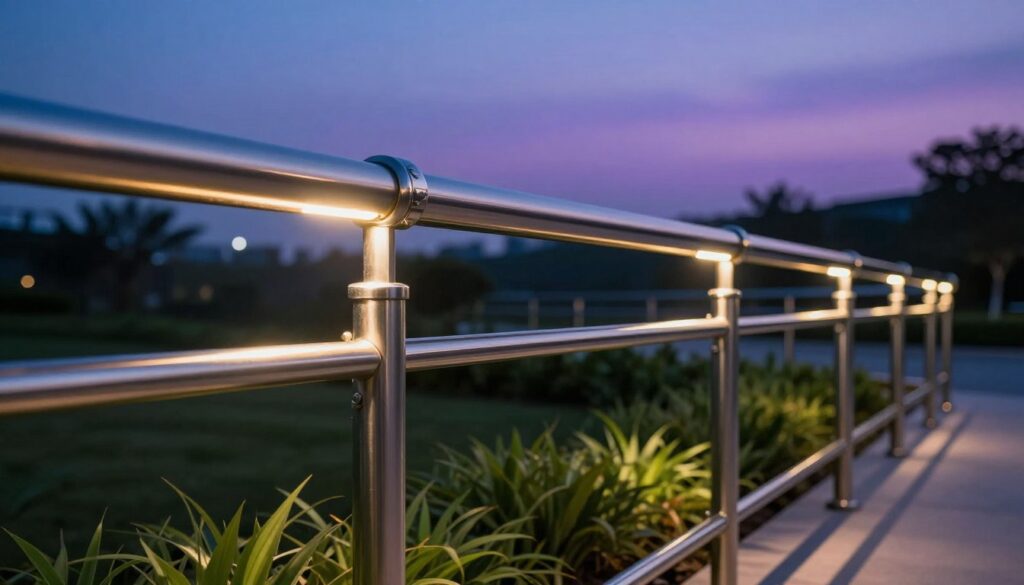
LED Post Cap Lighting Options
LED post caps represent one of the most popular choices for railing lighting. These fixtures mount directly onto your railing posts, providing discrete outdoor illumination along your deck’s perimeter. LED technology consumes up to 80 percent less energy than incandescent bulbs while delivering superior brightness and longevity. Most LED post caps operate for over 50,000 hours, significantly outlasting traditional lighting solutions. The low heat output makes them safe for families and pets enjoying evening gatherings.
Advanced LED post caps now include dimmer capabilities and smart-home integration. You can control your railing lighting through smartphone apps or voice commands, adjusting brightness to match your mood and activities. Color temperature options range from warm white tones that create cozy atmospheres to cool white varieties suitable for security lighting.
Solar-Powered and Energy-Efficient Alternatives
Solar deck lighting eliminates wiring requirements and electrical costs entirely. These energy-efficient lighting systems charge during daylight hours and automatically illuminate at dusk. Solar post cap lights work particularly well for retrofit applications where running electrical lines proves impractical. Modern solar technology provides reliable battery capacity for consistent nighttime operation across multiple hours.
Automatic dusk-to-dawn sensors eliminate manual switching, ensuring your deck receives consistent outdoor illumination when needed. The comparison between wired and solar options depends on your specific needs and budget constraints.
| Lighting Type | Installation Complexity | Initial Cost | Operating Costs | Maintenance |
|---|---|---|---|---|
| Wired LED Post Caps | Moderate to High | $300-$800 per post | Minimal (low electricity) | Occasional bulb replacement |
| Solar Deck Lighting | Low | $150-$400 per post | None (solar powered) | Annual battery checks |
| Smart LED Systems | High | $400-$1,200 per post | Minimal (low electricity) | Software updates |
Integrated railing lighting increases property value while enhancing safety by illuminating potential hazards. Whether you select solar deck lighting for simplicity or advanced LED post caps for control, integrated outdoor illumination creates the perfect setting for entertaining guests and extending your outdoor season.
Conclusion
Your metal railing investment goes far beyond simple safety. The choices you make about your railing system selection shape how you experience your outdoor space every single day. From understanding railings as essential design elements to selecting durable materials, each decision builds toward a complete vision for your home.
The framework presented in this article covers the key factors that matter most. You learned about balancing durability with low-maintenance materials. You explored aluminum and steel options based on your needs. You discovered how to coordinate colors, optimize views or privacy, and ensure deck safety solutions meet local codes. You considered mounting methods, functional features, and lighting enhancements. These choices work together to create a railing system that performs reliably for decades.
A quality metal railing represents a long-term investment that delivers real returns. You gain enhanced safety for your family and guests. You reduce maintenance costs over time. You increase your property value. You enjoy improved outdoor living experiences in a space designed exactly as you want it. When you prioritize quality materials and proper installation, your railing becomes a testament to your commitment to excellence.
Take the time to assess your specific needs and consult with professionals when necessary. Review the considerations outlined here as you plan your outdoor improvement project. The right railing system is within reach when you make informed decisions based on your priorities. Your deck and outdoor living space deserve an investment that will serve you well for years to come.