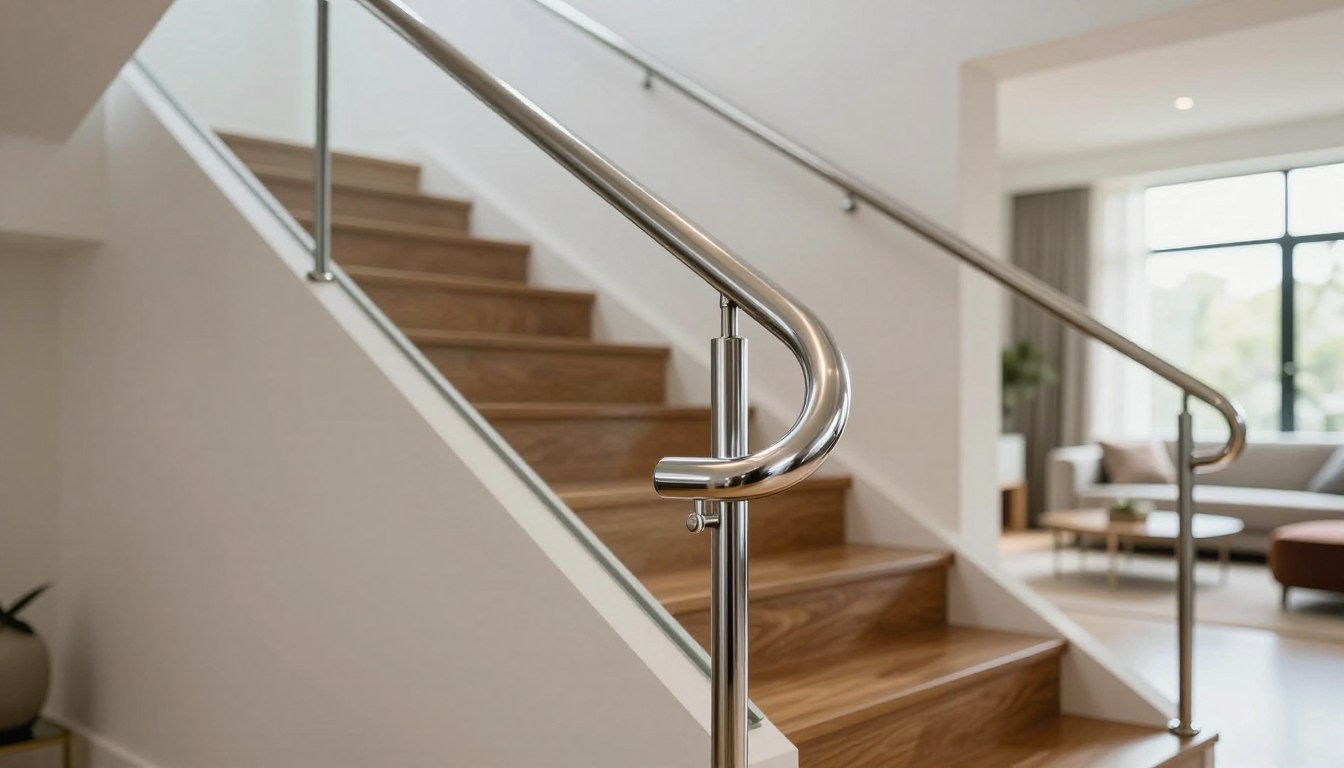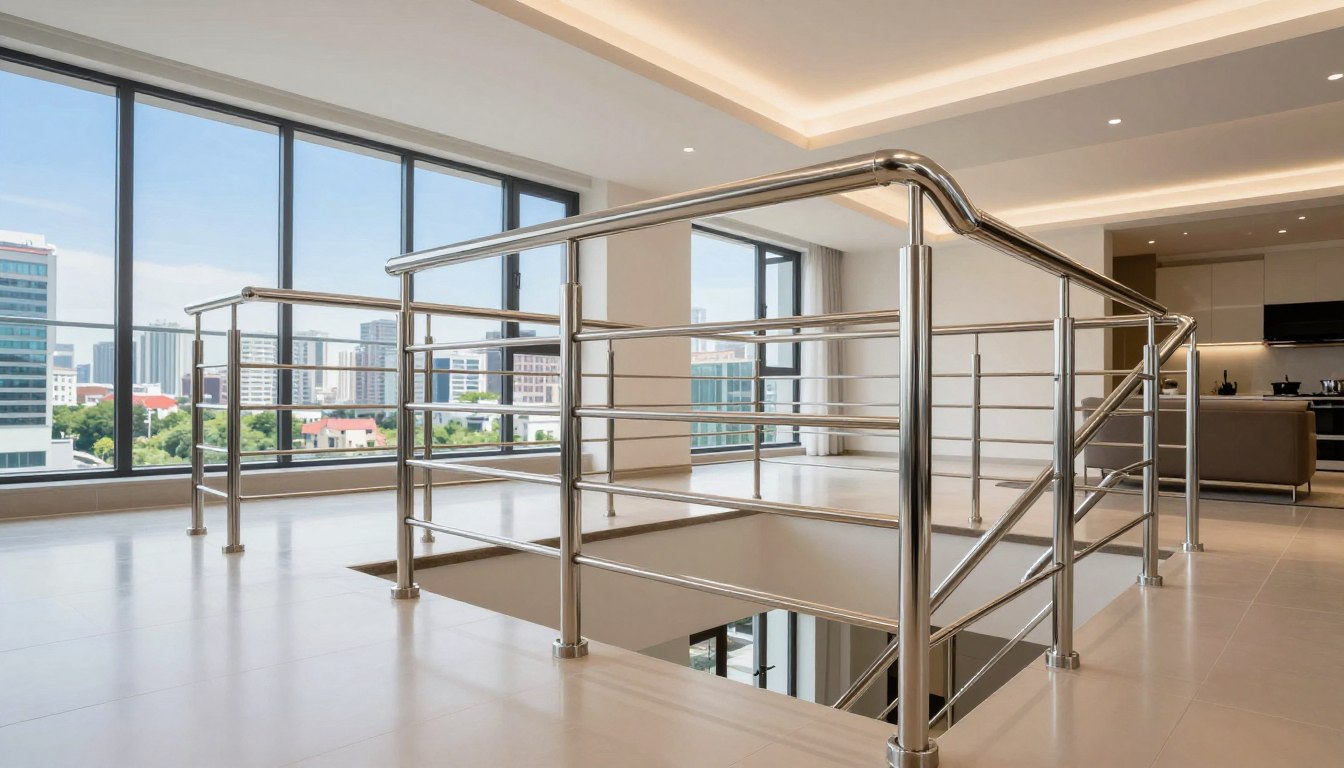
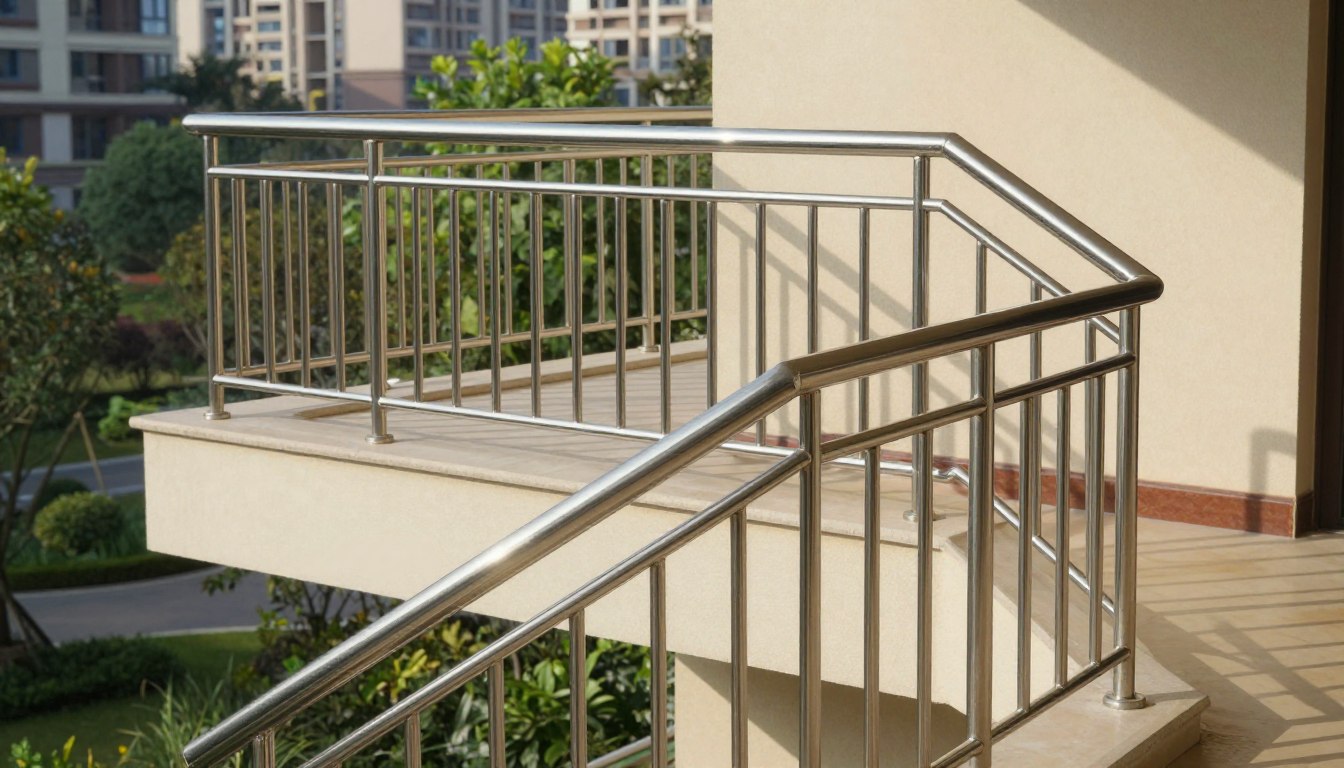
Architects across the United States are choosing metal railing systems for projects of all sizes. Stainless steel and aluminum offer the strength, safety, and appearance that building codes demand. These materials work for homes, offices, hospitals, and shopping centers.
Metal railing systems solve real problems on job sites. They meet safety rules without compromising on looks. Builders and designers trust these solutions because they perform well for years with simple upkeep. AGS Stainless, Inc. has spent nearly thirty years perfecting prefabricated stainless steel railings for clients who need reliable results.
Architectural railing systems deliver more than just protection. They shape how people move through spaces and feel safe doing it. Commercial railing solutions adapt to different building styles. From sleek modern offices to traditional homes, metal railings fit the design vision while keeping everyone protected.
This article walks through why metal railings matter to architects. You will learn about their strength, code compliance, design choices, and cost benefits. Understanding these factors helps you make smart decisions for your next project.
Key Takeaways
- Metal railing systems combine safety, durability, and design flexibility for any project type
- Stainless steel and aluminum meet building codes with minimal maintenance needs
- Prefabricated architectural railing systems speed up construction schedules
- Commercial railing solutions adapt to different styles and budgets
- Metal railings offer better long-term value than other materials
- Installation efficiency reduces labor costs and project timelines
Understanding the Growing Demand for Metal Railing Systems
The construction industry is experiencing a significant shift in how builders and designers approach safety barriers. Railings serve as more than functional safety elements in residential and commercial spaces. They shape the visual character of buildings while protecting occupants and visitors. Modern architecture demands materials that balance strength, aesthetics, and efficiency. Metal solutions have emerged as the preferred choice for architects planning new projects and renovations across the United States.
This transformation reflects broader changes in building practices, design preferences, and construction methods. Prefabricated railing systems now dominate jobsites because they deliver speed and consistency that traditional on-site construction cannot match. Industry professionals recognize that metal railings offer clean lines, slim profiles, and unobstructed views that align with contemporary design standards.
The Evolution of Railing Design in Modern Architecture
Railing design has transformed dramatically over the past two decades. Wood and wrought iron once dominated residential railing design choices. Today’s architects specify steel, stainless steel, and aluminum for their superior performance and aesthetic qualities. Modern minimalism drives demand for railings with clean geometry and transparent sightlines.
Contemporary buildings showcase railings as architectural features rather than hidden safety components. Glass-metal combinations, cable systems, and sleek steel profiles define current trends. These materials support the industrial and minimalist aesthetics that dominate residential and commercial design today.
Why Metal Solutions Dominate Today's Construction Industry
Metal railing systems lead the market for practical reasons beyond appearance. Building codes have evolved to favor materials that meet safety standards consistently. Insurance requirements increasingly recognize metal systems as superior safety investments. Sustainability considerations push builders toward durable materials that last decades without replacement.
Prefabricated railing systems streamline project delivery and reduce installation timelines significantly. Architects and contractors prefer solutions manufactured off-site to exact specifications. This approach minimizes field adjustments and ensures quality control. Professional education initiatives, including AIA-approved continuing education courses, validate metal railing expertise as essential knowledge for construction professionals.
| Material Type | Lifespan | Maintenance Level | Design Flexibility |
|---|---|---|---|
| Steel | 20-30 years | Moderate | High |
| Stainless Steel | 30-50+ years | Low | High |
| Aluminum | 25-40 years | Low | High |
The market clearly demonstrates that metal solutions outperform traditional alternatives in durability, safety compliance, and design capability. Prefabricated railing systems represent the future of construction efficiency.
Superior Strength and Durability for High-Traffic Environments
Metal railing systems stand out in demanding spaces where constant foot traffic and heavy use are daily realities. Commercial facilities, shopping centers, and public venues require railings engineered to handle far more stress than residential applications. These high-traffic railings must support significant weight loads while maintaining structural integrity year after year.
The engineering behind modern metal railings reflects real-world demands. Thicker posts, reinforced base plates, and heavy-duty anchoring systems form the foundation of reliable railing systems. Building codes require commercial handrails to meet stricter safety regulations because public spaces experience continuous pressure from crowds, impacts, and occasional vandalism attempts. A residential deck railing handles single-family use, while a commercial stairwell railing must support dozens of people simultaneously.
Stainless steel railings deliver exceptional performance in these demanding applications. The material resists corrosion, maintains strength under temperature variations, and won’t degrade from constant contact and environmental stress. Aluminum provides impressive strength without excessive weight, making installation simpler while ensuring long-lasting performance. Both materials outperform traditional wood and composite options in strength-to-weight ratios.
Understanding the durability of aluminum versus steel railings helps architects choose the right solution for specific project requirements. Railing durability becomes the deciding factor when selecting between materials for high-traffic environments, ensuring safety standards are exceeded while minimizing future maintenance costs and structural concerns.
| Environment Type | Load Capacity Requirement | Ideal Material Choice | Maintenance Level |
|---|---|---|---|
| Commercial High-Traffic Areas | Exceeds 200 lbs per linear foot | Stainless Steel | Low to Moderate |
| Residential Decks | Meets 200 lbs per linear foot | Aluminum or Steel | Low |
| Outdoor Coastal Facilities | 200+ lbs with corrosion resistance | Aluminum (Powder-Coated) | Low |
| Industrial Facilities | Heavy impact resistance needed | Stainless Steel or Carbon Steel | Moderate to High |
Code Compliance and Safety Standards Made Simple
Navigating railing regulations can feel overwhelming for architects and project managers. Building code compliance requirements vary based on project type, location, and use. Metal railing systems simplify this process by being engineered and tested to meet all applicable safety standards before installation. Understanding the difference between commercial and residential code requirements helps ensure your project moves through inspections without delays or costly corrections.
Meeting IBC and ADA Requirements in Commercial Spaces
Commercial projects demand strict adherence to the International Building Code. IBC railing standards specify minimum heights, load-bearing capacities, baluster spacing, and handrail graspability. These requirements protect occupants in high-traffic environments where safety margins cannot be compromised.
ADA compliant railings add another layer of responsibility. The Americans with Disabilities Act requires handrail heights between 34 and 38 inches, specific diameter measurements for grip comfort, and extensions at stair landings. Metal railing systems designed for commercial use meet these specifications consistently across large projects, reducing liability and inspection risks.
| Commercial Requirement | IBC Standard | ADA Standard |
|---|---|---|
| Handrail Height | 34-38 inches | 34-38 inches |
| Top Rail Load (vertical) | 200 pounds per linear foot | 200 pounds per linear foot |
| Baluster Spacing | 4 inches maximum | 4 inches maximum |
| Handrail Diameter | 1.25-2 inches | 1.25-2 inches |
Residential Code Flexibility with IRC Standards
Residential projects follow the International Residential Code, which balances safety with design flexibility. IRC railing requirements protect homeowners without restricting aesthetic choices like traditional metal railings do in commercial settings.
Metal railing systems for residential applications accommodate customization while maintaining structural integrity. This flexibility allows homeowners to express personal style through decorative balusters, unique patterns, and finish options. Architects specify metal railings that satisfy IRC railing requirements while delivering the distinctive residential designs clients desire, streamlining approvals and eliminating compliance uncertainties.
Metal Railing Systems: Material Advantages for Architects
Architects working on residential and commercial projects need railing materials that balance strength, aesthetics, and long-term performance. Metal offers superior advantages over traditional materials. Two primary options stand out: aluminum and stainless steel. Each brings distinct benefits to different project requirements.
Aluminum railings provide lightweight strength without compromising durability. This material naturally resists corrosion through oxidation, creating a protective layer that guards against environmental damage. Aluminum weighs significantly less than steel, reducing structural load requirements and simplifying installation processes. This lightweight property makes aluminum railings ideal for coastal environments and exterior applications where weight concerns matter. The excellent strength-to-weight ratio ensures reliable performance while maintaining ease of handling during construction.
Stainless steel specializes in demanding environments. This material delivers superior strength for high-load applications and exceptional durability in harsh conditions. Stainless steel offers premium aesthetic appeal with various finish options, ranging from polished to brushed surfaces. Both aluminum and stainless steel function as corrosion resistant railings, eliminating issues like rust, warping, and degradation common in wood or iron systems.
Modular railing systems manufactured from either material offer significant advantages. Factory-controlled production ensures consistent quality and precise tolerances. This standardized approach delivers reliable performance across projects while reducing field installation time and complications.
| Material | Weight | Corrosion Resistance | Cost | Best Application |
|---|---|---|---|---|
| Aluminum | Lightweight | Excellent (Natural Oxide) | Budget-Friendly | Coastal and Exterior Projects |
| Stainless Steel | Heavy | Superior | Premium | High-Traffic Commercial Spaces |
Choose aluminum railings when budget constraints and installation ease matter most. Select stainless steel when maximum strength and premium aesthetics drive specifications. Both options integrate seamlessly into modular railing systems that streamline construction timelines and ensure predictable project outcomes.
Design Versatility Across Residential and Commercial Applications
Metal railing systems stand out for their remarkable ability to serve different project needs. Whether designing for a single-family home or a large commercial building, metal railings adapt to unique requirements. The key difference lies in how architects approach customization versus standardization. Residential projects emphasize personal style and creative expression. Commercial installations prioritize consistency and brand alignment across multiple locations.
Customization Options for Residential Projects
Homeowners today demand railings that reflect their individual taste and architectural vision. Custom railing design allows for endless possibilities. Metal systems accommodate decorative pickets, unique handrail profiles, curved configurations, and glass panels. Powder coated railings offer virtually unlimited color choices to match any home design scheme. Whether your style is modern, traditional, or minimalist, metal railings can be tailored to fit perfectly. The workability of metal enables creative details that transform railings into distinctive design features rather than functional necessities.
Residential clients appreciate the flexibility to select different infill options. Cable rails provide contemporary aesthetics. Vertical pickets suit traditional homes. Decorative patterns add artistic flair. Each choice combines structural performance with visual appeal.
Standardized Solutions for Commercial Efficiency
Commercial projects require a different approach. Consistency across multiple floors, buildings, or locations strengthens brand identity. Standardized metal railing systems simplify specification, ordering, and installation timelines. Facility managers benefit from uniform appearance and predictable maintenance procedures. Powder coated railings deliver sleek finishes that resist fading across large installations.
| Project Type | Design Focus | Key Advantage |
|---|---|---|
| Residential | Custom railing design and personalization | Unique aesthetic expression |
| Commercial | Standardized systems and consistency | Efficiency and brand uniformity |
Prefabricated metal systems excel at delivering standardized solutions without sacrificing quality. Project-specific requirements like dimensions and mounting conditions receive careful attention. Powder coated railings ensure durable finishes that maintain appearance throughout the building’s lifecycle.
Long-Term Performance with Minimal Maintenance Requirements
Metal railing systems stand out for their exceptional durability and low upkeep needs over decades of service. Unlike traditional materials, quality metal railings demand far less attention while maintaining both safety and visual appeal. This performance advantage directly impacts your bottom line through reduced operational costs and extended service life.
Wood railings require regular staining, sealing, and inspection for rot and insect damage. Wrought iron needs periodic rust treatment and repainting to prevent deterioration. Composite materials fade easily, stain quickly, and demand frequent cleaning. In contrast, low maintenance railings made from aluminum and stainless steel with professional finishes need only occasional washing with soap and water to stay functional and attractive.
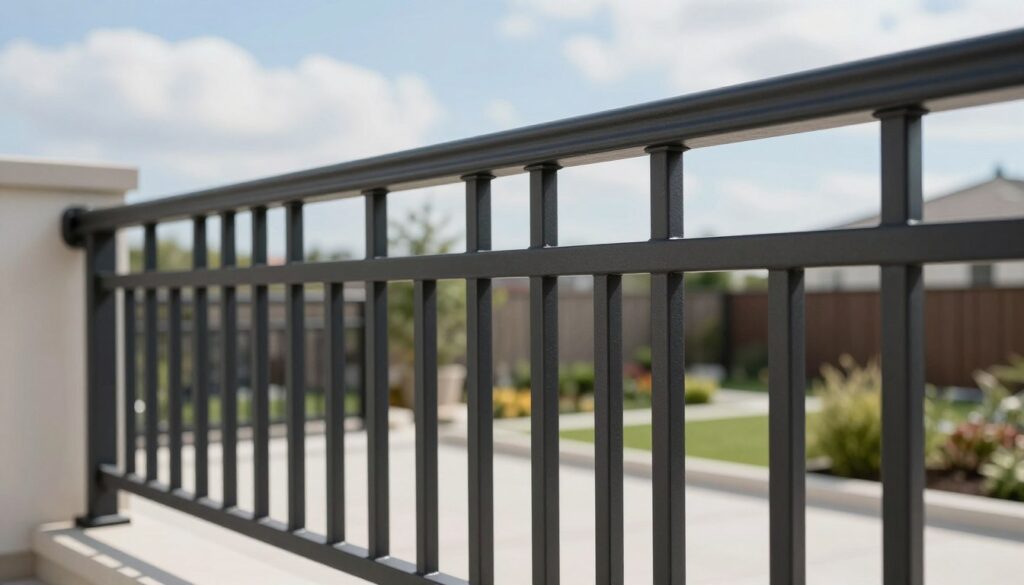
Powder coating creates a durable, chemically bonded protective layer that resists chipping, fading, and weathering far better than traditional paint. Anodization forms a protective oxide layer directly into the aluminum surface, preventing peeling and flaking. Both finishes excel in harsh environments including coastal salt air, industrial pollution, high UV exposure, and extreme temperatures.
| Material Type | Maintenance Tasks | Cost Over 20 Years |
|---|---|---|
| Wood Railings | Annual staining, sealing, rot inspection | $8,000 – $12,000 |
| Wrought Iron | Rust treatment, repainting every 5 years | $6,500 – $10,000 |
| Metal with Powder Coating | Periodic water cleaning only | $1,200 – $2,000 |
For commercial properties, cost-effective railing solutions translate into reduced disruption to building occupants and staff. The modular design of prefabricated metal systems allows individual sections to be replaced if damaged, without affecting the entire installation. This flexibility ensures your railing system performs optimally for 30+ years with minimal downtime or replacement costs.
Installation Efficiency and Project Management Benefits
Metal railing systems deliver substantial advantages when integrated early into railing project management strategies. Construction teams face mounting pressure to compress timelines while maintaining quality standards. Prefabricated metal railings address these challenges by shifting production off-site and reducing on-location delays. This approach transforms how builders coordinate multiple trades and manage complex installations across residential and commercial properties.
Smart railing installation planning prevents costly mistakes that occur when railings receive attention only as projects near completion. When budgets tighten near project end dates, teams often resort to expensive expedited fabrication or lower-quality materials. Early specification of metal railing systems ensures proper coordination of structural supports, embedments, and mounting details during earlier construction phases. This foresight eliminates expensive corrections and schedule disruptions.
Prefabricated Systems Streamline Construction Timelines
Factory-controlled manufacturing eliminates weather delays and site condition variables that plague traditional fabrication. Metal railing components arrive ready for installation with minimal adjustments required. Installation crews complete railing installation work in days rather than weeks, compressing the critical path and allowing earlier building occupancy. This efficiency reduces carrying costs and accelerates project revenue generation.
Quality control occurs in controlled factory settings rather than unpredictable job sites. Pre-engineered components arrive with clear installation instructions. Workers install railings faster when components fit precisely and require minimal on-site modifications.
Coordination Advantages in Multi-Trade Projects
Metal railing installation intersects with concrete work, steel structure, glazing systems, and architectural finishes. Prefabricated systems with engineered mounting details simplify these coordination challenges significantly. Early specification allows structural teams to plan embedments and blocking during foundation and framing stages.
| Project Phase | Coordination Benefit | Timeline Impact |
|---|---|---|
| Foundation & Framing | Embedments and blocking installed correctly | Prevents delays in later phases |
| Structural Installation | Mounting points ready for railing installation | Accelerates railing assembly schedule |
| Finishing Trades | Railings coordinate with waterproofing and finishes | Eliminates costly rework |
| Final Inspections | Factory-certified components pass code compliance | Reduces inspection delays |
Commercial projects demand higher railing project management expertise due to large-scale installations and multiple stakeholders. Coordination with general contractors and specialized trades becomes essential for smooth execution. Modular railing components simplify installation on concrete or steel surfaces when heavy-duty anchors and specialized equipment are properly specified beforehand.
Cost-Effectiveness Throughout the Project Lifecycle
Project managers often face budget pressures near the end of construction. Many cut corners on railings to save money upfront. This short-term thinking creates bigger problems down the road. Choosing quality architectural railing systems protects your investment and prevents costly repairs later.
The initial cost of metal railings may seem high compared to budget alternatives. When you look at the complete picture, cost-effective railing solutions deliver real savings. Site-fabricated systems demand extra labor and extended timelines. Wood railings require substantial structural support and frequent maintenance cycles. Cheaper materials often fail to meet code requirements without expensive modifications.
Quality metal railing systems minimize operational expenses over time. You pay far less for maintenance and repairs. Durable finishes eliminate repainting costs. Corrosion-resistant materials prevent early failure. Modular components allow targeted repairs without replacing entire sections.
Long-term performance makes metal systems the smart choice. Premium metal railings last 30+ years with minimal intervention. Wood systems typically need replacement in 10–15 years. Standard painted metal lasts 15–20 years depending on maintenance schedules.
| Railing Type | Initial Cost | Service Life | Annual Maintenance | 30-Year Total Cost |
|---|---|---|---|---|
| Quality Metal Systems | $8,000–$12,000 | 30+ years | $200–$400 | $14,000–$18,000 |
| Wood Railings | $5,000–$7,000 | 10–15 years | $800–$1,200 | $26,000–$38,000 |
| Budget Metal | $4,000–$6,000 | 15–20 years | $1,000–$1,500 | $22,000–$36,000 |
Architectural railing systems represent excellent value when evaluated over decades. Your higher initial investment recovers itself through reduced maintenance and extended service life. Residential projects may require design updates to match evolving trends. Commercial installations deliver consistent long-term performance without surprises.
Smart decision-making focuses on total cost of ownership. Compare all expenses across the building’s service period, not just the price tag. Quality architectural railing systems eliminate future headaches and protect your budget.
Conclusion
Metal railing systems stand out as a smart choice for architects planning residential and commercial projects. The decision to specify quality architectural railing systems early in your design process shapes multiple aspects of your project. Safety, code compliance, budget performance, and schedule success all benefit from this strategic approach. Engaging with experienced manufacturers during the planning phase ensures your railings meet all requirements without delays.
The advantages of metal railing systems span every phase of your project. Superior strength handles high-traffic demands in commercial spaces. Code compliance becomes straightforward with engineered solutions that meet IBC, IRC, and ADA standards. Material options like aluminum and stainless steel deliver corrosion resistance and extended lifespan. When you compare steel versus aluminum handrails for durability and cost, both deliver strong performance across decades of service. Design versatility accommodates custom residential aesthetics or standardized commercial solutions. Prefabricated systems reduce installation time and labor costs. Minimal maintenance requirements keep lifecycle expenses low.
Vista Architectural and AGS Stainless, Inc. represent the quality and expertise available to architects nationwide. These manufacturers bring decades of experience creating architectural railing systems that perform reliably across demanding applications. Start your next project by connecting with established railing system providers. Proper specification and early coordination transform railings from an overlooked detail into a component that strengthens your entire project. Metal railing systems are not just building components. They are strategic decisions that impact safety, compliance, aesthetics, budget, schedule, and long-term performance.