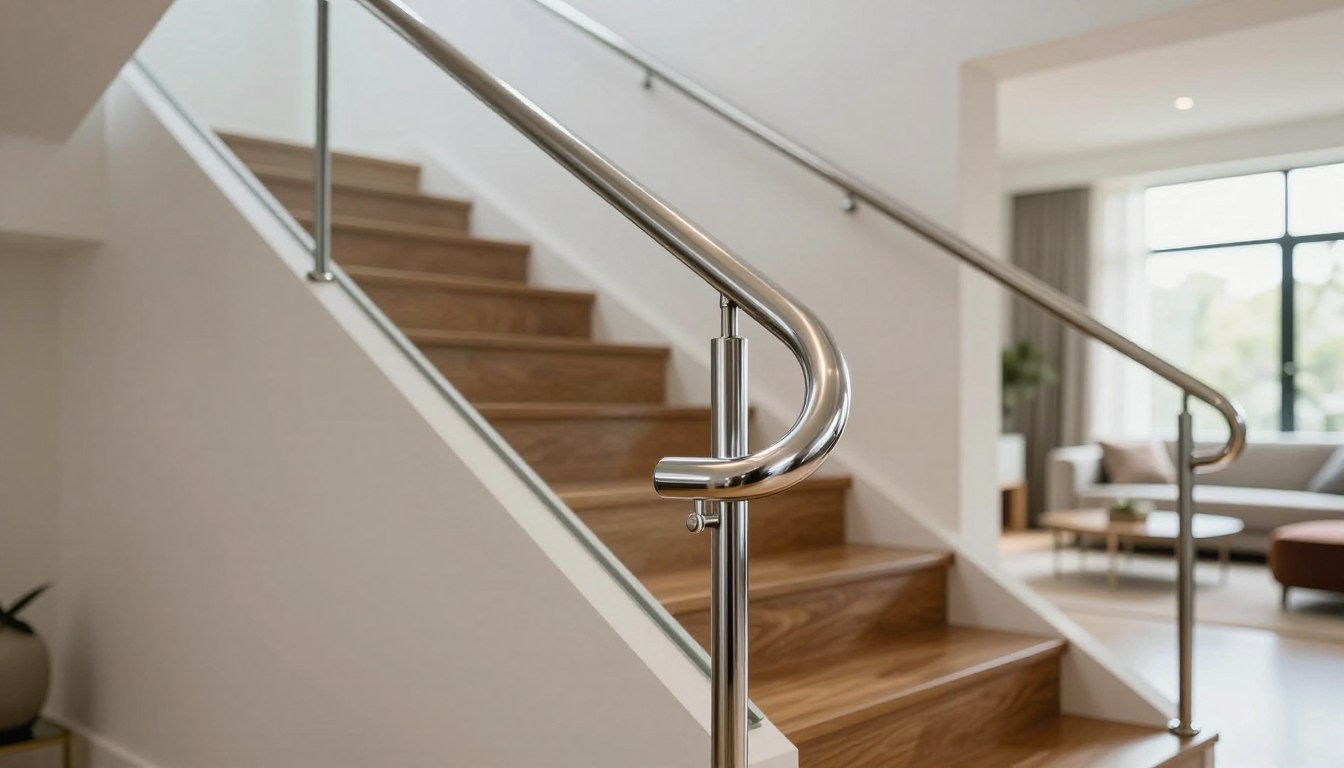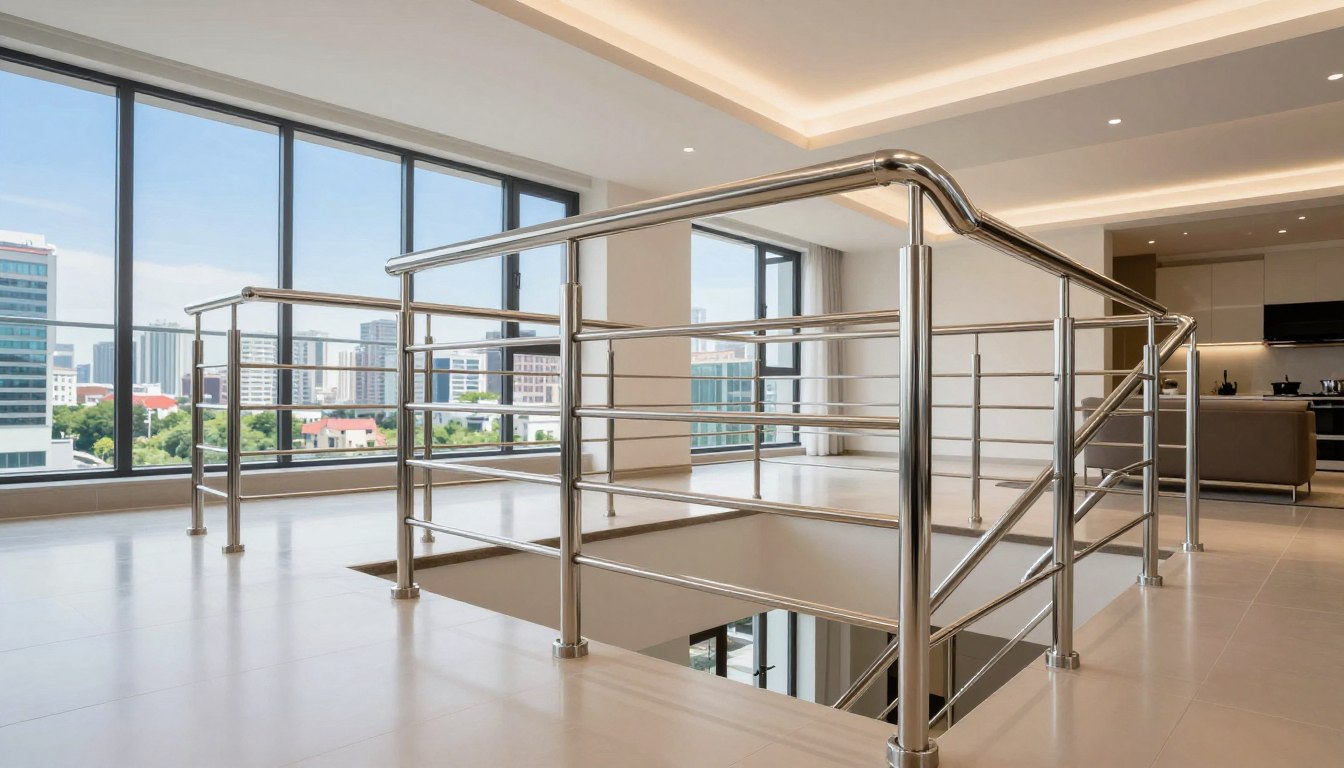
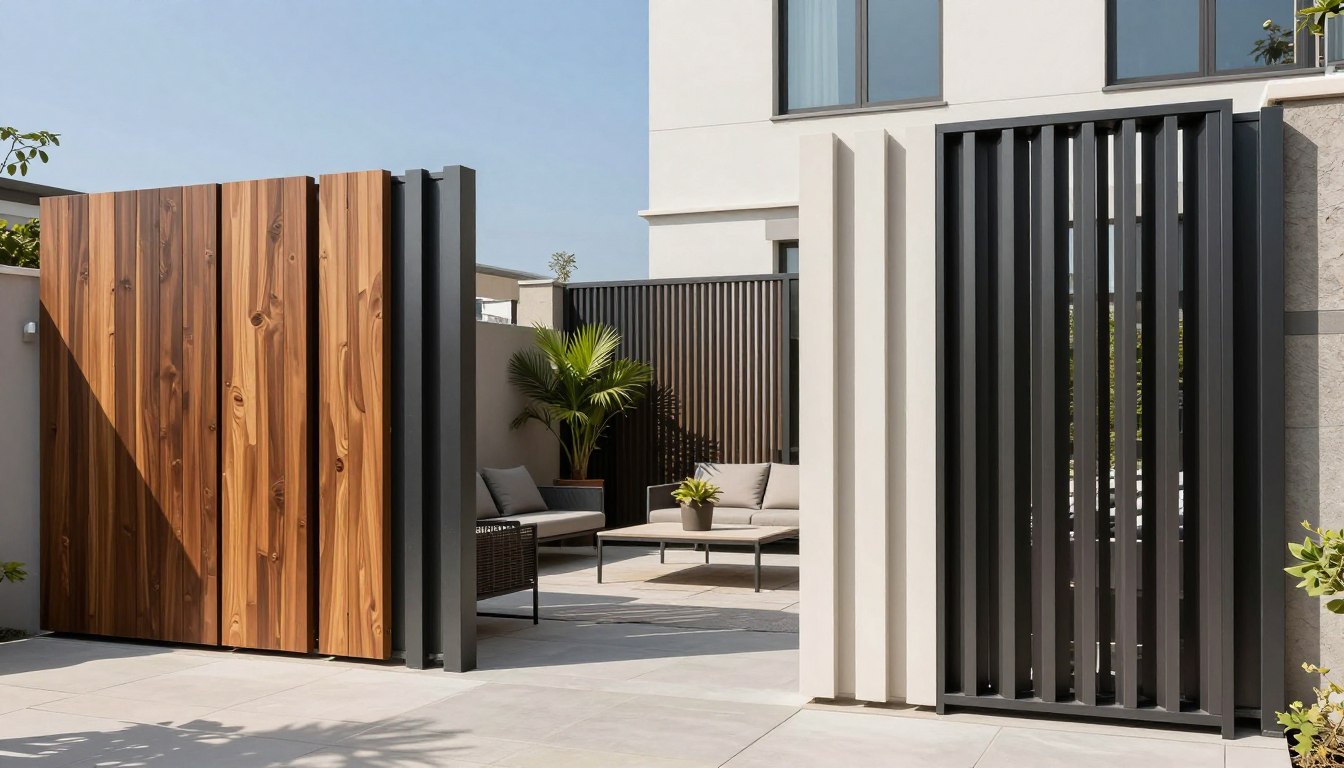
Privacy Fin & Louvers are key elements in building design. They manage light, air, and privacy while defining a building’s look. This guide offers practical tips for architects, builders, and developers in the U.S.
When choosing, consider durability, cost over time, upkeep, weather resistance, and how they look. Picking exterior louvers early helps with shading, cooling, and comfort inside.
Material choice is important. Options like aluminum, steel, wood, PVC, fiberglass, and composites vary in weight, corrosion, and finish life. Use a guide to pick the right material for your climate and needs.
Manufacturers offer tested products, customization, and installation help. Check product details and choose trusted suppliers early. For examples and aluminum solutions, see this resource: privacy fins and louvers options.
Key Takeaways
- Privacy fins and architectural louvers deliver facade shading, airflow, and visual screening when integrated early in design.
- Select louver materials based on durability, maintenance, and local exposure to salt, UV, or moisture.
- Exterior louvers can lower cooling loads and reduce glare while preserving daylight and ventilation.
- Work with suppliers to review finishes, testing data, and installation details before specifying.
- Use a louver selection guide to align performance goals—solar shading, acoustics, or privacy—with material and configuration choices.
Understanding Privacy Fin & Louvers: Function, Types, and Benefits
Privacy fins and architectural louvers are slatted elements that control light, airflow, heat, and sightlines. They can be mounted inside or outside the glazing plane. Exterior systems cut solar radiation before it hits the glass. Interior versions soften daylight, aid acoustics, and add visual interest.
What are privacy fins and architectural louvers
Privacy fins focus on screening views while keeping daylight and ventilation. Louvers prioritize airflow and shading with angled blades that shed sun and let air pass. Designers choose between fins and louvers based on the primary goal: visual privacy or environmental control.
Fixed vs. operable louvers and fins: performance trade-offs
Fixed louvers give predictable performance, low cost, and minimal upkeep. They work well where solar angles and wind loads are known and stable.
Operable louvers add dynamic control. Occupants can tune daylight, glare, and ventilation as conditions change. This flexibility comes with higher initial cost, more complex installation, and routine maintenance needs.
Primary benefits: privacy, daylight control, ventilation, and facade expression
Privacy is a core benefit. Properly angled blades screen sightlines while admitting light and fresh air.
Daylight control louvers reduce direct sun and glare, admitting diffuse illumination that improves occupant comfort. They help lower artificial lighting use in offices and schools.
Ventilation gains come from exterior louvers that enable cross-ventilation and stack-effect strategies. They support mixed-mode HVAC approaches and can reduce cooling loads when integrated early in design.
Facade expression is another advantage. Louvers and fins add rhythm, depth, and shadow to elevations, strengthening architectural identity. Treat them as passive environmental controls tied to glazing, orientation, and HVAC to avoid late-stage performance failures.
Material Comparison for Louvers and Fins: Aluminum, Steel, Wood, PVC, Fiberglass, and Composite
Choosing the right louver materials is key. It affects performance, upkeep, and looks. This guide compares common options for both exterior and interior use.
Aluminum
Aluminum louvers are light and strong. They’re great for long spans and high-rise buildings. They also resist corrosion in coastal and stormy areas with the right finish.
Finishes like anodized or PVDF paints offer design choices. They also keep maintenance low.
Lifecycle cost favors aluminum. It has a long service life and needs little upkeep. The initial cost is higher than PVC, but it lasts 10–30 years with just routine checks.
Steel
Steel louvers are strong and secure. They’re perfect for industrial or high-traffic areas. They can handle impacts and keep intruders out.
Steel needs strong corrosion protection in wet or coastal areas. Galvanizing, epoxy primers, and repaints increase maintenance and cost. You’ll also need to account for the added weight compared to aluminum or composites.
Wood and HPL
Natural wood adds warmth and texture, great for interiors and covered exteriors. Wood needs regular sealing and checks for decay in the weather. Use it where maintenance access is easy and warmth is important.
HPL louvers mimic wood but are more durable. They resist UV and moisture. They have less upkeep over time but may cost more upfront for certain finishes.
PVC and Composite
PVC louvers are affordable, moisture-resistant, and good for humid places like bathrooms. They’re light but lack the stiffness of metals.
Composite louvers, like wood-plastic, balance strength and low upkeep. They resist rot and moisture and look like wood. They may cost more initially but save money in the long run due to low upkeep.
Fiberglass
Fiberglass louvers resist UV and weather well. They stay stable in sun and humidity. They don’t rust or rot, making them great for coastal or high-UV areas.
Fiberglass costs more than PVC and some metals. But, its durability and color retention make it worth it for projects needing long-term exposure and color.
| Material | Strength / Use | Corrosion & UV | Maintenance | Typical Applications |
|---|---|---|---|---|
| Aluminum louvers | High strength-to-weight; long spans | Excellent with proper finish | Low | Commercial facades, parking structures |
| Steel louvers | Very high strength; security uses | Requires galvanizing/coatings | Medium–High | Industrial, secure perimeters |
| HPL louvers | Moderate; stable panels | Good UV and weather stability | Low | Covered exteriors, decorative facades |
| Wood | Low–Moderate; aesthetic focus | Poor if exposed without treatment | High | Interiors, covered outdoor areas |
| PVC louvers | Low structural strength | Good moisture resistance | Low | Bathrooms, pool surrounds, interiors |
| Composite louvers | Moderate; engineered strength | Good UV and moisture resistance | Low | Residential exteriors, patios |
| Fiberglass louvers | Moderate; stable under load | Excellent UV/weather resistance | Low | Coastal facades, high-UV sites |
Material choice affects maintenance, cost, and looks. For tight budgets, PVC and composites are good. For exposed facades, aluminum or fiberglass are top choices. Steel is best for security, but it needs corrosion protection.
Matching Materials to Project Conditions: Climate, Exposure, and Location
Choosing the right louver material depends on climate and exposure. Coastal salt spray, humidity, and sun each test materials differently. Pick materials that match your local conditions to reduce repair and repainting needs.
In coastal and high-corrosion areas, use corrosion-resistant louvers. Extruded aluminum and marine-grade fiberglass work well near the ocean. Aluminum resists rust, and fiberglass doesn’t rot.
For severe salt-spray exposure, anodized finishes or marine powder coatings on aluminum are best. For more options and design advice, check out louver facade types.
In humid or rainy climates, choose louvers that resist moisture and biological damage. PVC and engineered composite blades are great for areas with lots of water. They won’t rot, making them perfect for pool enclosures and shower areas.
Hot, high-UV areas need louvers that protect against UV rays. Fiberglass and high-pressure laminate (HPL) are good choices because they resist UV damage. Aluminum with a UV-stable powder coat also works well.
| Condition | Top Material Choices | Key Specification Notes |
|---|---|---|
| Coastal, salt-spray | Aluminum, Fiberglass | Marine-grade coatings, anodizing, stainless fasteners |
| Humid or rainy | PVC, Composite | Waterproof joints, UV-stable formulations, mold-resistant cores |
| High UV, hot sun | Fiberglass, HPL, Coated Aluminum | UV-stable finishes, thermal expansion allowances, color retention testing |
Consider both performance and cost over time. Corrosion-resistant and UV-resistant louvers may cost more initially but save on maintenance. Think about accessibility, storms, and wind patterns when finalizing your specs.
Design Considerations: Orientation, Louvers’ Orientation, Spacing, and Visual Impact
Choosing the right louver orientation and layout affects comfort, energy use, and looks. Small changes in spacing, angle, and alignment can make a big difference. It’s important to work with glazing and mullions early to avoid costly retrofits.
Vertical vs horizontal performance and privacy
Vertical louvers are good for east and west sides where sun is low in the morning and evening. They block direct sun and add a vertical rhythm to the building. They also offer strong privacy for street-facing sides.
Horizontal louvers are better for south sides in most U.S. climates. They provide steady shading in the middle of the day and create clean lines. This reduces solar gain and allows for more daylight and view.
Blade angle, spacing, and environmental effects
Blade angle and spacing affect how much sun and daylight enter a space. Tighter spacing and lower tilt increase shading and reduce glare. This limits daylight and natural ventilation.
Wider spacing improves airflow and brings more daylight inside. It may let direct sun pass at certain times. Choose spacing based on your goals for solar control, daylight, and ventilation.
Facade rhythm, finish, and architectural integration
Consistent spacing and alignment create a strong facade rhythm. Mismatched spacing or uneven alignment can cause visual noise. Choose materials that match the building’s character: aluminum for sleek, wood or HPL for warmth, steel for industrial.
Integrate louvers with curtain wall lines, frames, and shading devices early in design. Proper integration improves thermal outcomes and keeps the facade rhythm as envisioned by architects.
| Design Factor | Key Effect | Typical Recommendation |
|---|---|---|
| Orientation | Affects sun angles and peak heat gain | East/West: vertical louvers; South: horizontal louvers |
| Blade Angle | Controls daylight, glare, and privacy | Lower tilt for more shading; higher tilt for daylight admission |
| Blade Spacing | Balances ventilation and solar access | Tight spacing for shading; wide spacing for airflow |
| Material Finish | Sets tactile impression and maintenance needs | Aluminum for modern; wood/HPL for warmth; steel for robustness |
| Facade Rhythm | Determines visual order and shadow consistency | Consistent center-to-center spacing and alignment |
| Integration | Impacts thermal performance and constructability | Coordinate with glazing, mullions, and structure early |
Performance Goals: Solar Shading, Energy Savings, Ventilation, and Acoustic Effects
Designing louvers starts with clear goals from the beginning. These goals include controlling sunlight, managing heat, and improving airflow and sound quality. Working with glazing, HVAC, and building orientation early on makes louvers more than just an afterthought.
Exterior louvers block direct sunlight before it reaches the glass. This action reduces the need for cooling and lowers energy bills. The right design can also cut down on peak energy demand.
Ventilation louvers help with natural and mixed-mode ventilation. They work well with open windows and interior air stacks. This setup can lower cooling needs and make spaces more comfortable.
Acoustic louvers balance airflow and privacy, important in noisy areas. Tighter spacing and absorptive materials can block more sound but limit airflow. They’re great for hiding mechanical noise but might not replace full soundproofing.
Getting the design right is key. Match the louver’s shape and size to the building’s needs and orientation. Testing with energy models and mockups helps ensure they meet energy and ventilation goals. This approach also keeps the design looking good.
Applications and Best Use Cases: Residential, Commercial, Industrial, and Interior
Choosing the right louver system depends on the project’s needs. The material, upkeep, and performance should match the project’s purpose. Here are some common uses and why they’re effective.
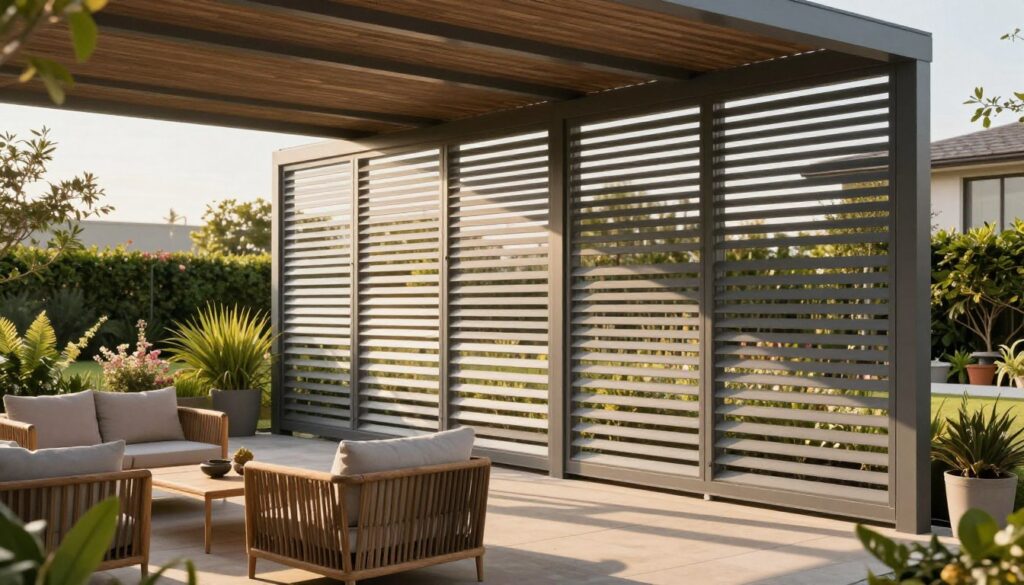
Residential solutions
For indoor projects, wood, WPC, or PVC offer a cozy, finished look. Natural wood works well where it’s not exposed much and upkeep is okay. PVC or composite is better for humid places like bathrooms and basements.
Outdoor and patio areas need aluminum or composite for durability and easy care. Consider operable patio louvers for decks and screened porches. They control shade and airflow without needing much upkeep.
Commercial and institutional facades
Big office buildings, hospitals, and airports need strong, durable materials. Engineered aluminum and high-pressure laminate (HPL) systems are best. They handle long spans and harsh weather well.
Commercial louvers should meet wind, thermal, and acoustic tests. Prefabricated panels make installation fast and ensure a uniform look.
Industrial and security-focused projects
Parking garages, utility buildings, and fenced areas need strong, secure louvers. Steel or hybrid metal systems are good for strength and protection. Use galvanizing or coatings for extra protection.
Industrial louvers must let in air but also resist theft and vandalism. Choose fixed, heavy-gauge blades or welded assemblies for busy, risky spots.
Interior decorative louvers and partitions
Interior louver partitions improve acoustics and define spaces in places like restaurants and apartments. Use decorative blades on WPC, MDF, or plywood with adhesive or fasteners.
Pre-finished panels make quick work of walls up to 500 sq ft. These partitions offer visual privacy while improving air flow and sound control.
| Application | Typical Materials | Key Benefits | Recommended Features |
|---|---|---|---|
| Residential indoor | Wood, WPC, PVC | Warmth, tactile finish, customizable | Moisture-resistant finishes for bathrooms |
| Residential outdoor | Aluminum, composite | Low maintenance, weather resistance | Operable blades for shading control |
| Commercial façades | Aluminum, HPL, engineered panels | Long spans, consistent finish, tested performance | Wind-rated anchorage and thermal breaks |
| Industrial/security | Galvanized steel, heavy-gauge metal | Strength, impact resistance, ventilation | Anti-vandal fixing and corrosion coatings |
| Interior partitions | WPC, MDF, pre-finished panels | Acoustic control, rapid install, aesthetic variety | Prefabricated modules and tested acoustic cores |
Installation, Structural, and Specification Essentials
Starting with a solid plan is key. Make sure the louver loads match the building’s height and weather. Talk to the glazing and curtain wall teams early to avoid problems.
Check the wind loads and ensure the anchors and supports can handle the project’s needs. Use mockups to check the finish and alignment before installing everything. A trial panel helps spot any issues with the blades and glazing.
Choose louver fixing systems that let the louvers move a bit. The brackets, rails, and frames should let the louvers expand with temperature changes. Pick the right anchors for the building material: concrete, steel, or masonry.
In windy areas, use anchors and connections that can handle the wind. Engineered connections and rated through-bolts make the louvers last longer and need less maintenance. Make sure to specify the rated fixings in the plans to avoid substitutes.
Set clear rules for how close the louvers can be and how they should line up. Keeping the spacing even helps the look and prevents noise from vibrations. Small mistakes can cause big problems.
Include ways to stop vibrations, like dampers or mounts. Make sure to check the installation quality, like the fastener tightness and if there are rattles. Keep records of each check and sign-off.
Do field checks to make sure everything matches the plans and wind-load reports. Use the installation guide for tips on details and materials. Planning well and being clear in the specs saves money in the long run.
Maintenance, Lifecycle Costs, and Warranty Considerations
Proper care and clear terms protect performance and budget. This section covers routine care by material, long-term expenses, and warranty and finish items to request.
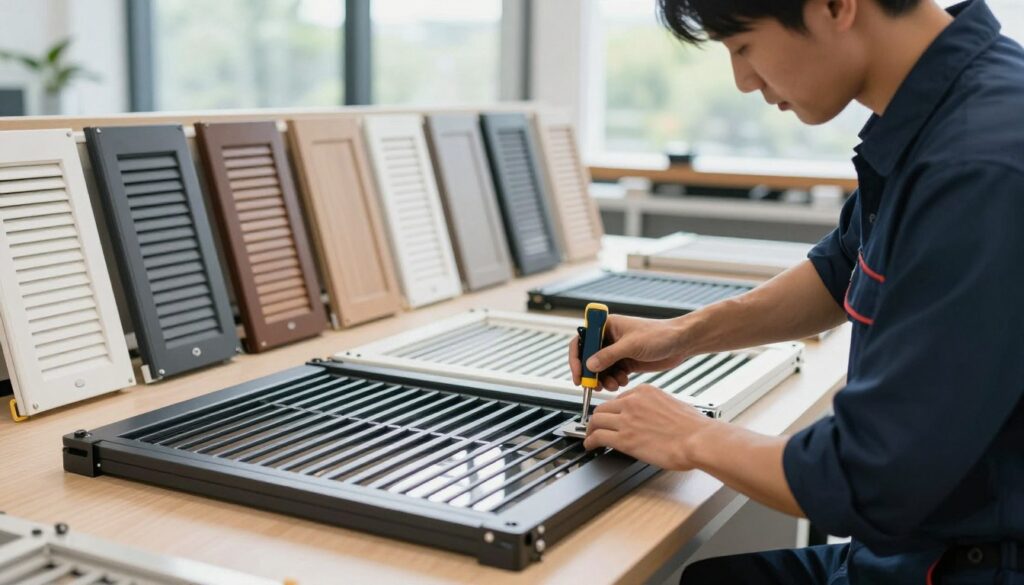
Maintenance varies by material. Aluminum, PVC, composite, and fiberglass need only washing and visual checks. Wood needs regular sealing and staining. Untreated steel must be inspected often and repainted to avoid damage.
Estimate louver lifecycle cost by balancing initial purchase and upkeep against long-term service. Spending more on aluminum or composite can save money in the long run. Plan for cleaning, sealants, repainting, and replacement over time.
Service life improves with upkeep. Aluminum, composite, and fiberglass can last 10–30+ years with care. Wood and untreated steel may need more frequent maintenance and repairs, leading to higher costs over 15–20 years.
Choose louver coatings based on exposure and performance needs. For aluminum, ask for powder-coating or anodized finishes. For steel, request corrosion coatings and primer systems. For high-UV or coastal areas, ask for UV-stable topcoats and marine-grade treatments.
When choosing suppliers, ask for finish performance data and maintenance advice. Request cleaning schedules, compatible cleaners, and repair procedures. This ensures maintenance teams follow manufacturer guidelines and keeps warranties valid.
Get a clear louver warranty that covers materials, coatings, and workmanship. Confirm coverage for corrosion, color fade, delamination, and structural failure. Check warranty duration and any maintenance requirements for coverage. Include these details in writing, including remedies and prorated terms for longer projects.
Practical procurement items to require from vendors include maintenance schedules, spare parts availability, and local service contacts. Demand site-specific finish data for coastal, high-sun, or industrial environments. This ensures louver lifecycle cost models reflect real-world exposures.
| Material | Typical Maintenance | Expected Service Life (with care) | Recommended Coatings | Warranty Focus |
|---|---|---|---|---|
| Aluminum | Periodic washing, inspect fasteners | 15–30+ years | Powder-coat, anodize, UV-stable topcoat | Coating adhesion, color fade, structural integrity |
| Composite (WPC, FRP) | Clean debris, check seals | 15–30 years | Factory-stable pigments, UV inhibitors | Delamination, UV stability, impact resistance |
| Fiberglass | Wash, inspect for cracks | 10–30+ years | Gelcoats with UV stabilizers | Surface degradation, structural cracking |
| PVC | Clean, monitor fasteners | 10–20 years | UV-stable formulations | UV discoloration, brittleness |
| Wood | Regular sealing/staining, moisture checks | 5–20 years | Marine or exterior-grade sealers | Rot, finish wear, insect/damp damage |
| Untreated Steel | Frequent inspection, rust treatment, repaint | 5–15 years | Epoxy primer, polyurethane topcoat, corrosion inhibitors | Corrosion, coating failure, structural loss |
Choosing Suppliers, Samples, and When to Involve Professionals
Finding the right louver supplier is key for looks, function, and cost over time. Early checks save time in design and setup. Practical tests help compare and ensure a supplier meets your needs.
Requesting material samples and mockups to evaluate finish and performance
Get full-size louver samples for a close look at finish, color, and edges. Small swatches can hide issues that appear at full size.
Need on-site louver mockups to check fit and sightlines. Mockups show details, clashes, and glare before production starts.
Questions to ask manufacturers about testing, wind, and corrosion resistance
Ask for detailed louver testing: wind-load, salt-spray, UV/fade, and material reports. Make sure to get lead times, tolerances, and finish warranties in writing.
Request project examples and references. Check maintenance guides and the supplier’s ability to match colors across batches.
When to hire façade consultants, architects, or specialist installers
Get a façade consultant for big projects, high-rise buildings, or complex wind loads. They help interpret test data and set performance standards.
Work with architects and engineers early for attachment details. Choose specialist installers for systems needing precise alignment and seal.
For buying, rate vendors on accuracy, finish, support, and mockups. Choose those with success in similar climates and buildings to lower risks.
Conclusion
Choosing the right system means matching material, orientation, and design with climate and maintenance needs. For outside use, aluminum, high-pressure laminate, composite, and fiberglass last long and need little care. Wood and PVC are good for inside or covered spots. Steel is best for heavy-duty or secure needs, needing corrosion protection.
Start planning louvers early to get energy, daylight, and ventilation benefits. Use sun-path analysis to set blade angle, spacing, and direction. This balances privacy, glare, and airflow.
Always ask for mockups, structural and wind-load data, testing results, and clear warranties before choosing louvers. Choose suppliers who offer installation help and verified test results. When done right, louvers and privacy fins control the environment, saving energy, improving comfort, and adding to the building’s look.